All 23 countries on the United States 'do not travel' list as government issues two new warnings

The US government has issued new warnings against American citizens visiting two countries, while a total of 23 nations remain on the US' 'do not travel list'.
If a country is on the 'do not travel list', then the US government advises travelers to 'not travel to the country, or leave as soon as it is safe to do so'.
It's the highest level of advisory by the Department of State, with the administration stating they 'may have very limited or no ability to help, including during an emergency'.
The Democratic Republic of the Congo and Libya are the latest countries to be issued with fresh travel warnings, so what should US passengers know?
DRC and Libya
Fresh guidance surrounding travel to the two African countries has been released by the Department of State, with the government continuing to urge US travelers to avoid the nations.
Advert
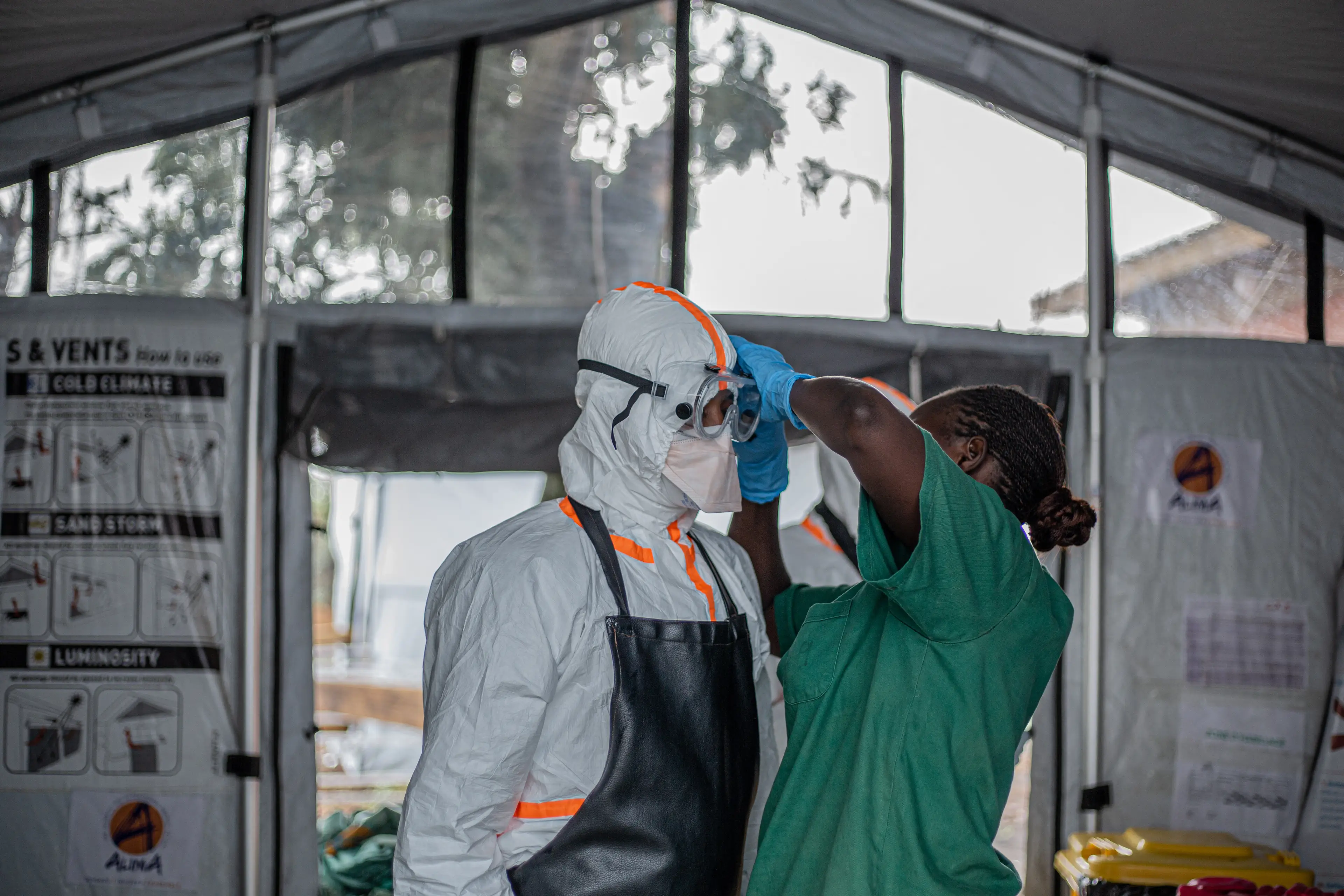
All travel to DRC is discouraged due to 'health, crime, unrest, terrorism, and kidnapping', while due to the Ebola outbreak in the country, 'US citizens and nationals who have been in the DRC within a 21-day period [are prevented] from boarding commercial flights into the United States'.
Meanwhile, US citizens should not travel to Libya 'due to crime, terrorism, unexploded landmines, civil unrest, kidnapping, and armed conflict'.
The State Department's website explains: "There is risk of terrorist violence, including terrorist attacks and other activity in Libya. Terrorist attacks could occur with little or no warning, targeting public spaces like tourist locations, hotels, transportation hubs, markets/shopping malls, and government facilities."
All 23 countries on the US' 'do not travel' list
- Afghanistan
- Belarus
- Burkina Faso
- Burma (Myanmar)
- Central African Republic
- Chad
- DRC
- Haiti
- Iran
- Iraq
- Lebanon
- Libya
- Mali
- Niger
- North Korea
- Russia
- Somalia
- South Sudan
- Sudan
- Syria
- Uganda
- Ukraine
- Yemen

What are the State Department's different advisory levels?
- Exercise normal precautions - The State Department's website explains that this is the lowest level for 'safety and security risks'. They go on to explain: "There is some risk in any international travel, and conditions in other countries may differ from those in the United States."
- Exercise increase caution - With these countries, it's advised passengers 'be aware of increased risks to safety and security'.
- Reconsider travel - "Reconsider your travel to the destination due to serious risks to safety and security," the US government says of this advisory level.
- Do not travel - US citizens advises travelers to 'not travel to the country, or leave as soon as it is safe to do so'. The government warns they 'may have very limited or no ability to help, including during an emergency'.
 Callum Jones