
unilad homepage
unilad homepage
    • News
      • UK News
      • US News
      • World News
      • Crime
      • Health
      • Money
      • Sport
      • Travel
    • Music
    • Technology
    • Film and TV
      • News
      • DC Comics
      • Disney
      • Marvel
      • Netflix
    • Celebrity
    • Politics
    • Advertise
    • Terms
    • Privacy & Cookies
    • LADbible Group
    • LADbible
    • SPORTbible
    • GAMINGbible
    • Tyla
    • UNILAD Tech
    • FOODbible
    • License Our Content
    • About Us & Contact
    • Jobs
    • Latest
    • Archive
    • Topics A-Z
    • Authors
    Facebook
    Instagram
    X
    Threads
    TikTok
    YouTube
    Submit Your Content
    First ever supercomputer simulation predicts when humans will become extinct

    Home> News

    Published 15:10 8 Nov 2024 GMT

    First ever supercomputer simulation predicts when humans will become extinct

    Oh great, apparently our time on Earth as a species is limited

    Gerrard Kaonga

    Gerrard Kaonga

    google discoverFollow us on Google Discover
    Featured Image Credit: Kirill Rudenko/DrPixel/Getty Images

    Topics: Science, Technology, Climate Change

    Gerrard Kaonga
    Gerrard Kaonga

    Gerrard is a Journalist at UNILAD and has dived headfirst into covering everything from breaking global stories to trending entertainment news. He has a bachelors in English Literature from Brunel University and has written across a number of different national and international publications. Most notably the Financial Times, Daily Express, Evening Standard and Newsweek.

    Advert

    Advert

    Advert

    While we might be aware of the short-term impacts of climate change, there is reason to believe the future could prove to be even more devastating.

    Obviously the future isn’t certain and all possibilities scientists can theorize over may not actually come to pass, but if by some miracle we manage to avoid complete nuclear war and the issues that it brings, there are plenty of other ways humanity can go extinct.

    Climate change might be the big one that eventually wipes us clean out as its impact become more severe as time passes.

    With the possibility of Mother Nature completely wiping us out, a supercomputer analyzed various pieces of data relating to the Earth’s climate, tectonic plates, ocean chemistry and biology to find out when the human race is likely to become wholly incapable of inhabiting our home planet.

    Advert
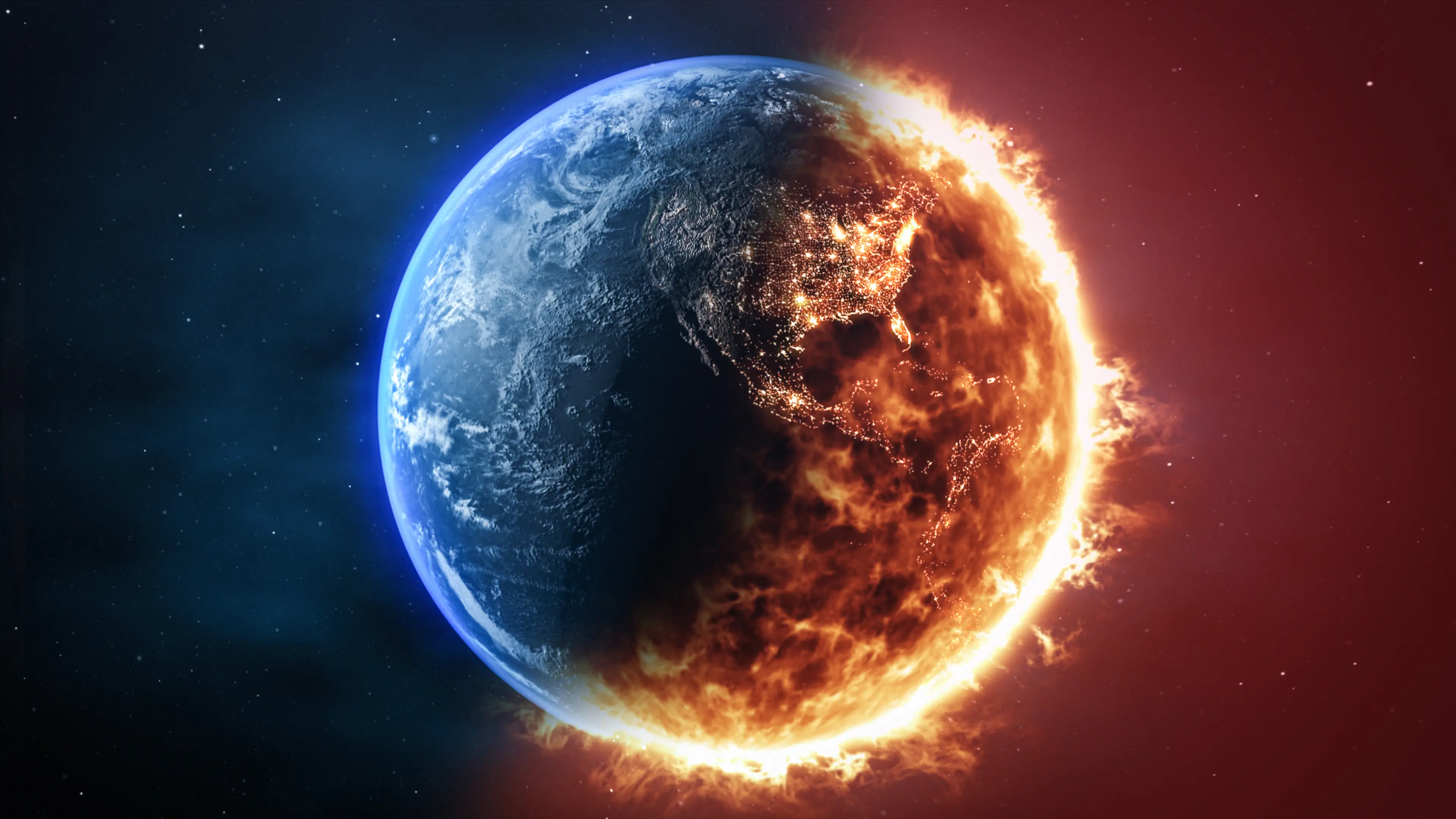
    Looks pretty hot to be fair... (Getty Stock Image)
    Looks pretty hot to be fair... (Getty Stock Image)

    The team from the University of Bristol conducted a study that explored how the world would look vastly different to how it is now - and luckily, it’s quite a way away from the present day.

    Due to the tectonic plates, continents would move all over the place and create a new supercontinent called Pangea Ultima.

    Dr Alexander Farnsworth said: “The newly-emerged supercontinent would effectively create a triple whammy, comprising the continentality effect, hotter sun and more CO2 in the atmosphere, of increasing heat for much of the planet.

    “The result is a mostly hostile environment devoid of food and water sources for mammals.

    “Widespread temperatures of between 40 to 50 degrees Celsius, and even greater daily extremes, compounded by high levels of humidity would ultimately seal our fate.

    “Humans - along with many other species - would expire due to their inability to shed this heat through sweat, cooling their bodies.”

    Only eight to 16 percent of the land would be habitable for mammals when this supercontinent forms and humans would seriously struggle to adapt to the new climate extremes.
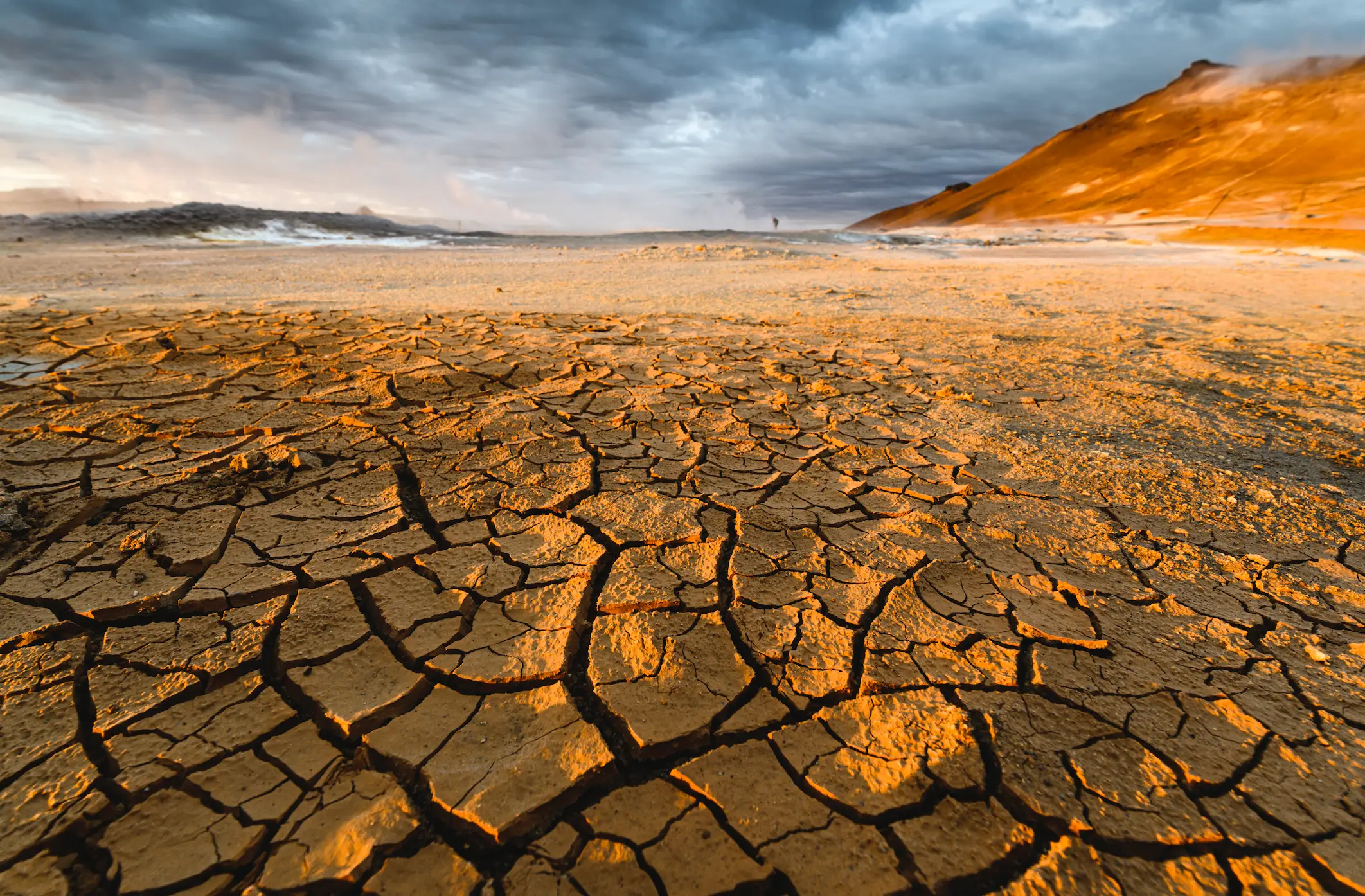
    A warming planet could prove disastrous (Getty Stock Image)
    A warming planet could prove disastrous (Getty Stock Image)

    Volcanos would erupt more regularly and we'd also be battling a brighter sun that would be dishing out some serious rays our way.

    But you need not fear as this doomsday scenario isn't forecast to happen for another 250 million years.

    The people behind the research believe this should still act as a warning sign for humans to address climate change.

    Study co-author Dr Eunice Lo said: “It is vitally important not to lose sight of our current Climate Crisis, which is a result of human emissions of greenhouse gases.

    “While we are predicting an uninhabitable planet in 250 million years, today we are already experiencing extreme heat that is detrimental to human health.

    “This is why it is crucial to reach net-zero emissions as soon as possible.”

    Choose your content:

    5 hours ago
    6 hours ago
    • ANDREW CABALLERO-REYNOLDS/AFP via Getty Images
      5 hours ago

      America's national debt is now bigger than the entire economy for the first time since WWII

      President Trump says the economy is doing great - but these figures tell a very different story

      News
    • Alex Wong/Getty Images
      5 hours ago

      Pokémon fans just spotted a clue there's a new monster inspired by Barack Obama

      Pokémon fans have bought together a hidden clue: A real-life sea slug and a former US president

      News
    • WREG
      5 hours ago

      Activist trying to infiltrate Epstein's island claims he was hogtied by locals in violent altercation

      Benjamin Owen is the founder of We Fight Monsters, a non-profit organization based in Memphis

      News
    • 4th Judicial Circuit of Florida Courthouse via ProPublica
      6 hours ago

      Pregnant woman speaks out after being forced to be on zoom court call while she was in labor

      The case has reignited debate over whether pregnant women have rights over their own bodies

      News
    • Underwater drone discovers giant structures underneath antarctic ice before going missing
    • Scientists left seriously alarmed after world smashes through key barrier for first time in history
    • The five mass extinctions Earth has already experienced revealed in shocking simulation
    • Triathlon at 2024 Olympics could become duathlon for incredibly grim reason