Pregnant woman speaks out after being forced to be on zoom court call while she was in labor

Cherise Doyley, a professional birthing doula and mother of three from Jacksonville, arrived at the University of Florida Health Hospital in September 2024 after going into labor.
She told medical staff she wanted to try for a natural birth - but doctors pushed back, warning her of the risk of uterine rupture and insisted she should have a C-section instead.
Doyley, who had previously undergone C-sections, said she understood the risks but wanted to attempt a vaginal delivery first.
She already told doctors she accepted that the risk of rupture was less than 2%, and explained that her past surgeries had left her with serious complications.
Can pregnant women refuse medical treatment?
As per PEOPLE, what followed was almost too crazy to believe.
Advert
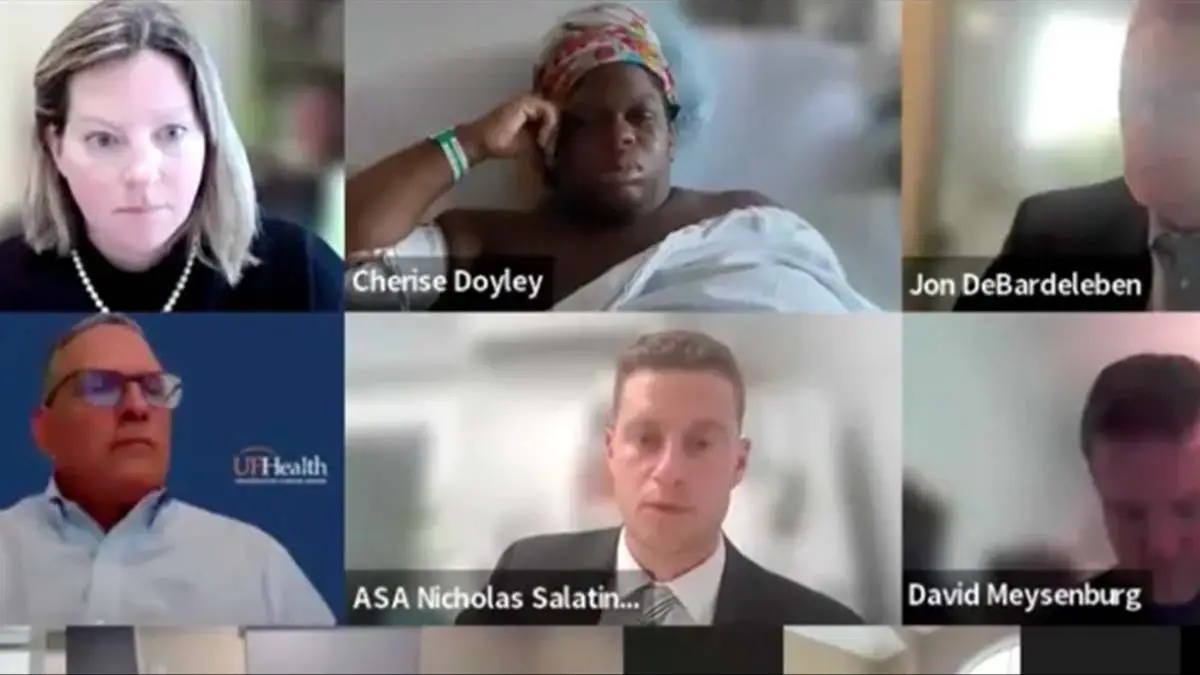
While Cherise was in the 12th hour of her labour, a nurse wheeled a tablet into her room.
On the screen was a full Zoom court hearing: a judge, multiple doctors, hospital lawyers and other staff.
Cherise was offered no legal representation.
"This was exactly when I found out that we were going to court," Cherise told ABC News.
"I was so afraid, I was confused. I did not know what was going on or what to expect."
Throughout the hearing, she repeatedly asked for a lawyer or a patient advocate. Neither was provided.
She was left to testify for herself from her hospital bed, mid-labor, against a room full of legal and medical professionals arguing that the state had filed an emergency petition to grant a C-section in the interest of her unborn child.
Despite the chaos of the birthing room, she was undeterred and determined to stand her ground.
Can a Hospital force you to have a C-section?
"I still have rights as an American citizen and as a patient that I am allowed to decide what goes on with me and my body and my baby," she said during the testimony.
"If it's between them choosing whether I have to live or the baby has to live, I did tell them I want to live. I have other children out here in the world that need me.
"And that is my right because at the end of the day, if I die from a C-section, nobody on this call is going to take care of my children."
After three hours of testimony, the judge declined to order an immediate C-section, but ruled that the hospital could perform the surgery without her consent if an emergency arose.
Overnight, doctors reported that the baby's heart rate had dropped, and Cherise was rushed into surgery.
Her daughter Arewa, now one, was born via C-section and taken to the Neonatal Intensive Care Unit (NICU).
Cherise said that she still feels violated by what happened.
She said: "When we use the courts to basically strong-arm, bully someone into an unnecessary medical procedure against their will, it's akin to torture in my eyes."
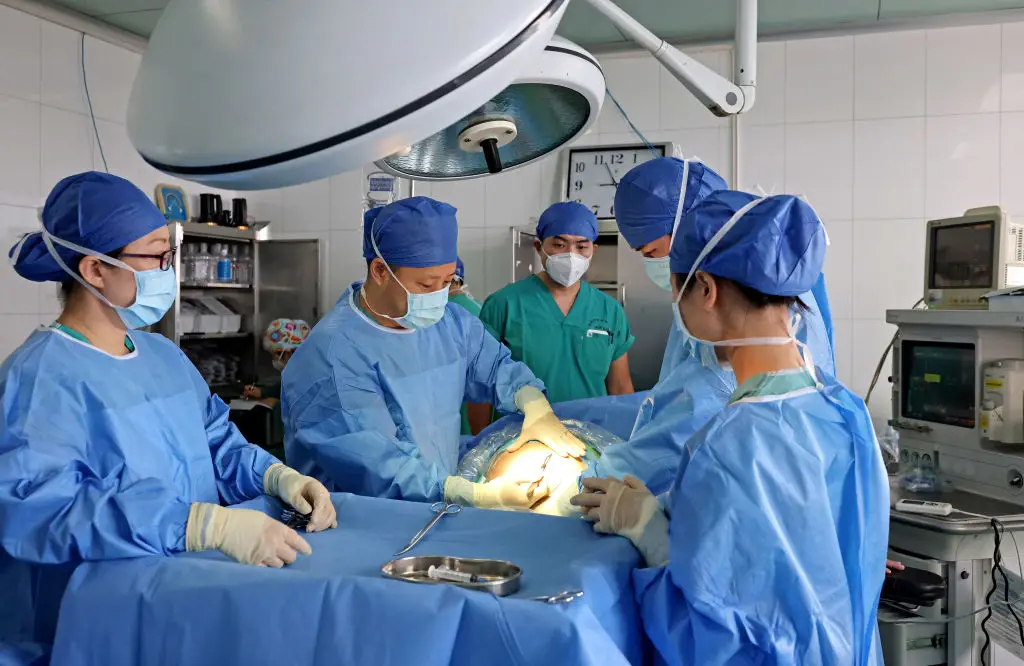
It's worth noting that while mentally competent patients generally have a legal right to refuse medical procedures, pregnant patients exist in a grey area.
In some US states, hospitals can seek a court order if a pregnant patient refuses a recommended intervention, on the grounds that the foetus has separate rights that must be considered, which is exactly what happened here.
The University of Florida Health Hospital has been approached for comment.
 Thomas Bamford