unilad homepage
unilad homepage
    • News
      • UK News
      • US News
      • World News
      • Crime
      • Health
      • Money
      • Sport
      • Travel
    • Music
    • Technology
    • Film and TV
      • News
      • DC Comics
      • Disney
      • Marvel
      • Netflix
    • Celebrity
    • Politics
    • Advertise
    • Terms
    • Privacy & Cookies
    • LADbible Group
    • LADbible
    • SPORTbible
    • GAMINGbible
    • Tyla
    • UNILAD Tech
    • FOODbible
    • License Our Content
    • About Us & Contact
    • Jobs
    • Latest
    • Archive
    • Topics A-Z
    • Authors
    Facebook
    Instagram
    X
    Threads
    TikTok
    YouTube
    Submit Your Content
    Omicron: Why You May Not Have Caught It Despite Living With People Who Have Tested Positive
    Home>News
    Updated 14:56 8 Feb 2022 GMTPublished 13:13 24 Jan 2022 GMT

    Omicron: Why You May Not Have Caught It Despite Living With People Who Have Tested Positive

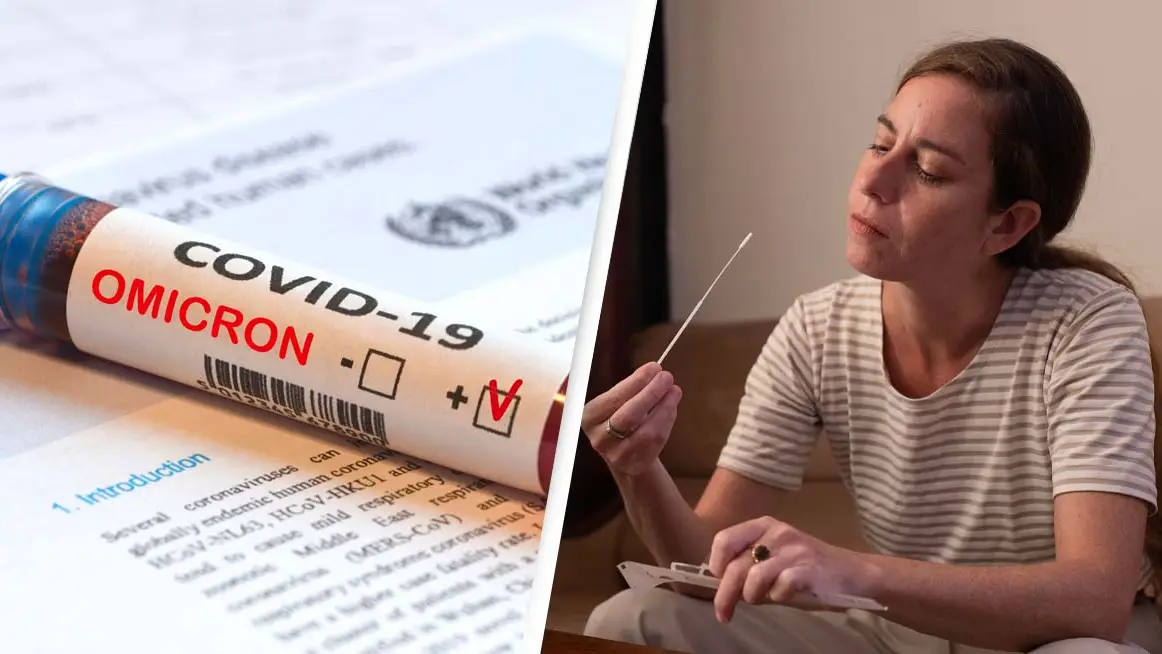
    While Omicron spreads faster than the original COVID-19 virus, living with someone who tests positive doesn't guarantee you will too.

    Cameron Frew

    Cameron Frew

    google discoverFollow us on Google Discover
    Featured Image Credit: Alamy

    Topics: Coronavirus, Health, World News

    Cameron Frew
    Cameron Frew

    Entertainment Editor at UNILAD. 2001: A Space Odyssey is the best film ever made, and Warrior is better than Rocky. That's all you need to know.

    X

    @frewfilm

    Advert

    Advert

    Advert

    Those who live together aren't guaranteed to test positive together. (Alamy)
    Those who live together aren't guaranteed to test positive together. (Alamy)

    Have you lived with someone with COVID-19 and managed to avoid catching it? There's actually a few reasons behind your luck, scientists have revealed.

    It's been nearly two years since the coronavirus pandemic took hold. At first, news of a friend or relative testing positive felt like a bit of a rarity - now, especially with the Omicron variant, it's become more common, with the UK recording 76,800 new cases in the most recent daily statistics, as well as 75 deaths.

    While most people have taken sensible precautions, as per government guidelines and restrictions, there's only so much one person can control, and even the most diligent can catch the virus. Yet, amazingly, people in their households aren't necessarily guaranteed to test positive as well.

    Advert
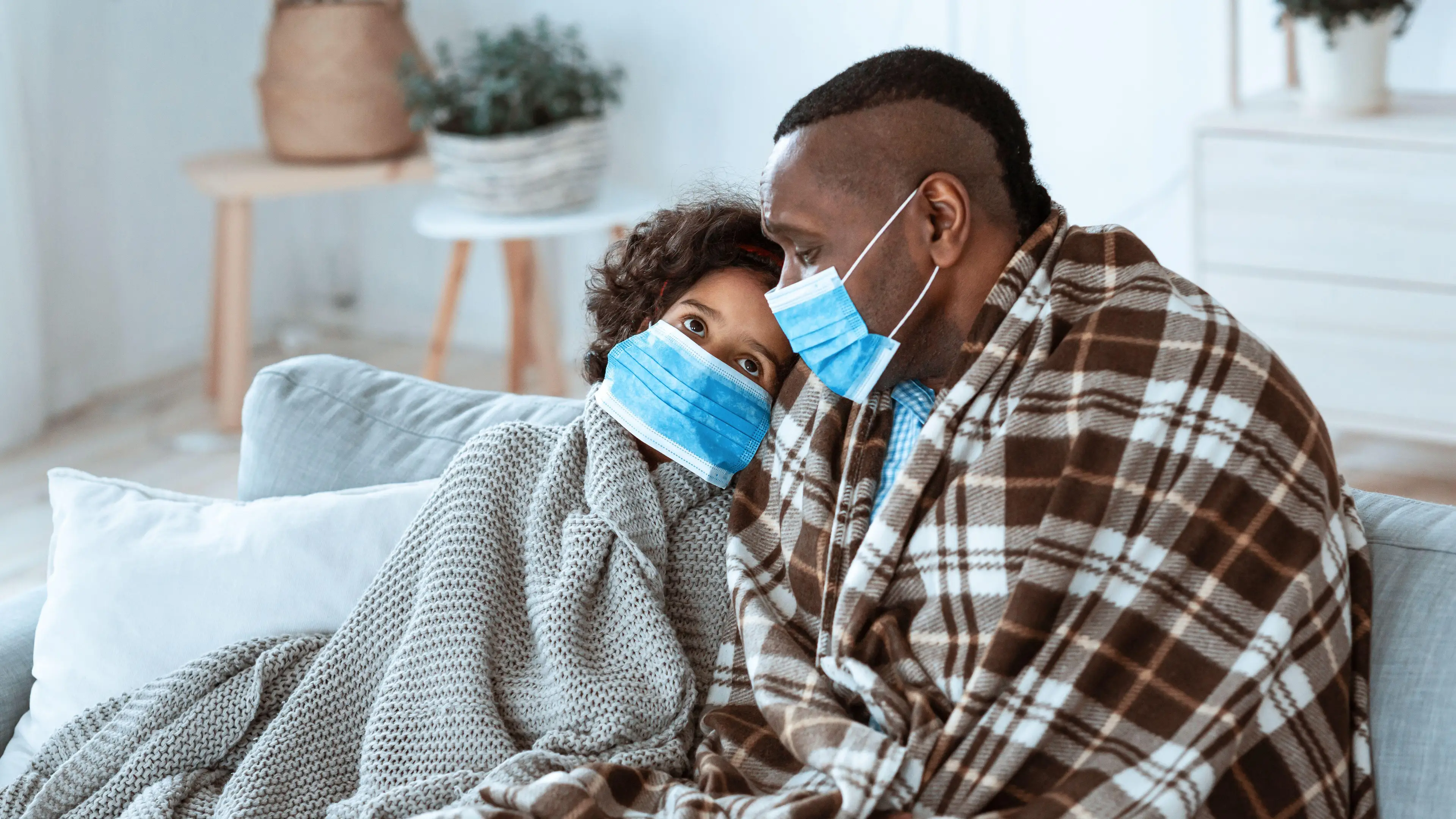
    Living with someone who's got COVID (Alamy)
    Living with someone who's got COVID (Alamy)

    I can offer my own experience: in October last year, my girlfriend caught COVID following a weekend away. She did a lateral flow and PCR test, both of which tested positive. As we live together, I did the same - and both came up negative. Over the course of her isolation period, I did regular lateral flows, expecting my positive test to be inevitable - but it never happened.

    Similarly, in January 2021, my dad tested positive for COVID while I was home for the holidays. Again, I never experienced any symptoms, nor have I ever tested positive for coronavirus over the course of the pandemic. There's always been a playful arrogance around it, but the question remains: how can the Omicron variant be so contagious, yet myself and many others manage to avoid it in such close proximity?

    Couples who live together won't always test positive together (Alamy)
    Couples who live together won't always test positive together (Alamy)

    Professor Tony Cunningham, an infectious diseases physician, clinical virologist and scientist from the University of Sydney, spoke to the NZ Herald about possible reasons for this strange scenario.

    'If there isn't spread in a family that is 100% it may be because of the levels of immunity of the person who's got it, so the virus has fallen off quickly, it may be the level of immunity in the person receiving it and that could be 'specific' because they're immunised or 'not specific' because they're just lucky enough to have the right genes,' he said.

    Those who are vaccinated, especially if you've had a booster dose, are more likely for the virus to 'fall off faster', Cunningham added.

    In October last year, an international team of scientists also launched a global search for people who appear to be innately resistant to COVID-19, having been around the virus for prolonged periods without catching it, to ascertain whether they have 'superpowered' genes.

    If you’ve been affected by coronavirus and want up to date advice, visit the Gov.uk help page here. If you need medical help call NHS 111 or visit online 

    Choose your content:

    6 hours ago
    8 hours ago
    • Schwartz/CNP/Bloomberg via Getty Images
      6 hours ago

      Trump gives $6.9 million contract to his 'pool guy' under 'urgent' exemption for DC revamp

      The Lincoln Memorial Reflecting Pool was recently renovated

      News
    • Getty Stock
      6 hours ago

      Why you shouldn't wash your hands in airplane bathrooms, according to experts

      Believe it or not, it has to do with practising proper hygiene while travelling

      News
    • Adair County Regional Jail
      6 hours ago

      Woman charged with child abuse after allegedly giving one-year-old son a tattoo

      Kentucky police discovered what appeared to be tattoo ink on the arm of a one-year-old boy after getting a child abuse complaint

      News
    • Andres Gutierrez/Anadolu via Getty Images
      8 hours ago

      List of countries linked to hantavirus as 'patient zero' identified as man who visited rat-infested landfill

      Passengers from at least 12 countries are reportedly being monitored

      News
    • Signs You May Have Already Had Covid Without Knowing
    • Omicron: Why Trying To Catch The Virus Is Not A Good Idea