Woman who nearly died taking fake Ozempic reveals what she noticed about the imitation drug

With expensive weight loss injections becoming commonplace across society, a number of unscrupulous organizations are attempting to take advantage of the many people trying to control their appetite by selling dangerous knock-offs.
One woman found this out to her own peril, nearly dying after purchasing a month's worth of cheap counterfeit 'Ozempic' that looked almost exactly like the real deal, except for one notable red flag.
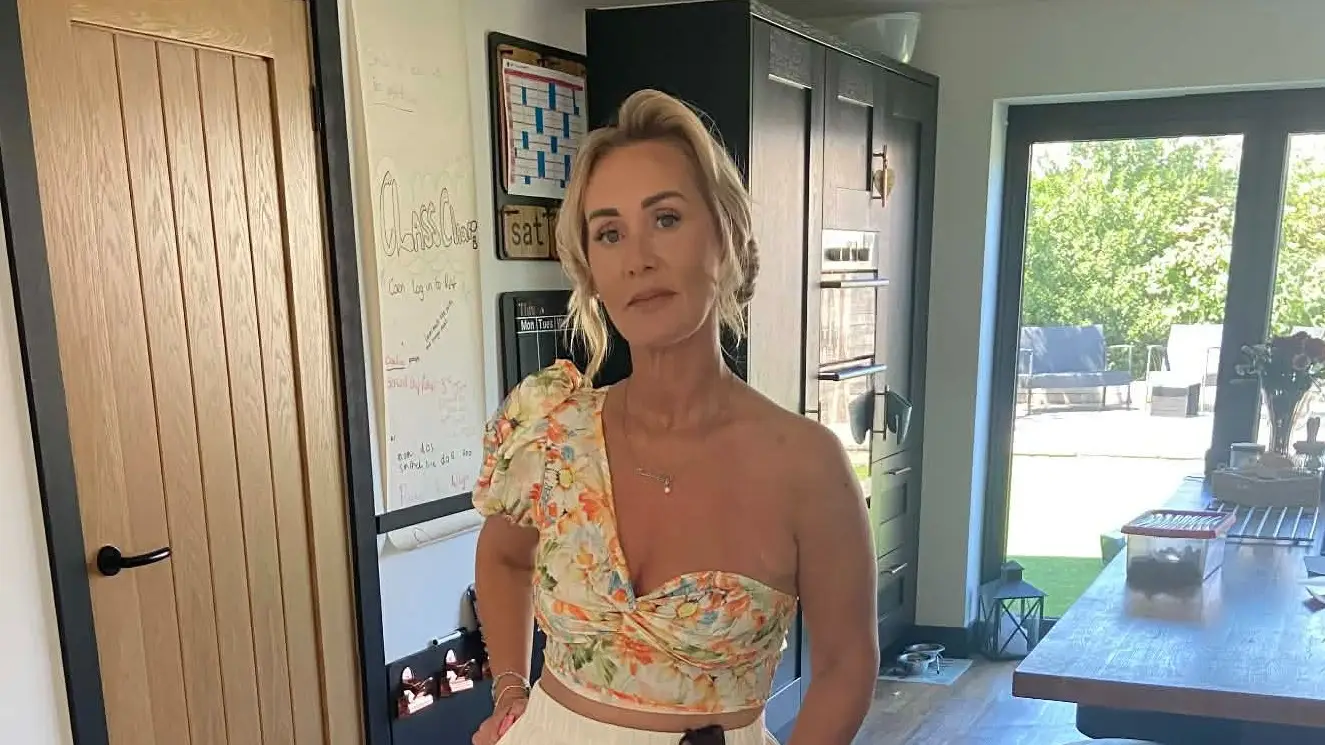
Michelle Sword, 47, was trying to boost her self confidence after her marriage of 20 years fell apart when she started taking the common weight loss medication, opting for Ozempic, which contains semaglutide, to help her drop a few dress sizes.
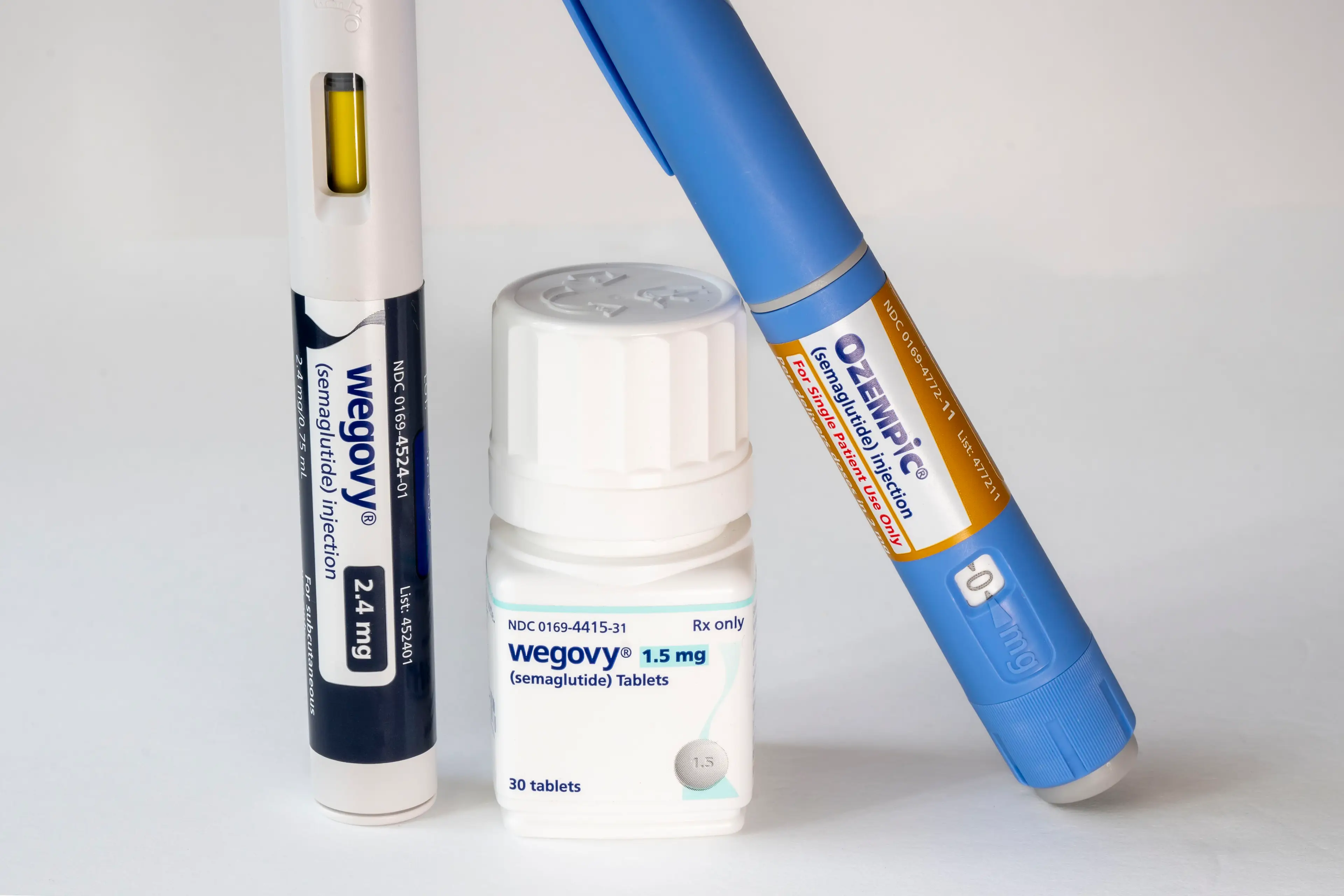
Semaglutide is the medicine that was initially developed to treat Type-2 diabetes by mimicking the hunger regulating hormone GLP-1, but has since taken the world of weight loss by storm.
Advert
"They came at a time when I really needed them," the mom-of-two said. "I’d always been a size eight to 10, but the weight had been slowly creeping on as I turned to comfort eating.
"I no longer recognised myself in the mirror."
The 47-year-old Brit's initial course of Ozempic in 2020, which she paid for herself, saw her lose two stone and begin to return to the dress size she was before her marriage broke down.
This left the school receptionist 'ecstatic' after reaching her target weight with relative ease thanks to the Novo Nordisk-made drug, which is sold under the brand name Wegovy when it is used for weight loss rather than to treat diabetes.
But as many users of these groundbreaking diet-regulating drugs have experienced, despite initially maintaining her new physique through exercise, Sword noticed in the summer of 2023 that the pounds had started creeping back as a result of 'bad eating habits'.
Having a shorter stature than most, the mom felt that her weight gain 'really showed' on her frame and looked once again to drugs like Ozempic.
However, with demand increasing and GLP-1 drugs becoming both expensive and hard to acquire, Sword made an almost fatal mistake.
When she saw on social media that a company was shifting a month's worth of 'Ozempic' doses for about a third of the cost, Sword jumped at the opportunity.
She admitted: "I panicked and wanted a quick fix. I paid £150 ($203) through PayPal, and two days later got a month’s supply."
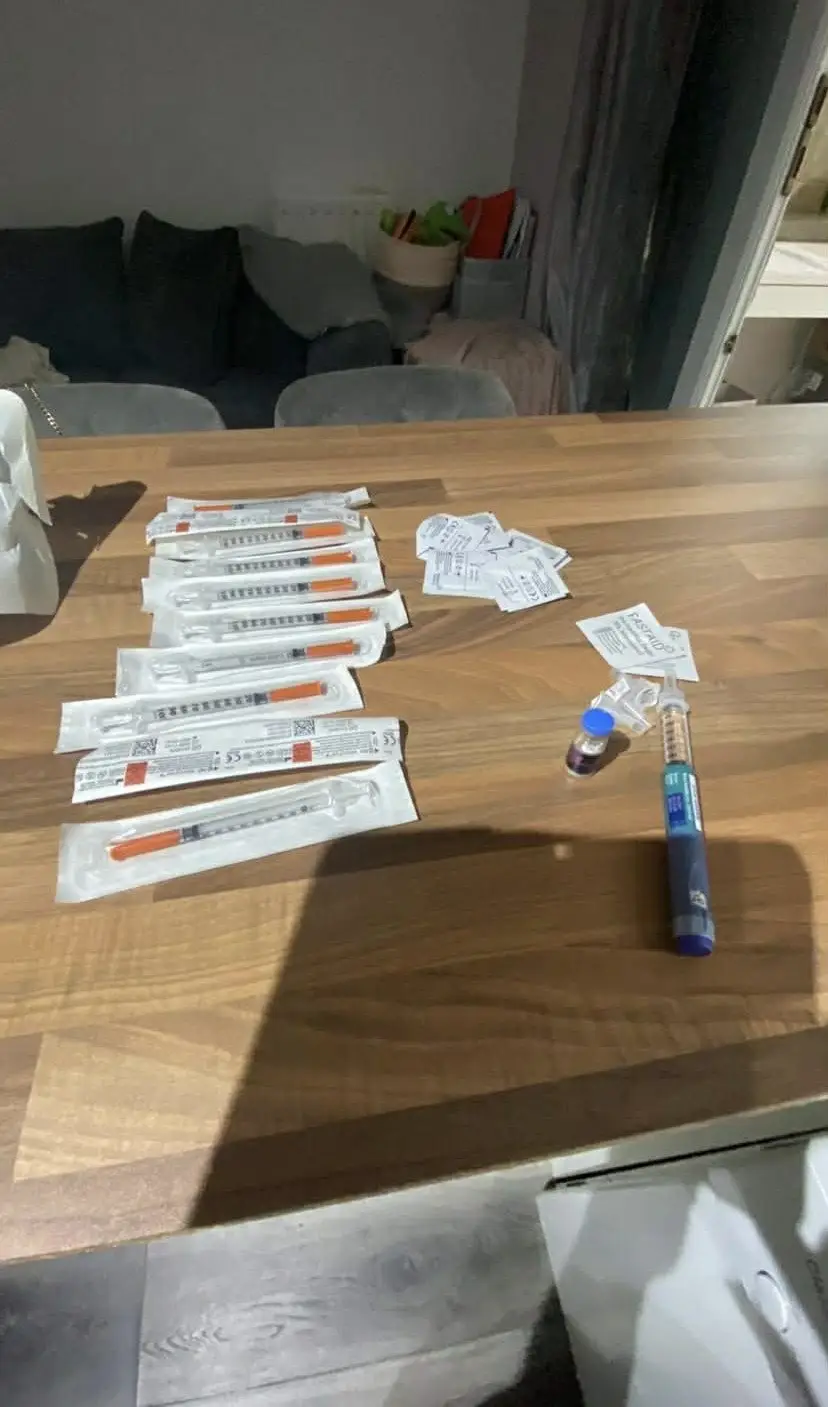
The Oxfordshire resident said these cheaper injections looked identical to the official ones she had purchased, with same blue plastic cover and Ozempic sticker as the real thing. But as she injected the drug, there was a clear sign that something was wrong.
"It just kept clicking. I didn’t really know what the dose was, so I just decided to stop after a few clicks," she said. "When I looked at the inside of the vial, the liquid didn’t seem to have gone down that far, so I remember thinking I might have to take some more later."
But instead of taking another dose, just 20 minutes later, 'everything went black' as she collapsed and could not be revived.
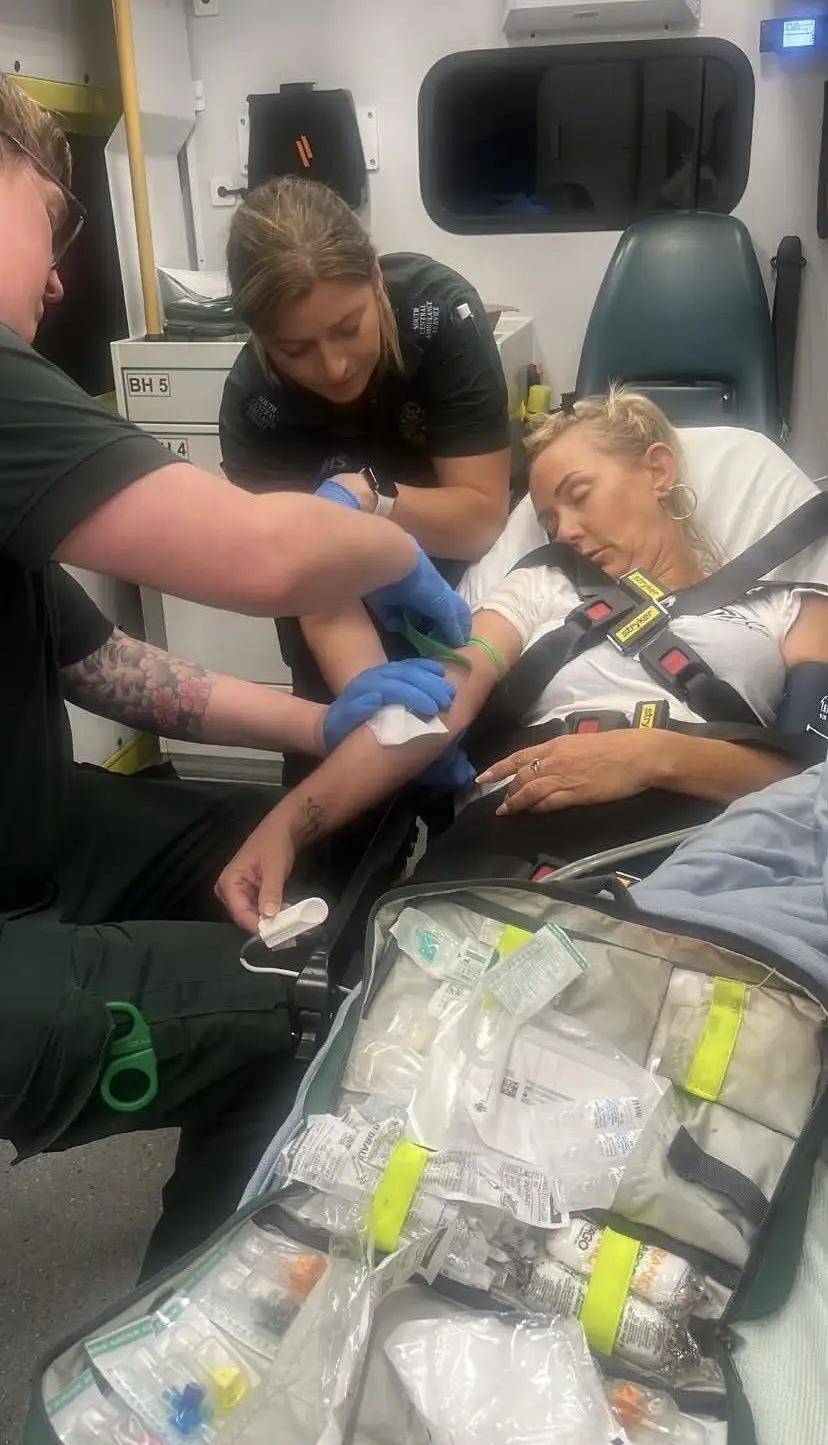
Thankfully, her 15-year-old daughter came home in time and called for an ambulance. Paramedics spent more than an hour trying to revive her before rushing her to hospital, where they found her blood sugar levels at 0.2 millimoles per liter.
"It should have been between four and seven," Sword explained. "I was virtually on the brink of death."
Sword later discovered that her fake 'Ozempic' jab had in fact been insulin, which had sent her into a dangerous diabetic coma that could have killed her, had her daughter not found her and called for help.
The mom-of-two has decided to share her story in the hopes that others will not make the same mistake, adding: "It’s absolutely disgusting there are people out there who prey on people’s insecurities.
"And it’s also not helpful that social media platforms endorse these fakes either — with pop up advertisements and links to websites."
She added that 'regulated weight loss medication always requires a prescription and if there are no eligibility checks, it's probably a scam,' and warned others that 'being skinny is not worth dying for.'
Ozempic manufacturer's response to knock-off drugs
Novo-Nordisk states on its website: "Patient safety is a top priority for Novo Nordisk and as counterfeits pose a real threat to safety, we are working in close collaboration with the Medicines and Healthcare products Regulatory Agency to identify and eliminate counterfeit drugs from the UK market."
"Every counterfeit case we are made aware of is looked into and reported to the authorities according to the applicable regulations. We also work with a third party specialised in monitoring and taking down of illegal online offers to specifically address this.
"Prescription-only medicines should only be obtained through legitimate sources and after consultation with a healthcare professional."
Topics: Drugs, Ozempic, Weight loss, Health
 William Morgan