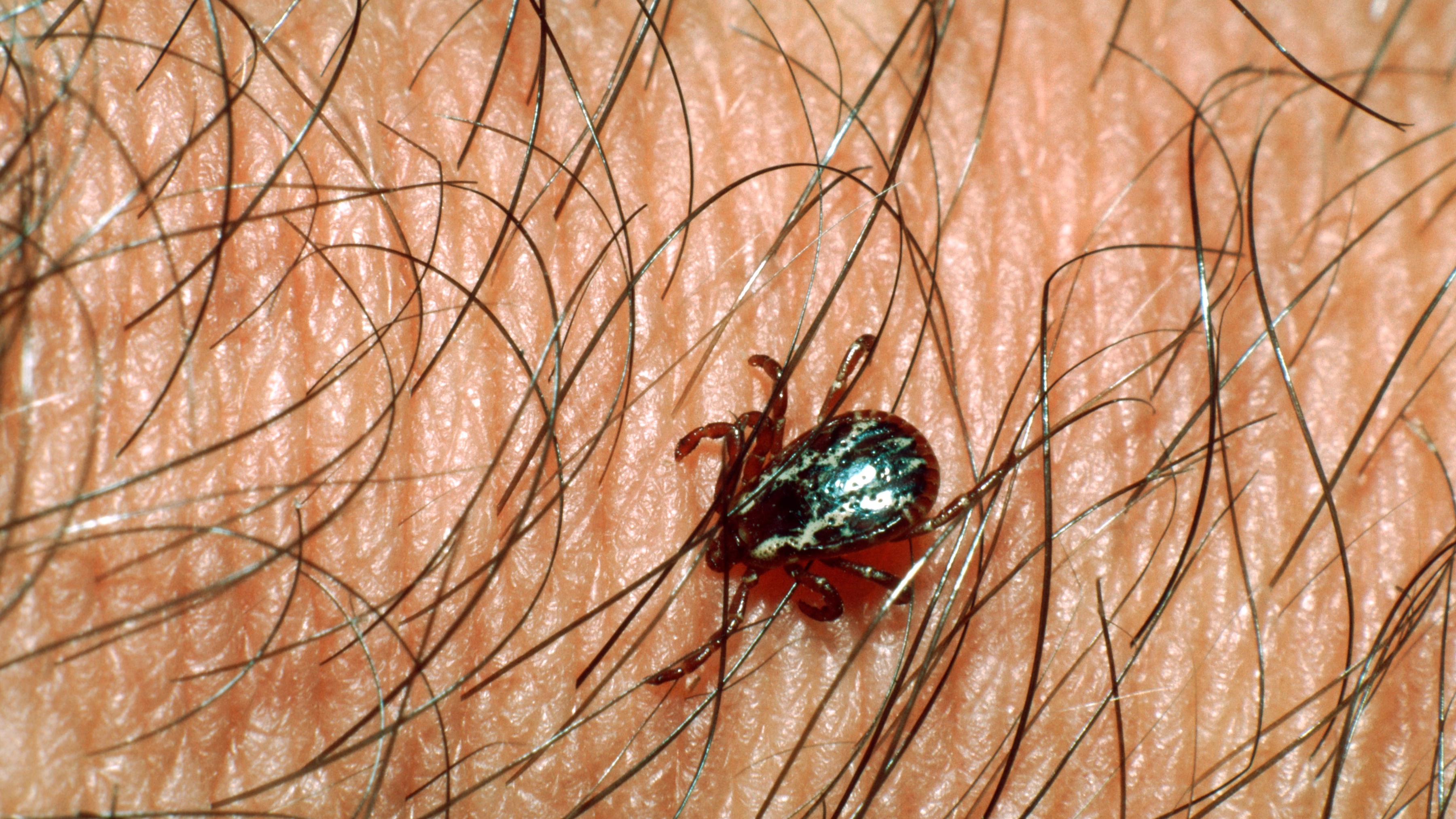
What to do if you find a tick bite as ER visits for them hit the highest level in nearly a decade

The weather is again getting warmer and people are venturing into the outdoors, but this brings with it again the danger of tick bites.
Ticks are parasitic arachnids that latch onto their host and drink its blood, dropping off when they swell to many times their original size with the blood.
A tick bite is not venomous in the sense of animals like rattlesnakes or spiders, but their bites do contain proteins which counteract defence mechanisms in their host and can cause a health condition called tick paralysis.
However, the main danger of ticks is that they are carriers of several diseases, including Lyme Disease, and a bite can lead to the host being infected with the condition.
Advert
While being bitten does not necessarily guarantee that someone will be infected, there is always a risk of infection.
Ticks are around all year round, but are particularly active during the warmer months, and bits also increase in this period as more people are out in the warmer and exposed to the risk of a tick bite.
If you are bitten, there is one counterintuitive thing that you should do if you are bitten.
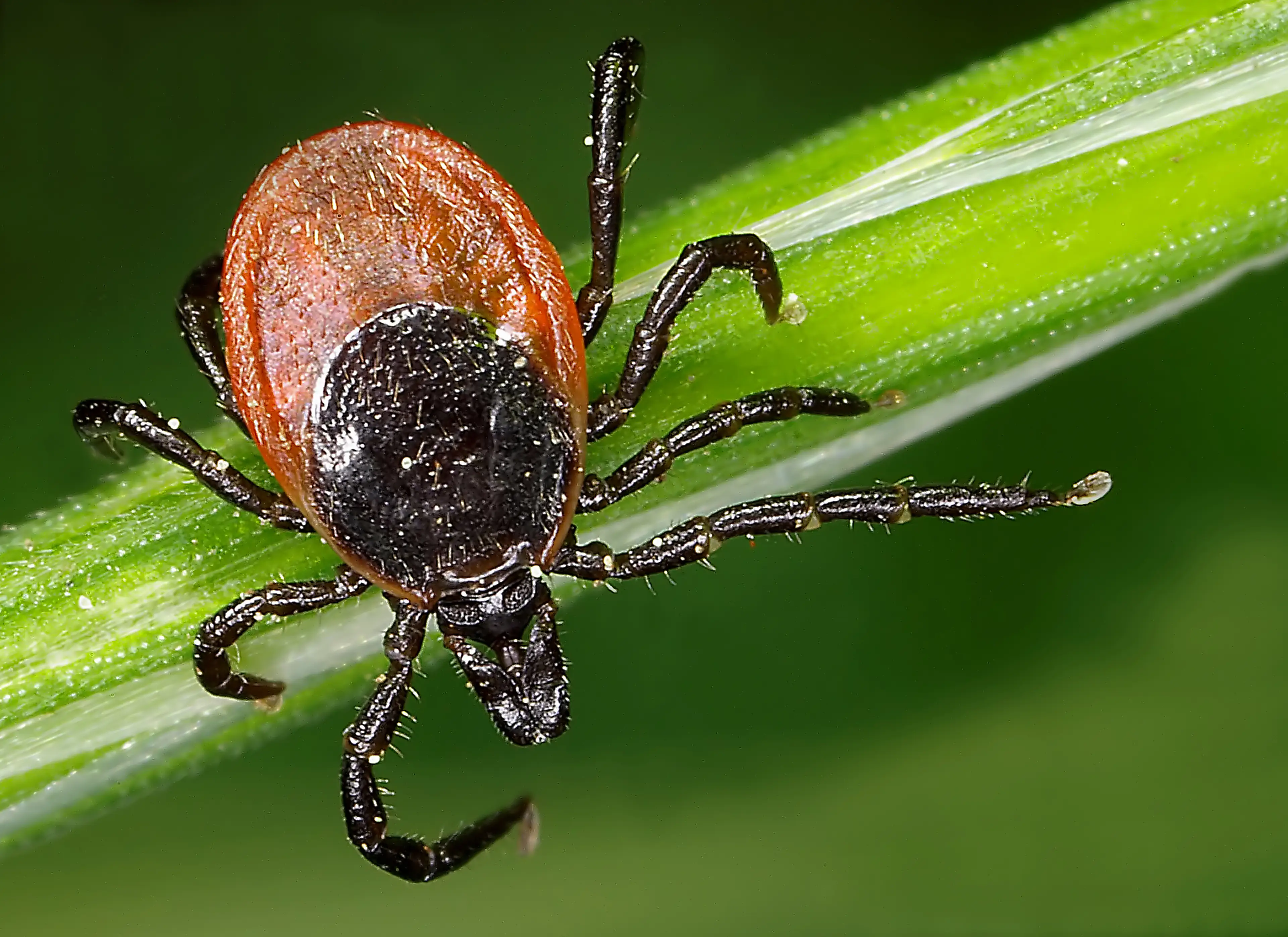
This is to keep the tick that bit you.
Understandably you may wish to get as far away from it as possible, but keeping the tick can provide doctors with valuable information.
That's because there are several different species of tick, and identifying which one bit you helps medics to get a picture of which complications you are more at risk of.
For example, blacklegged ticks are the species which are the highest risk for Lyme Disease, and are found in the eastern and southern US.
Meanwhile three species of tick, including the lone star tick, can cause an allergy in red meat which has previously been fatal.
So how can you keep your tick?
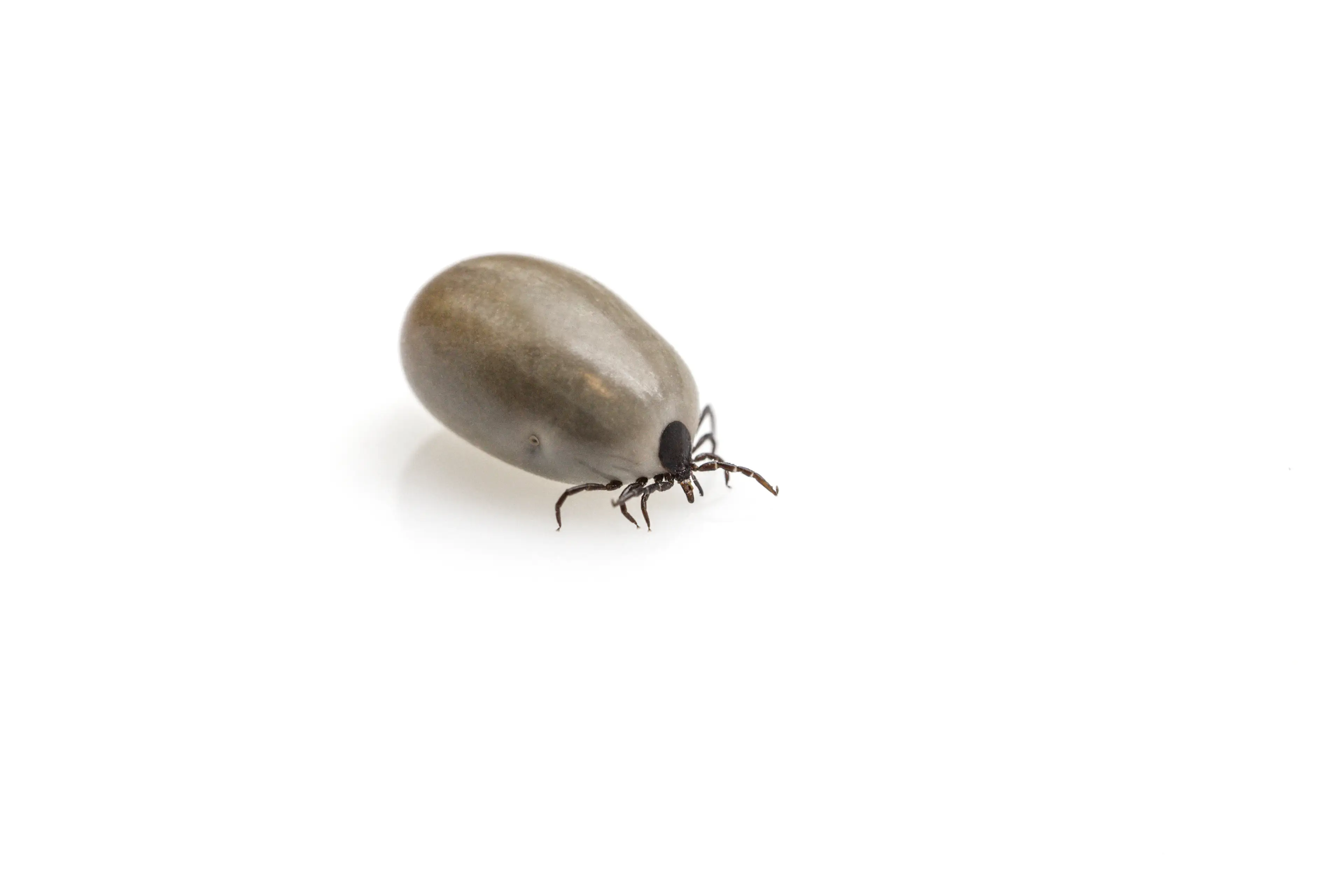
The first thing you need to do is to remove the tick as quickly as you can using a pair of tweezers.
The CDC advises getting the tweezers as close to the skin as you can before grasping the tick, and then pulling upwards with steady force.
When the tick comes loose, either put it in rubbing alcohol or a sealed container, and then clean the bite using either rubbing alcohol or soap and water.
Check the area that you are in, and if it's an area with a high risk of Lyme Disease see a doctor, and if not then check for 30 days to wait for any symptoms of Lyme Disease to appear.
According to the CDC, ER visits for tick bites have risen from the average number of around 30 per 100,000 up to 71 per 100,000 visits.
This may be an indication that ticks are more active than usual at this time of year.
Topics: News, World News, Animals, Health
 Kit Roberts