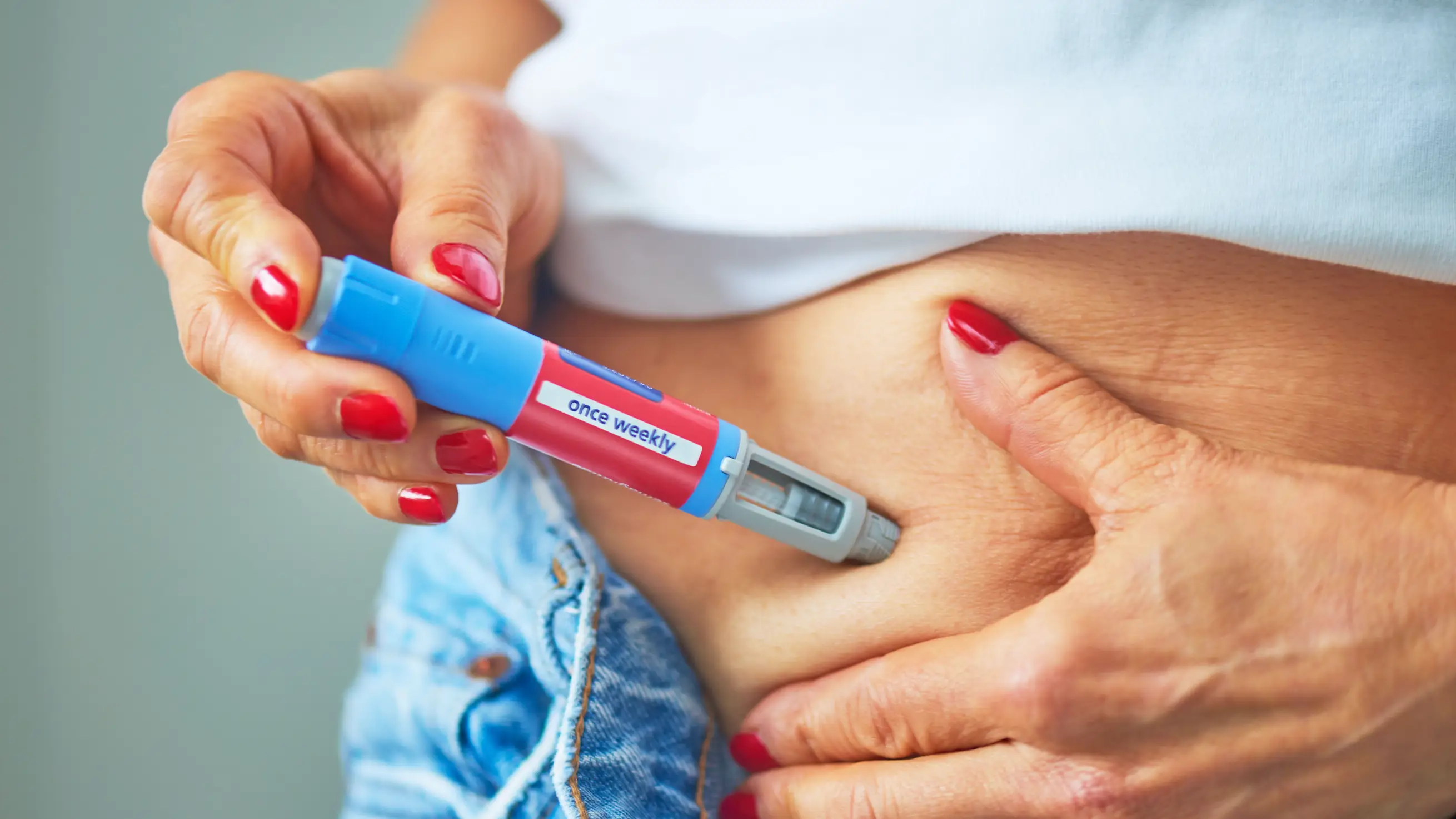
Type of 'GLP-1' fiber designed to make you eat less could soon be added to food

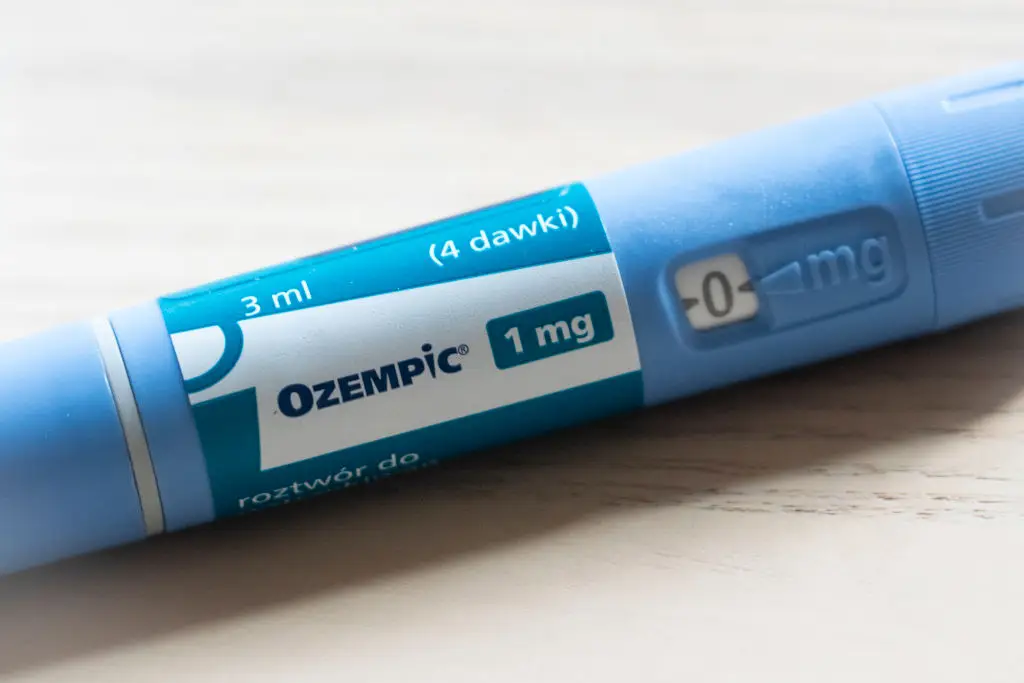
Ozempic, Wegovy, Mounjaro: if you've spent any time online over the past few years, chances are you've seen these names pop up more than a few times, and for good reason.
Millions of people across the US are now on some kind of weight loss medication, with the drugs working by mimicking hormones in the body that make you feel full and suppress your appetite.
But now, scientists reckon they've cracked a way to get a similar effect from something a whole lot more familiar, and it might already be sitting in your kitchen cupboard sooner than you think.
Researchers at Imperial College London and the University of Glasgow have developed a new form of dietary fiber called inulin-propionate ester, or IPE, which has just been given the green light by European food safety regulators to be added to everyday foods like breads, smoothies and cereals.
Advert
How does the 'food Ozempic' work?
The fiber works by delivering a short-chain fatty acid called propionate straight to the large intestine, where it triggers the release of hunger-reducing hormones including GLP-1, the same hormone targeted by weight loss jabs.
"We showed in a randomized-controlled trial in middle-aged people that when it's consumed daily, it prevents weight gain," said Gary Frost, one of the scientists behind the breakthrough at Imperial College London.
Normally, you'd need to eat around 80 grams of fiber a day to get enough of these fatty acids to trigger the hormone release, a near-impossible ask, given most people don't even hit the recommended 25 to 30 grams.
IPE gets the job done with just 10 grams.
How the new "food Ozempic" performed in trials
In a trial involving 60 overweight adults aged between 40 and 65, none of the participants taking IPE put on a significant amount of weight over six months, compared to 17 per cent of those who didn't take it.
A second, larger trial of 270 people aged 20 to 40 found no major difference in body weight, but those on IPE saw their fat-free mass increase by more than two pounds on average.
Douglas Morrison, from the University of Glasgow, explained that scientists had to get creative to make the fatty acid palatable in the first place. "Your only option is to stick a tube in from the top, or to stick a tube up from the bottom, and neither of these is particularly pleasant," he said.
Attaching propionate to inulin, a common carbohydrate already found in plenty of everyday foods, solved that problem entirely.
Most people won't even notice it's there. Frost says the vast majority of people can't taste added IPE at all, though a small percentage report picking up a faint bitter note.
With EU approval now secured after a 12-year process, researchers believe products containing IPE could hit European shelves within the next year, with a UK rollout expected to follow shortly after.
Not everyone's convinced the science is settled, though. Brendan Gabriel, from the University of Aberdeen, has pointed out that some of the trials involved relatively small sample sizes, and it's still unclear whether the added lean mass seen in younger participants was muscle or another kind of tissue entirely.
Topics: Ozempic, Weight loss
 Thomas Bamford