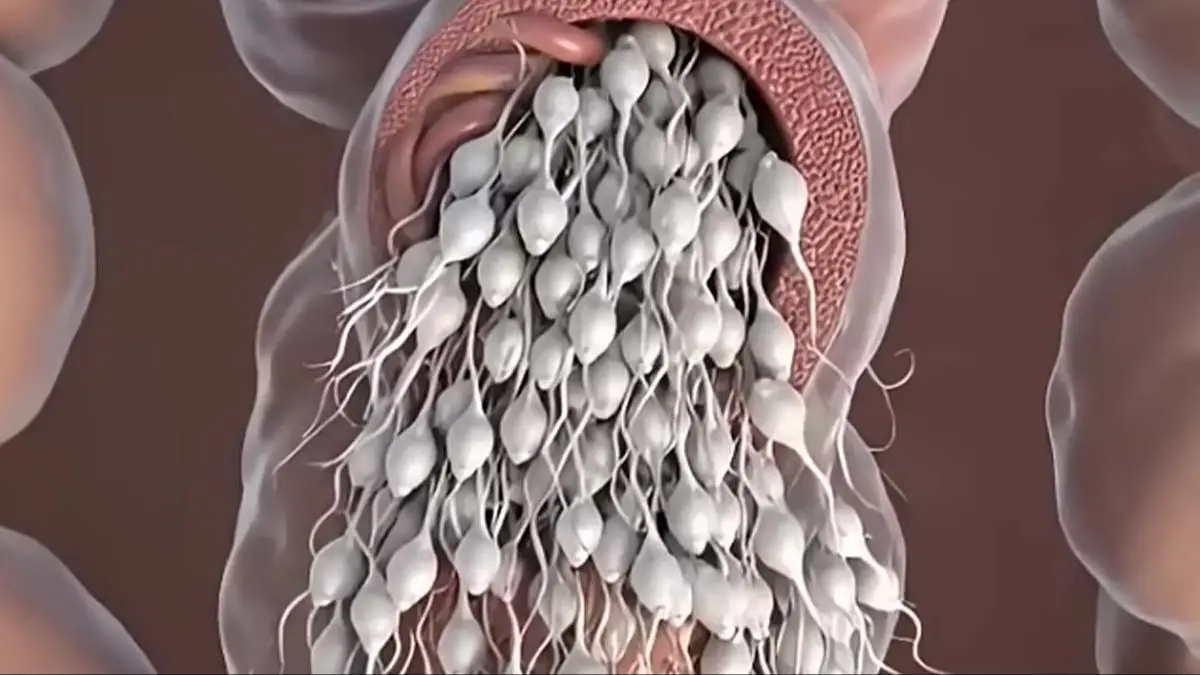
Shocking simulation shows what really happens to sperm inside body if not ejaculated

A video reveals the surprising thing a man's body does with old sperm cells when they're not ejaculated.
Men start producing sperm cells between the ages of 10 and 12 and continue to do so for the rest of their lives.
In each ejaculation, a healthy man is said to produce between two and five millilitres of semen every time, according to the Open University.
And that contains between 20 million and 300 million sperm cells. And these cells can take up to two and a half months to mature via a process called spermatogenesis.
Advert
Once they're ready to go, sperm wait in the epididymis – a tube that wraps around the testes.
When the body is ready to ejaculate, the sperm are mixed with fluid from the seminal vessels to create semen and head out into the world.
Sperm cells can live up to five days in a woman's body, but when they don't get expelled through sex or masturbation, something fascinating happens.

A scientific simulation has shown the exact process, with Dr Smurf on YouTube explaining what happens.
With a shelf life of a few months (around 74 to 76 days), like any product, sperm have an expiration date.
However, the video shows that when this happens to sperm, instead of going bad, it goes through a process of 'degeneration'.
When this happens, the sperm is broken down and reabsorbed into the epididymis, where its proteins are used to produce more sperm.
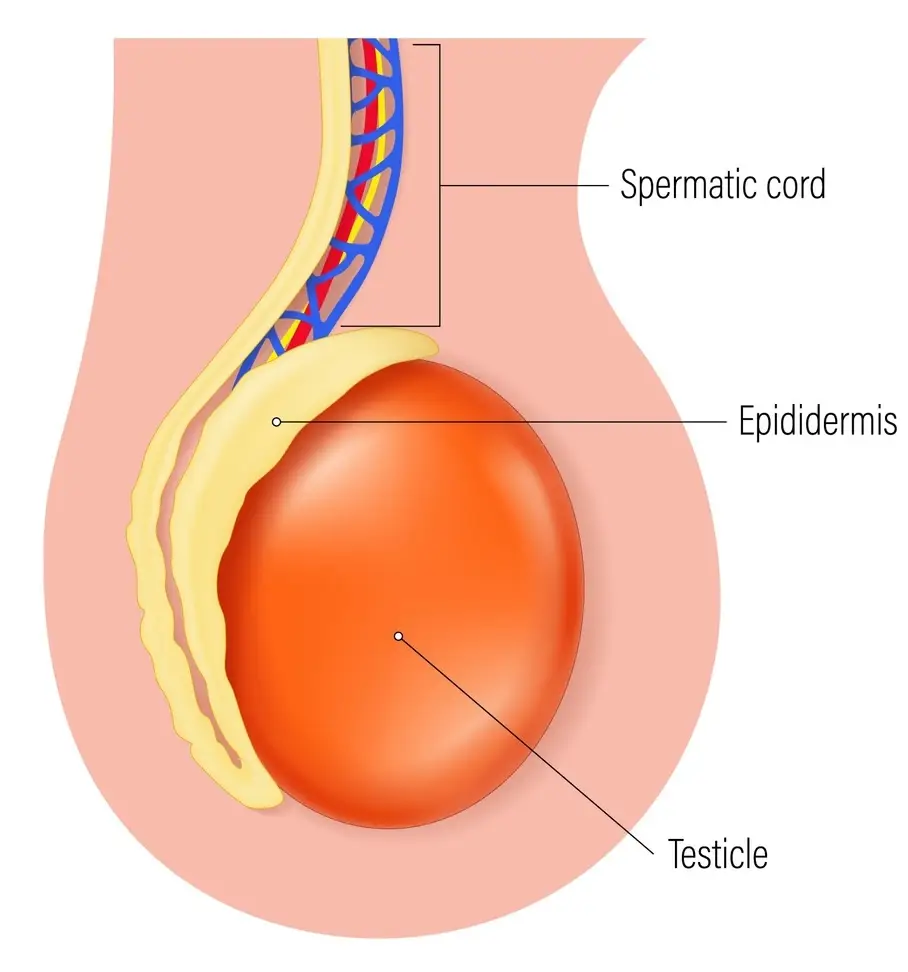
Sperm cells are made of structural components, like enzymes, zinc, and fructose. But if they aren't reabsorbed into the body, they are instead released through a 'wet dream', Medical News Today says.
Unfortunately, things don't always go to plan with sperm production.
Around one in 100 men don't produce any sperm in their ejaculate, a condition called azoospermia, Medical News Today also reports. And if you have fewer than 15 million sperm per millilitre of semen, which sounds like a lot but actually isn't, that's called oligospermia.
Some people even suffer from anejaculation, the inability to ejaculate, despite being able to orgasm and create sperm. Whether it occurs through a pelvic injury or another source, it can actually lead to infertility if not treated.
Then there's retrograde ejaculation, which is when, instead of leaving the body during orgasm, semen enters the bladder, resulting in cloudy urine and dry orgasms.
According to the Cleveland Clinic, many conditions can affect sperm production, including:
- Varicose veins (swollen veins in the scrotum)
- Testicular trauma
- STIs (chlamydia and gonorrhoea)
- Hypogonadism (low sex hormones)
- Hypothyroidism (thyroid production)
- Hyperprolactinemia (high levels of prolactin in the blood).
Environmental factors, such as smoking, drinking, and prolonged exposure to heat, can also affect sperm production.
However, there are others who choose not to ejaculate for specific reasons.
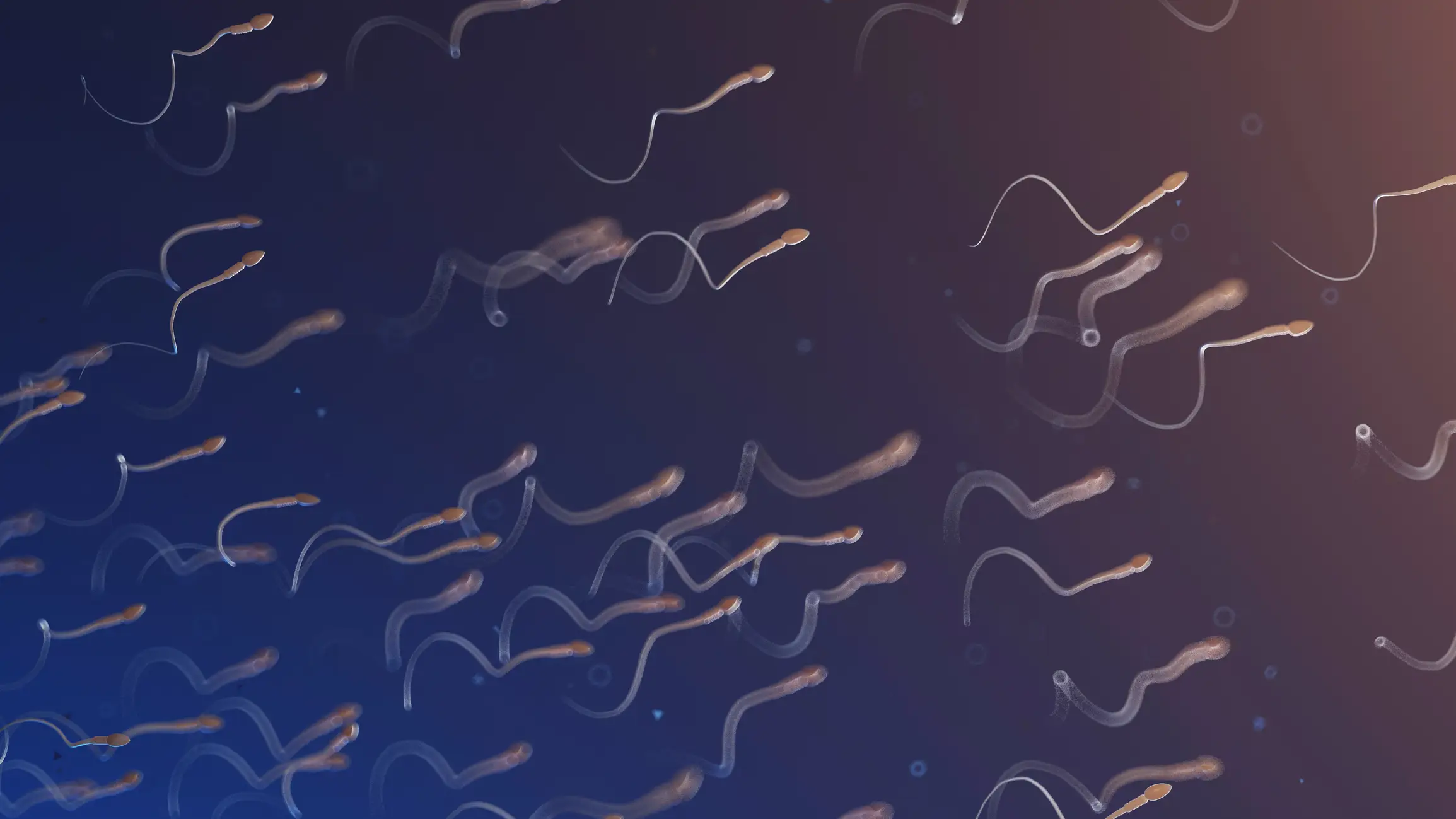
If you've been on the internet long enough, then the phrase 'No Nut November' will be a familiar one.
It is believed that a period of abstinence can improve sperm quality and increase testosterone; however, doctors have continuously dispelled this rumor.
A Harvard study also found that the risk of prostate cancer in men who ejaculated 21 times or more a month was 31 per cent lower.
"The results held up to rigorous statistical evaluation even after other lifestyle factors and the frequency of PSA testing were taken into account," the study said.
Topics: Sex and Relationships, Sex Education, Health, YouTube
 Britt Jones