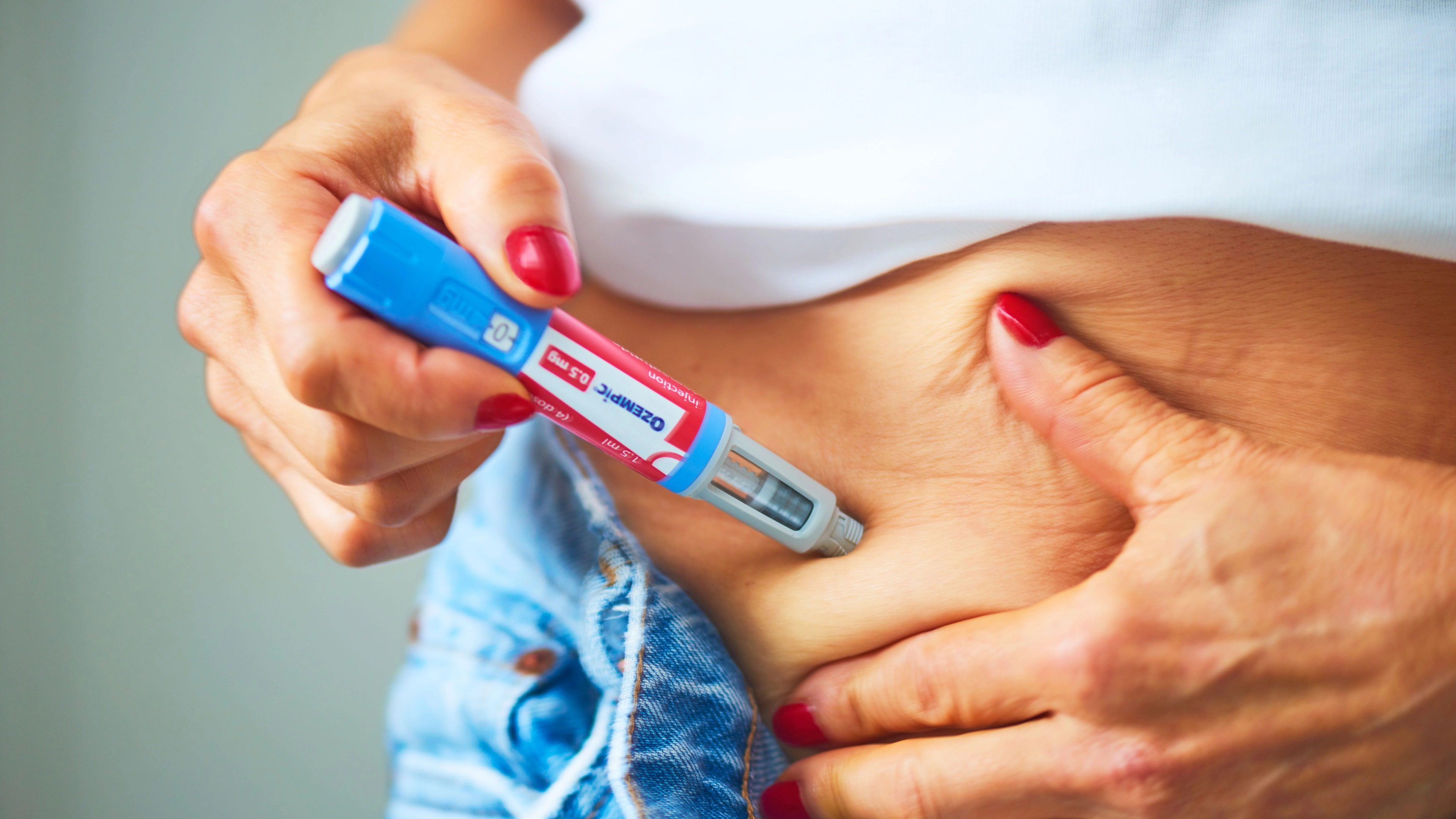
Two preventable GLP-1 mistakes linked to surge in poison control calls

Poison control centers across the United States have logged a dramatic rise in calls linked to GLP-1 medications, and researchers say the spike traces back to two avoidable dosing mistakes rather than deliberate misuse.
A study published in the Journal of Medical Toxicology found that calls involving GLP-1 drugs, most commonly semaglutide, climbed sharply after the FDA expanded approval of the medication for weight management in 2021.
Before that approval, poison centers typically fielded between 1,000 and 1,500 calls a year involving the drugs.
By 2023, that figure had shot past 8,000, with semaglutide responsible for the vast majority.
Advert
The research was led by Jordan Miller, who first spotted the pattern as an undergraduate student at UT San Antonio, alongside her mentor David Han.
The pair set out to establish whether the surge was simply a coincidence of timing or a genuine consequence of the drug reaching a much wider audience.
"When the GLP-1 drugs are being sold to diabetic patients, that's a completely different story versus when the drug is used for weight management," Han said to UT San Antonio today.
"So, we had to quantify this evidence to show that it stemmed from the FDA approval and how to contain the risk. We need to better educate the public because how this drug behaves in our body and its long-term safety are not yet fully understood."
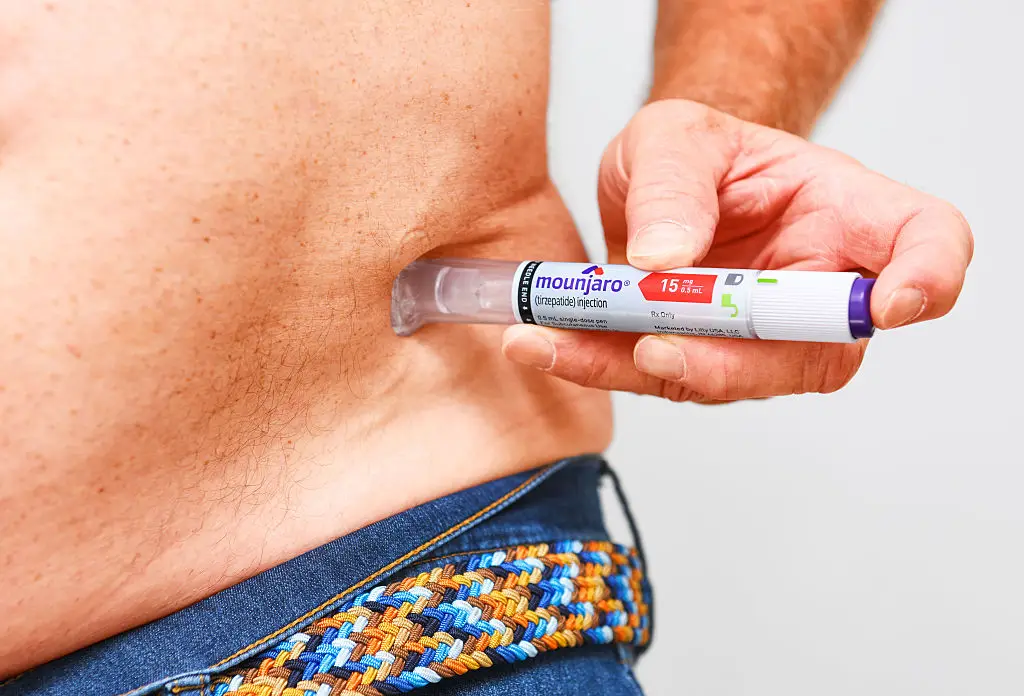
Why are people calling poison control about semaglutide?
The study found the majority of calls weren't the result of intentional overdoses.
Instead, they came down to two common dosing errors made by new users unfamiliar with the medication.
Semaglutide is designed to be injected once a week, but the researchers found many patients were mistakenly taking it every single day.
Others skipped the recommended gradual dose escalation entirely and jumped straight to the highest available dose, raising their risk of side effects and adverse reactions.
"Can you imagine something you're supposed to trickle up to, and you're going full blast and seven times more often than you're supposed to?" Miller said.
Researchers pointed to the drug's rapid jump from a niche diabetes treatment to a household name as the root of the confusion, with a wave of new, first-time users entering the picture largely unfamiliar with how the medication is supposed to be administered.
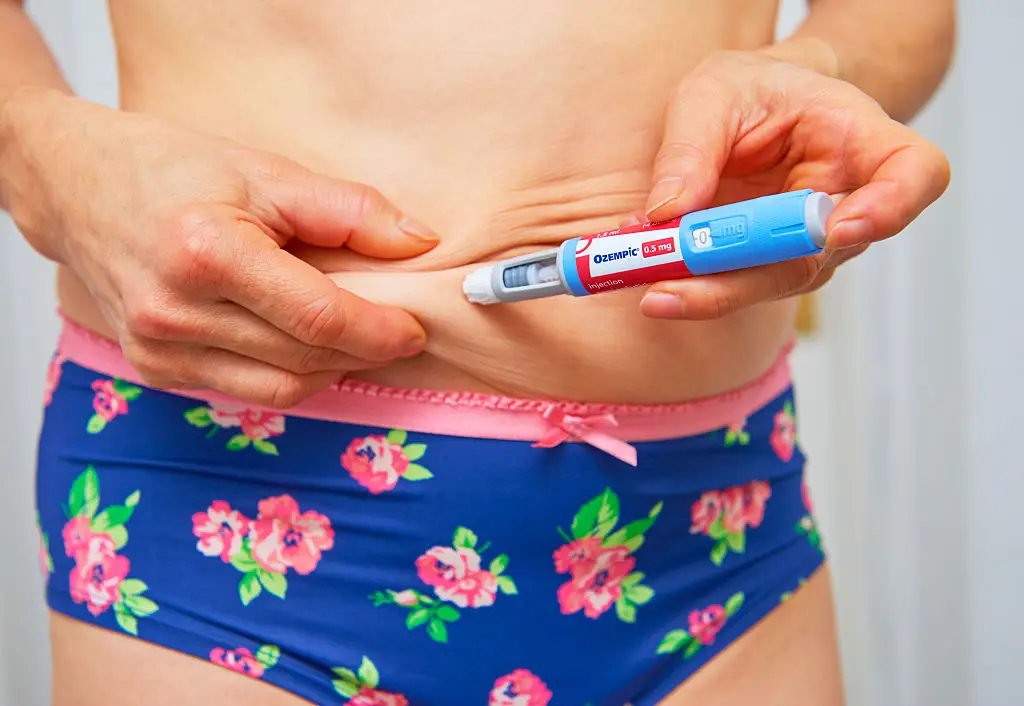
Could better education stop future semaglutide dosing errors?
Rather than calling for tighter restrictions on access to the drug, Han and Miller argue the fix lies in clearer communication before patients ever take their first dose. The team believes healthcare providers, pharmacists and manufacturers all have a role to play in making sure new users understand the correct dosing schedule from day one.
"This work demonstrates the quantified impact of these drugs on public health," Han said.
"Statistics, data science, analytics, machine learning, and AI are meant to help people.
"We use them to transform data from any field into meaningful insight and informed action. Without that focus, it becomes hollow, numbers without a real impact."
Unilad have approached Novo Nordisk for comment.
Topics: Weight loss, Health
 Thomas Bamford