Risk of prostate cancer increases by 45% in men who share common practice

The risk of developing prostate cancer almost doubles in men who skip out on one important thing.
Roughly one in eight men will be diagnosed with prostate cancer during their lifetime, according to the American Cancer Society.
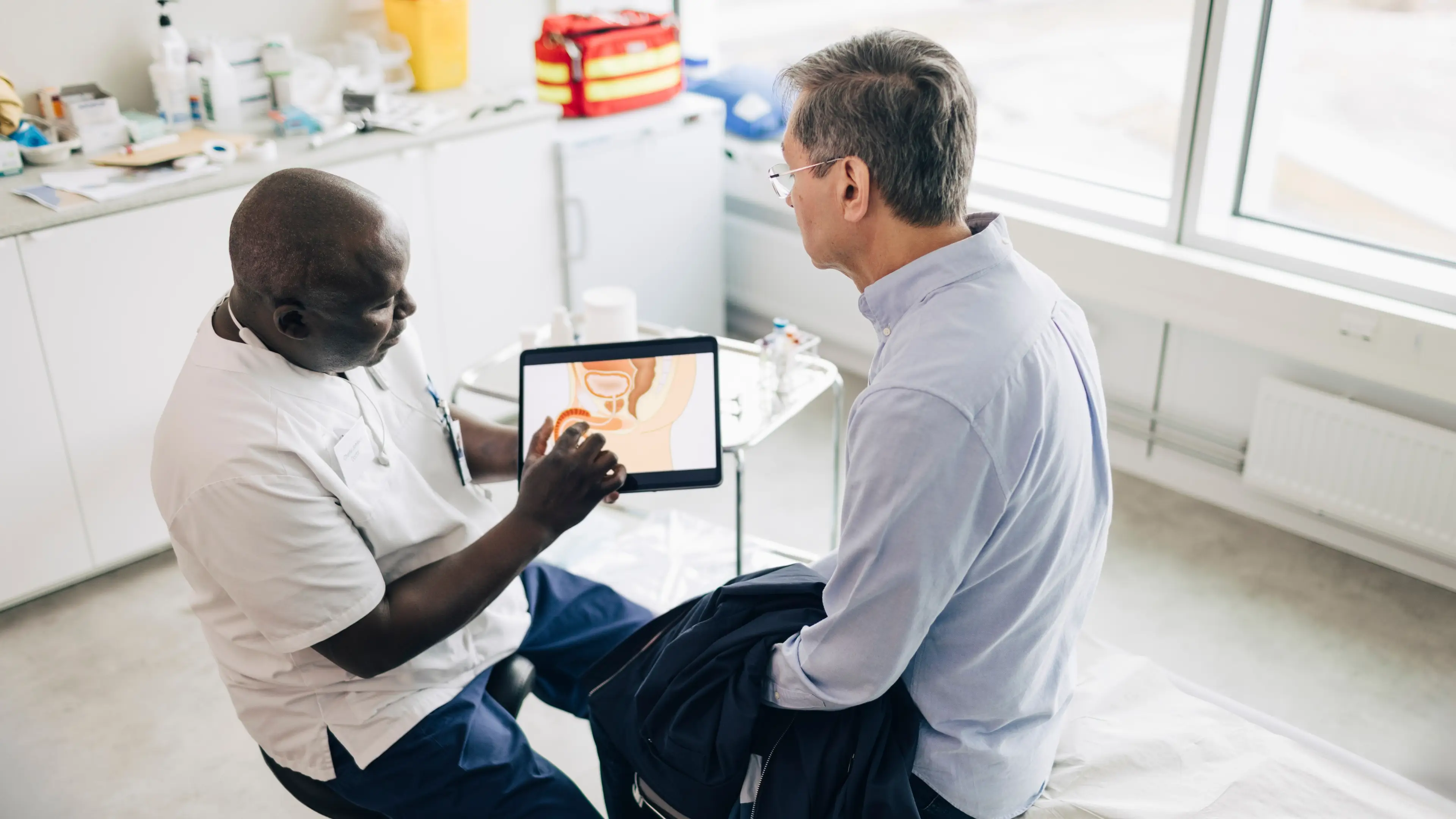
The prostate is part of the male reproductive system. The small gland, located just below the bladder and in front of the rectum, helps make the fluid part of semen.
Cancer of the prostate is usually slow-growing and found early. Most people diagnosed with it are cured, the Mayo Clinic highlights.
Advert
There are five main symptoms of early-stage prostate cancer to be aware of, the clinic explains.
These include blood in the urine, which might make the urine look pink, red or cola-colored, blood in the semen, needing to urinate more often, trouble getting started when trying to urinate and waking up to urinate more often at night.
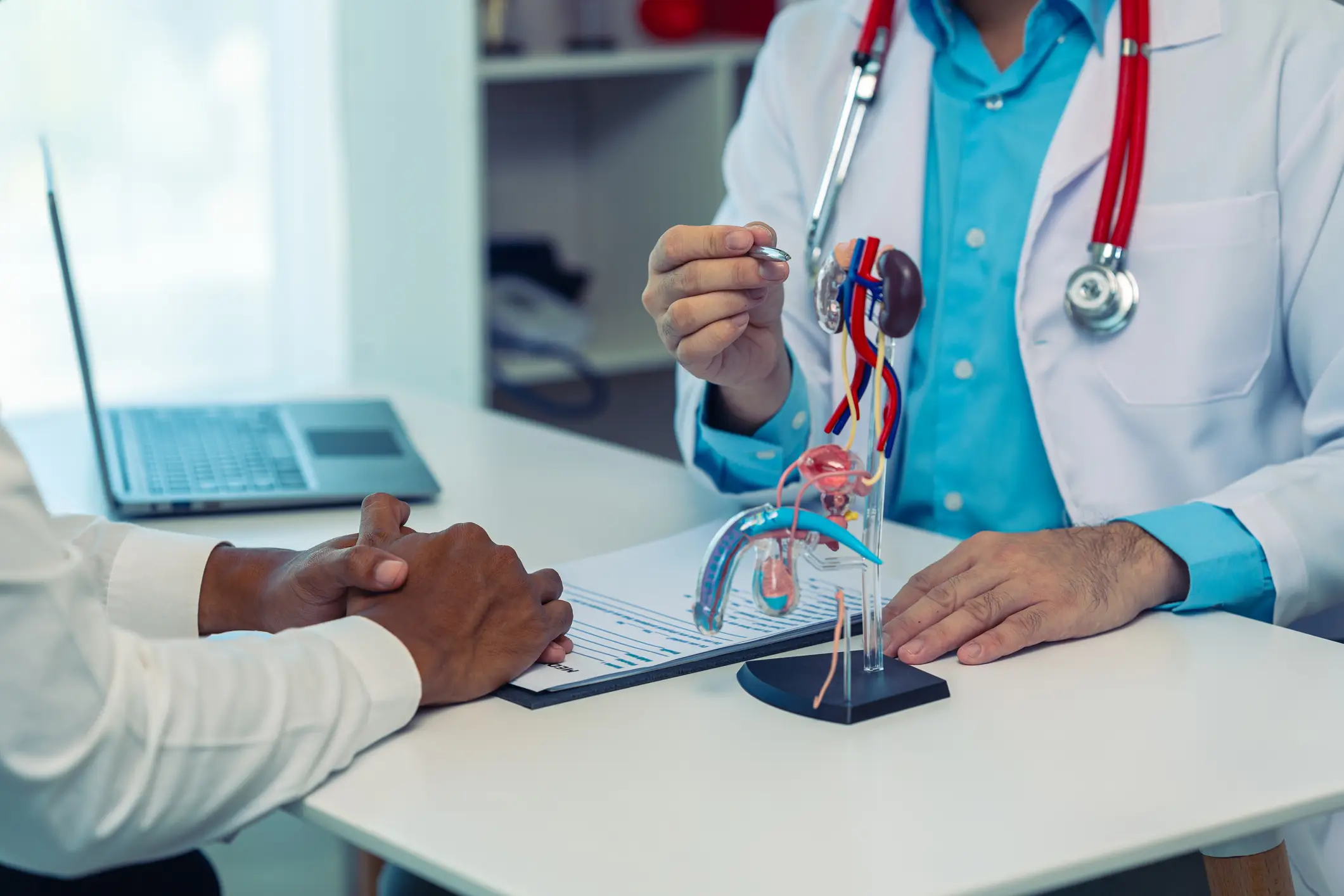
If the prostate cancer spreads, other symptoms might occur, including the accidental leaking of urine, back pain, bone pain and difficulty getting an erection (erectile dysfunction).
Feeling very tired, losing weight without trying and weakness in the arms or legs could also be signs.
Yet missing out on one particular thing could increase the risk of developing the cancer by 45 percent.
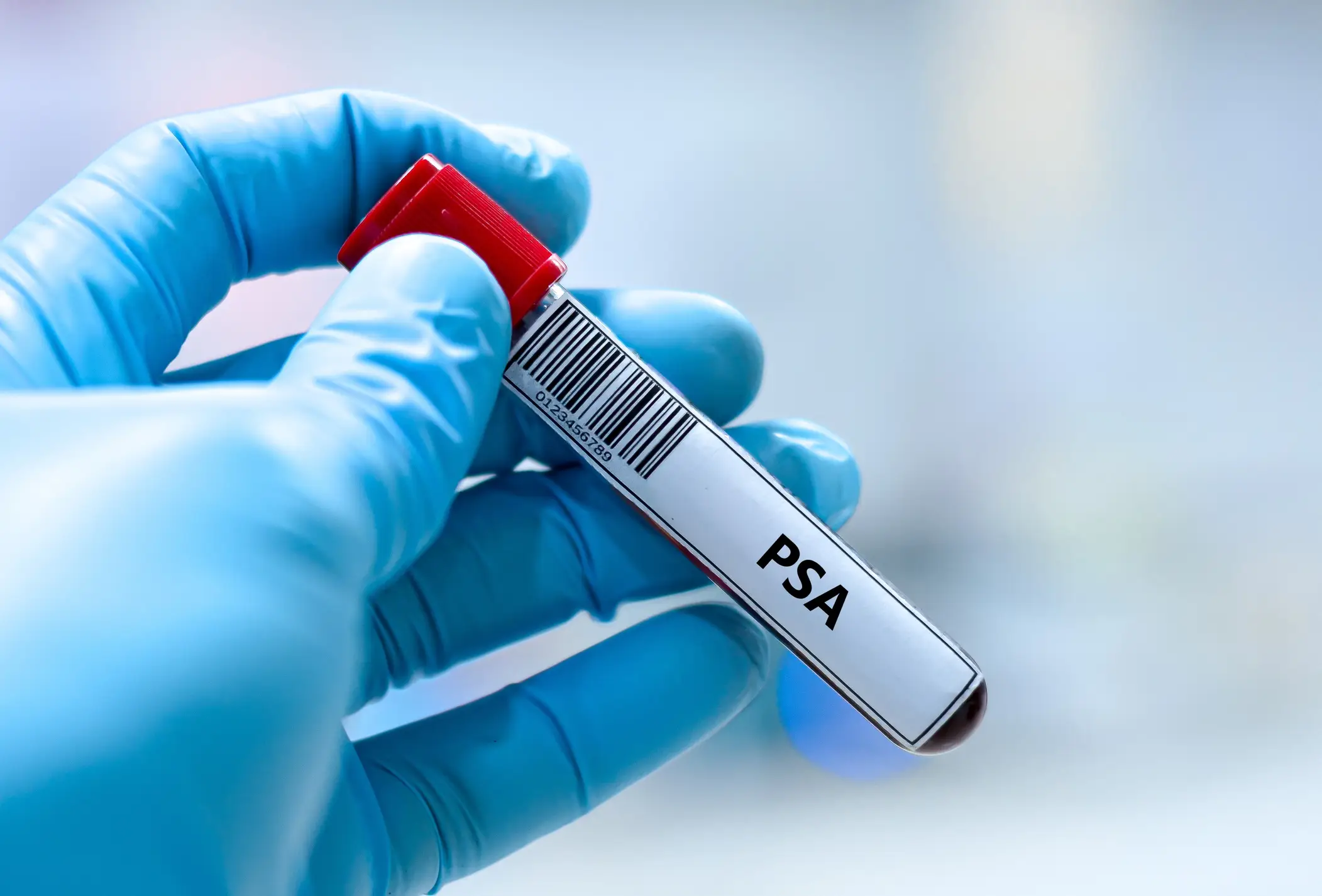
And that very thing is avoiding regular cancer screenings, particularly prostate-specific antigen (PSA) blood tests, which is a protein made by the prostate gland.
Everyone with a prostate has some PSA in their blood, but higher levels can be a sign that something isn’t right.
According to data from the European Randomised Study of Screening for Prostate Cancer (ERSPC), which collated information from seven countries across Europe for the past two decades in the world's largest prostate cancer screening study, the early detection would lead to a better chance of being cured - and prevent costly medical treatments.

The information consistently shows PSA screenings can reduce the risk of death from prostate cancer by 20 percent.
The research spanning the past two decades shows a link between the decline in people attending prostate screening consultations and men's risk of dying from it.
It exposes a 'stark contrast' in the dire consequences of avoiding screenings.
Scientists from Erasmus MC Cancer Institute at the University Medical Centre in the Netherlands led the analysis which involved 72,460 men.
Around one in six were deemed non-attenders, having missed every single appointment.
This put them at a 45 percent higher risk of dying from prostate cancer compared to those who showed up to their appointments.
Meanwhile, those who attended had a 23 percent lower risk of dying from prostate cancer and non-attenders had a 39 percent higher risk.
Explaining the discrepancy, lead study author, Renée Leenen, M.D., Ph.D., of the cancer institute in the Netherlands, said: "It may be that men who opted not to attend a screening appointment are care avoiders - meaning they’re less likely to engage in healthy behaviors and preventative care in general."
She added: "This is the opposite behavior of people who are perhaps more health-conscious and are more likely to attend a screening appointment."
Dr Leenen also said healthcare professionals need to 'better understand' who the men are and why they choose not to attend appointments.
"This will help us to design population-based prostate cancer screening programmes that encourage higher rates of informed participation. Tackling attendance rates in this way could be a big factor in the long-term success of a national prostate screening programme," she said.
The findings from the study are now scheduled to be presented at the European Association of Urology (EAU) Congress in Madrid, Spain.
If you’ve been affected by any of these issues and want to speak to someone in confidence, contact the American Cancer Society on 1-800-227-2345 or via their live chat feature, available 24/7 every day of the year.
 Ellie Kemp