
Expert shares what to do if you have tiny, itchy bumps on your hands

If you've ever noticed small, incredibly itchy blisters forming on your fingers or the palms of your hands, only to burst, flake, and then return a few weeks later like clockwork - you're not imagining things, and you're not alone.
The condition is called pompholyx, also known as dyshidrotic eczema, and it accounts for between 5% and 20% of all hand eczema cases. Most people who have it have never heard of it.
The cycle tends to go like this: tiny flesh-coloured bumps appear on the fingers or palms, itch intensely, sometimes leak fluid, then burst and leave the skin dry, scaly, and potentially cracked.
The whole process takes around two to three weeks before starting all over again roughly every six weeks.
Advert
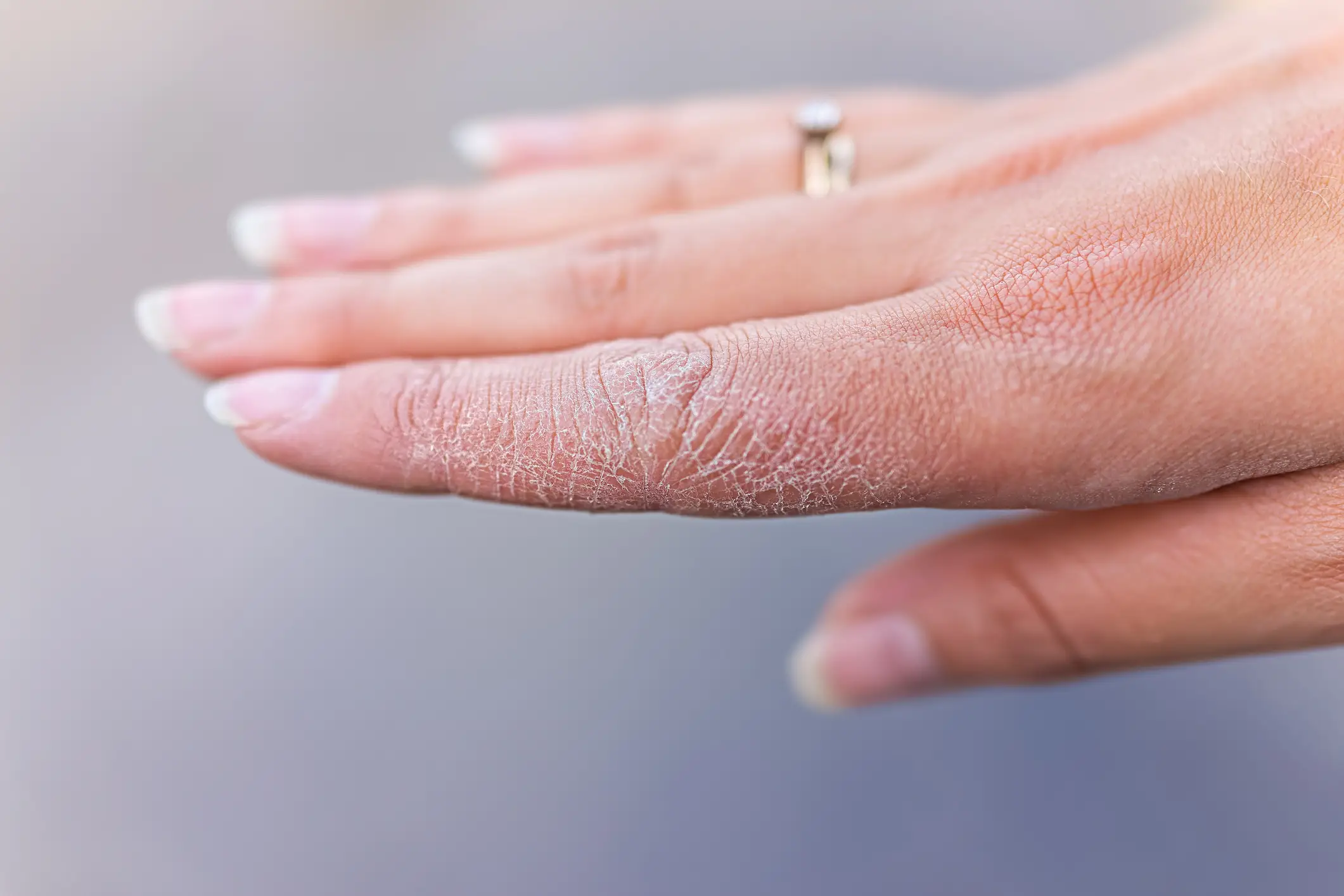
What is pompholyx?
Pompholyx is a skin condition that causes clusters of small, fluid-filled blisters to form on the hands and feet. The blisters are described by Harvard Health as having a "tapioca-like" appearance, and the itching can be severe enough to appear before the blisters are even visible.
According to the National Eczema Society, the condition can occur at any age but most commonly affects adults under 40, and is more frequently seen in women. Around half of people who develop it either have atopic eczema themselves or a family history of it.
The exact cause isn't fully understood, but several triggers have been identified: stress, excessive sweating, warm weather, exposure to metals like nickel or cobalt, and contact with irritating chemicals. People in certain professions, hairdressers and metalworkers in particular, appear to be at higher risk.
Because of the similarities between hand, foot and mouth disease, doctors advise against self diagnosing. If you think you have it, it's important to go and see a doctor.
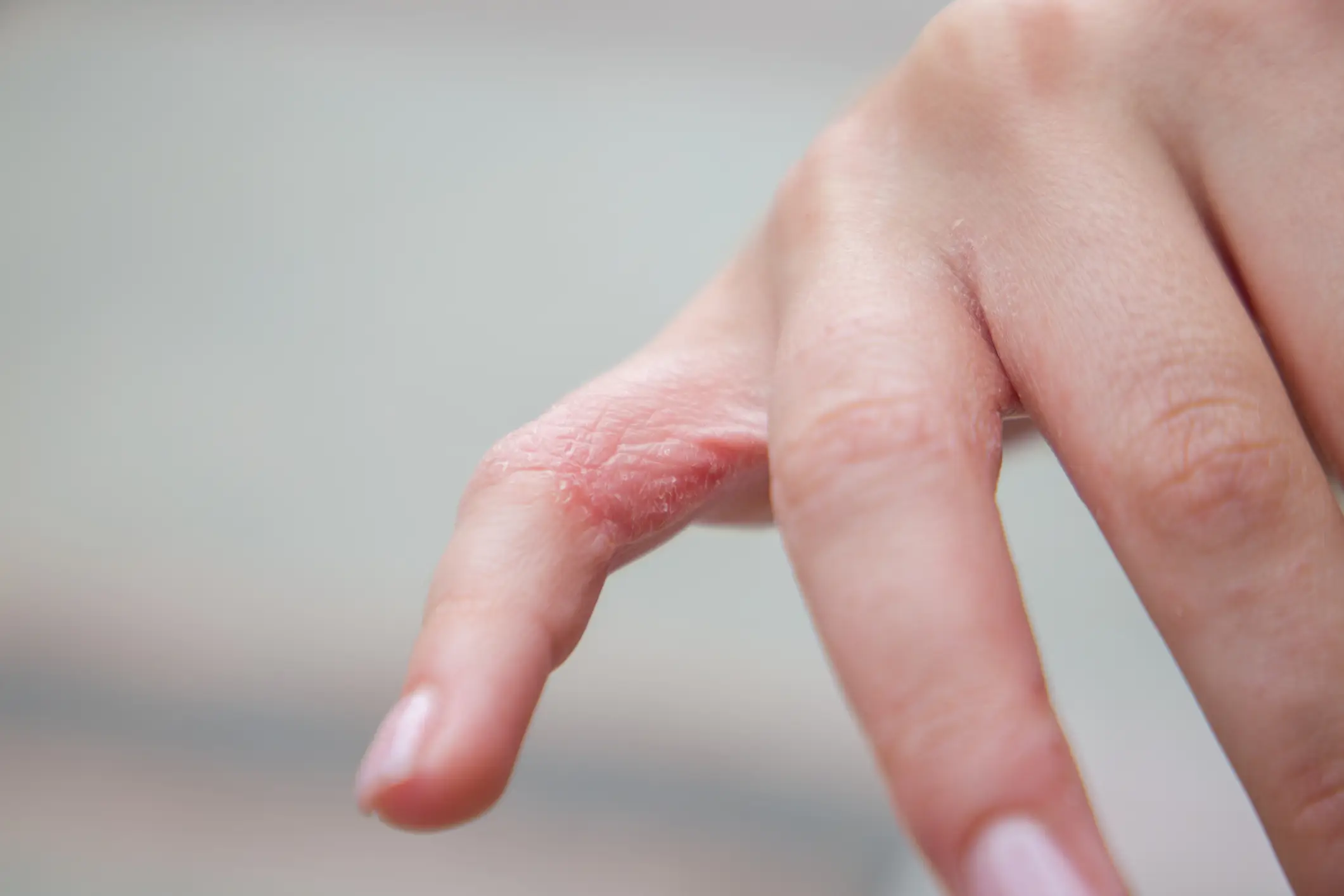
How do you treat it pompholy?
There's no cure for pompholyx, and for most people it's a chronic condition that needs ongoing management rather than a one-off fix.
Harvard Health recommends washing hands with warm (not hot or cold) water, using an emollient soap substitute instead of regular soap, and wearing protective gloves, ideally cotton-lined, when handling chemicals like shampoos, cleansers, or detergents.
Cotton or silk socks are preferable to nylon, and leather shoes tend to be better than plastic or rubber for those whose feet are affected.
During flare-ups where the skin is weeping or oozing, soaking in potassium permanganate solution may provide some relief.
Emollient moisturisers are also recommended to help manage the dry, cracked skin that follows a burst blister, this is the stage when infection risk is highest, as the skin barrier has broken down.
Doctors can prescribe steroid creams to reduce itching, though these are typically used for short periods only. In more severe cases, a dermatologist may look at oral or injectable medications.
The single most useful thing you can do is try to identify and avoid your personal triggers, whether that's a particular detergent, a metal you're regularly in contact with, or periods of high stress.
See a Doctor if you notice symptoms consistent with pompholyx, if you suspect your skin has become infected, or if anything else changes with your skin that concerns you.
 Thomas Bamford