
Early heart attack signs as Saved By The Bell actor Patrick Muldoon dies at 57

Doctors have issued a warning as Saved by the Bell actor Patrick Muldoon died on Sunday (April 19) after suffering a heart attack.
A friend of the 57-year-old confirmed the producer's tragic passing to Deadline, with the Days of Our Lives star being remembered as 'stylish, charismatic, and full of life'.
The friend went on to describe Muldoon as someone who 'embraced each day with a full-tilt, rock ’n’ roll spirit' and as an 'endlessly generous' person.
Muldoon 'loved animals and people alike, gave unforgettable hugs, and possessed a rare quality of making others feel safe and seen', according to the friend.
Advert
While an official cause of death is yet to be detailed, multiple reports suggest Muldoon had a sudden heart attack on Sunday morning.
A heart attack can happen when the supply of blood to the heart is blocked, typically by a blood clot.

Early signs of a heart attack
Cleveland Clinic explains that early signs of a heart attack can start hours, days, or even weeks before a myocardial infarction happens.
Dr Jacqueline Tamis-Holland explained how some people have a period of 'waxing and waning' symptoms prior to a heart attack, which include:
- Chest pain or discomfort that comes and goes
- Unusual fatigue
- Shortness of breath with usual activities
- Episodes of nausea
- The sense that you just don’t feel right
Dr Leslie Cho said most people complain of 'chest pressure or chest tightness', adding: "Most people will say they feel like someone is sitting on their chest. It's very oppressive. They feel this sort of doomed feeling.
"Some people sweat. Some people will say they feel pain radiating up to their left jaw or down to their left arm.
"Other people complain of nausea. Some people become very, very short of breath. I've heard people describe it as a back ache."
Dr Tamis-Holland added: "Some people have chest discomfort that goes away and then comes back. The feeling might last five minutes or 10 minutes. But because it’s not intense or severe, and it goes away, they don’t call their provider.
"Some people just feel really tired in the weeks before.
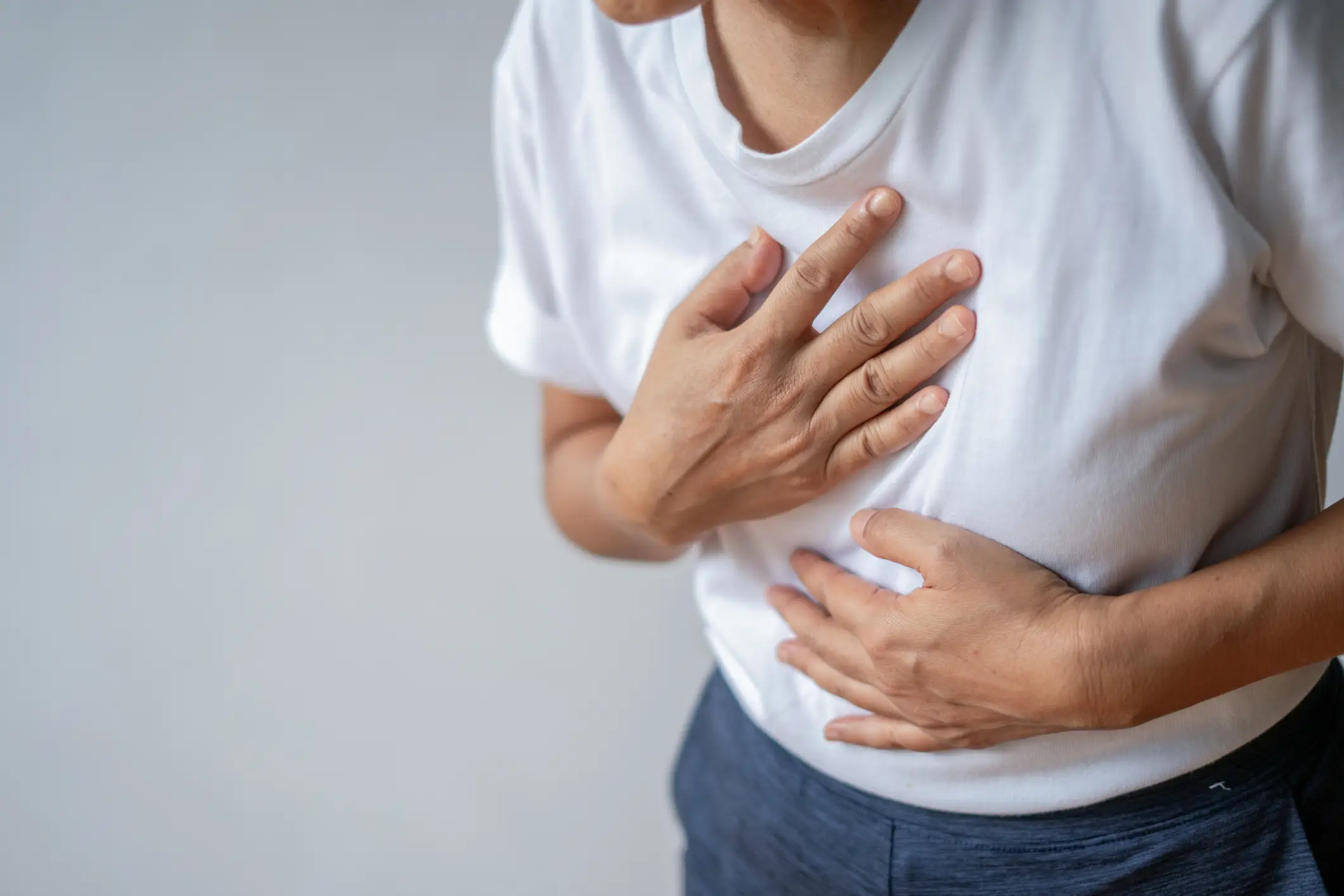
"While this is less often a warning sign, some patients have described this sensation in the days prior to their event. They don’t have as much energy as they usually do."
The health expert went on to say that you could well experience a sense of impending doom, a sense that may last for a number of days.
"There are some people who have said after the fact, ‘I just didn’t feel well, but I can’t really explain it,’” Dr Tamis-Holland continued.
What do people who have had a heart attack say it feels like?
The American Association of Retired Persons (AARP) spoke to several people who'd survived heart attacks and asked them to describe their symptoms.
Bill Schaffer, 60, from New Jersey, said he was experiencing a pain in his back when he climbed the stairs.
On the day of the heart attack, he started to feel 'sweaty without sweating, feverish without a fever'.
Sitting down to dinner, he started to experience indigestion, and then had the sensation his heart was being 'crushed'. He told his wife to phone 911.
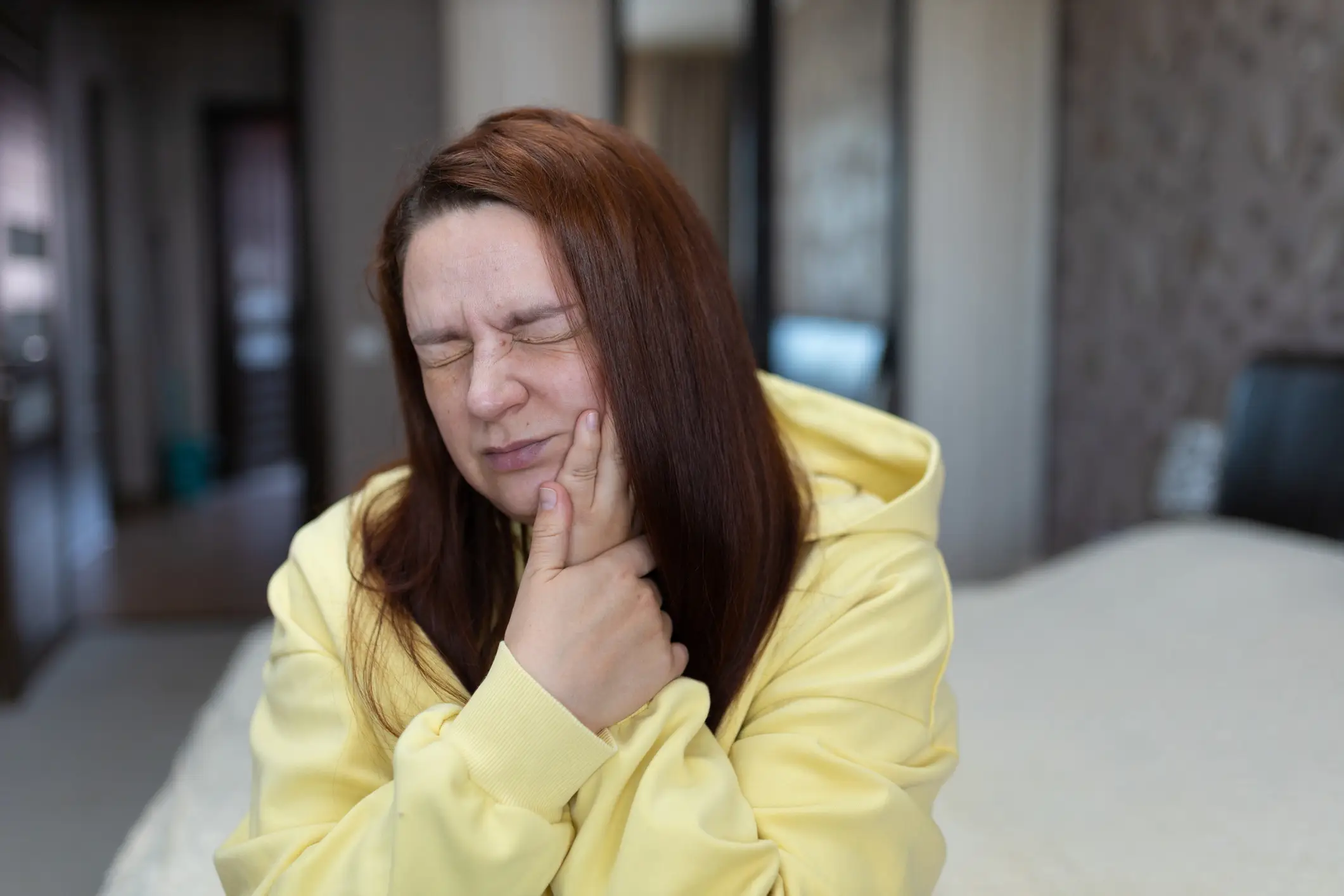
Susan Madero, 66, from Los Angeles, had 'the sensation of a very large person sitting on her chest', feeling a tightening in her ribs and a shortness of breath,
She then experienced pain in her right shoulder and arm, in the front of her neck and then up her jaw.
Angelo Keyes, 54, from Dallas, was weightlifting at the gym before his heart attack. Noticing a strain across his shoulders and chest, he wrote it off as a pulled muscle.
It was only when he 'could barely stand up' a while later that he realized he was having a heart attack.
"If you have any of these signs and are concerned, call your physician or healthcare provider," Dr Tamis-Holland said.
However, if you think you're having a heart attack, you should call 911.
Topics: Film and TV, Celebrity, Health
 Callum Jones