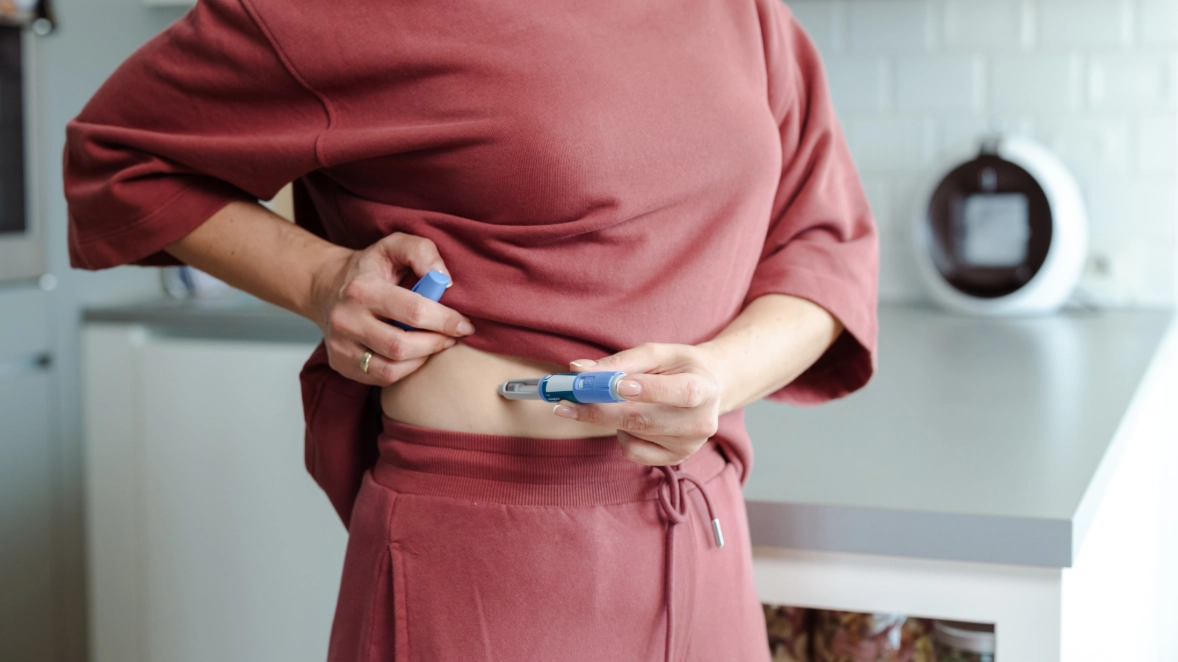
'Ozempic face' explained as side-effect sparks surge in plastic surgery

Ozempic is allegedly causing users to debut a new look, and this one could be sparking an interest in plastic surgery to correct it.
We’ve all heard about the side effects from weight loss drugs, including things like ‘Ozempic butt’, ‘Ozempic penis’, and ‘Ozempic vagina’.
But it’s the ‘Ozempic face’ effect that has people rushing to their surgeon’s office, according to a recent study.
According to the British Association of Aesthetic Plastic Surgeons (BAAPS), certain cosmetic surgeries are on the rise, and that ‘the side effects of weight-loss drugs such as “Ozempic face” have also driven medical reasons for patients seeking facial aesthetic procedures.’
Advert
Now, if you don’t know what this side-effect is, it’s one that has been debated for some time, with some believing it doesn’t exist, while others say it’s easy to spot in users.

Ozempic, a weekly injection that helps lower blood sugar levels, has been approved for use in the US since 2017 for adults with type 2 diabetes, but not for weight loss.
Despite this, people still use it because of its rapid weight loss benefits, but this quickness comes with repercussions.
Namely, muscle-loss and skin sagging, per insights presented at the UNC School of Medicine.
John A. Batsis, MD, an expert on obesity at the UNC Gillings School of Public Health, published his research in Annals of Internal Medicine, explaining: "While muscle loss is expected during weight loss, we observed that the proportion of weight loss attributable to muscle was consistently higher than anticipated across studies. These findings suggest that the magnitude of muscle loss relative to total weight loss warrants closer attention."
With this, Ozempic users might look hollow in the face due to muscle loss in their cheek area, which surgeons have linked to an increase in facial procedures.
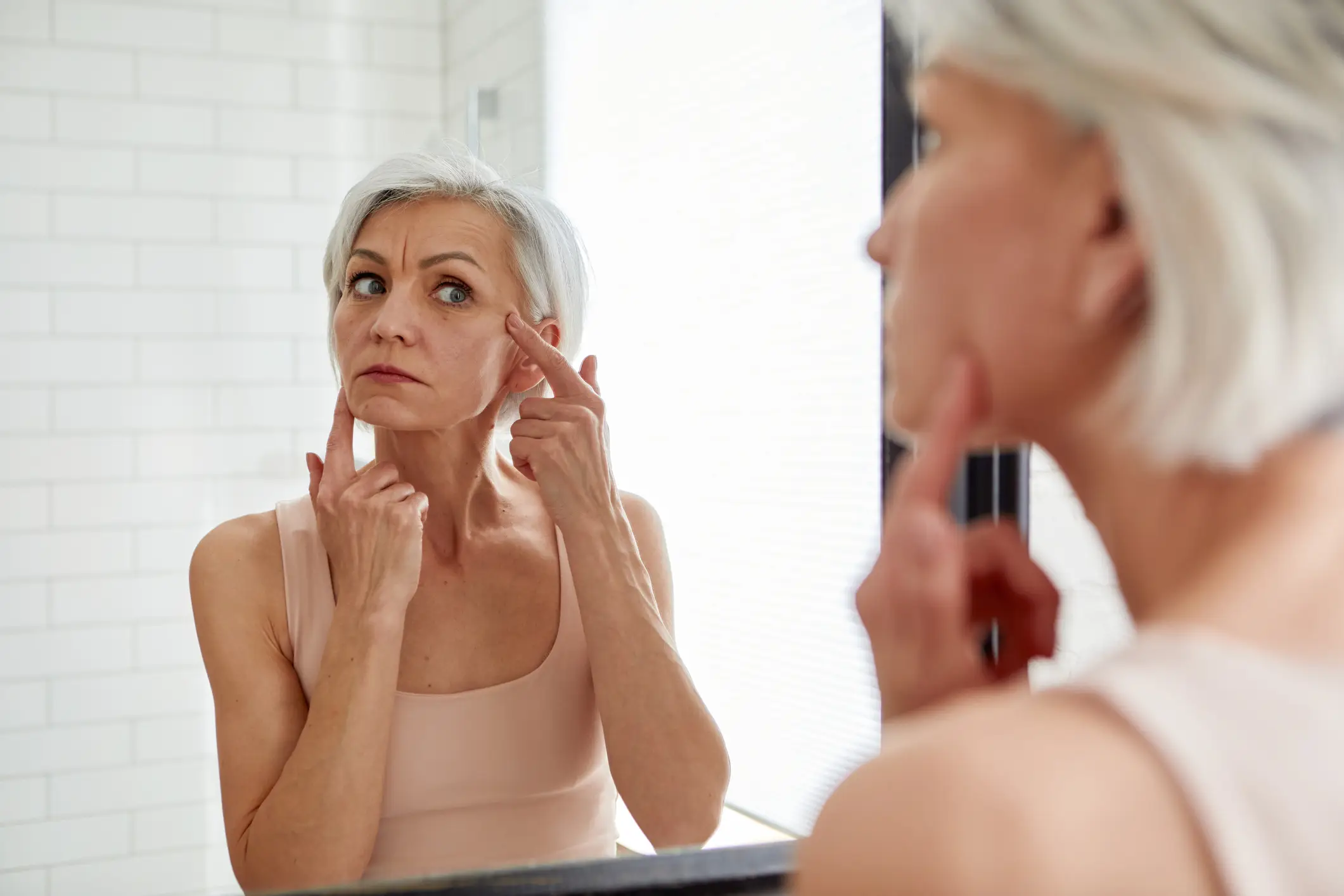
The BAAPS study revealed that women account for 93.9 per cent of all procedures, claiming blepharoplasties increased by eight per cent, which involves removing extra skin, muscle, or fat from the upper or lower eye.
Face and neck lifts were also shown to be up by 11 per cent, to correct sagging skin, and brow lifts seeing the biggest increase with an increase of 25 per cent.
Former BAAPS President Rajiv Grover, said it’s likely to have been caused by social media, people being exposed to surgery results, as well as Ozempic.
He said, per The Independent: “Social media has allowed people to see what modern facial surgery really looks like with subtle, natural and restorative results, driven by the newer techniques of deep plane facelift and deep plane neck lift surgery. Non-surgical treatments still have a role, but they cannot correct structural laxity of the soft tissues which is the central pillar of facial ageing. Patients are increasingly seeking longer-term solutions which compare more favourably with the repeated expense of non-surgical treatments several times a year.”
He went on to say: “Awareness of the side effects of weight-loss drugs such as ‘Ozempic face’ have also driven medical reasons for patients seeking facial aesthetic procedures.”
Novo Nordisk said to UNILAD: "At Novo Nordisk we care deeply about patient safety. Like all medicines, treatments used for chronic conditions can have side effects, and these can vary from person to person. That is why medicines are prescribed by healthcare professionals, who consider the potential benefits and risks for each individual.
"In the UK we work closely with the Government medicines regulator, the MHRA, to share details of the safety reports we receive and to ensure that side effects are accurately reflected in the approved information for our medicines. When considering the totality of evidence from our clinical trials, post marketing reports and observational studies, we believe the benefit–risk profile of semaglutide remains favourable when used as indicated.
"Anyone with concerns about side effects, or about whether a medicine is right for them, should speak to their doctor, nurse or pharmacist, who can provide personalised medical advice and support. We would also encourage anyone who believes they are experiencing side effects to report them to their healthcare professional and via the MHRA Yellow Card Scheme."
 Britt Jones