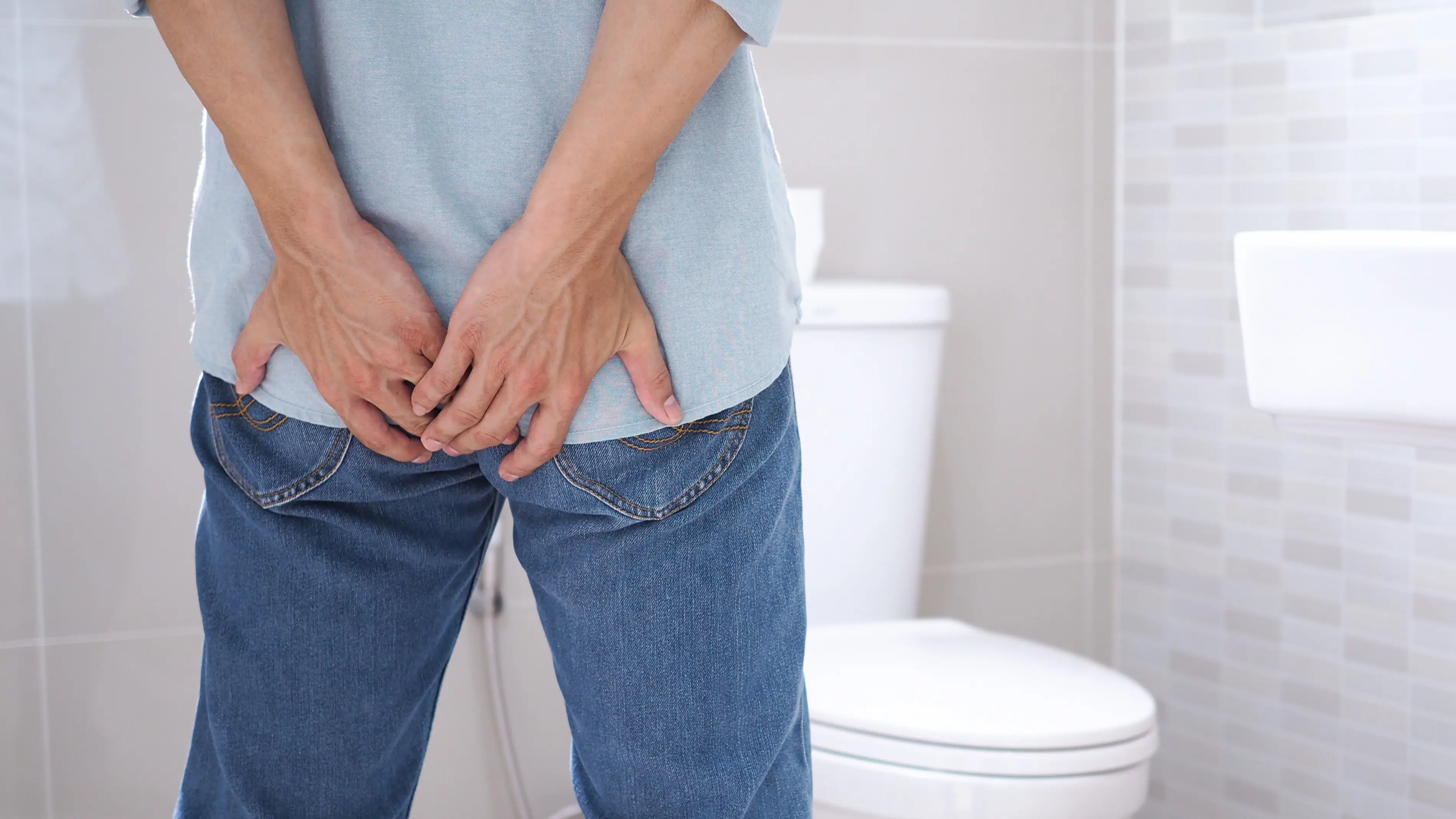
Nutritionist explains why farts smell and when exactly you should be concerned

A nutritionist has explained why farts can smell and when you should probably book an appointment with your GP over concerns surrounding odour.
While it may be pretty disgusting, flatulence is perfectly natural with the average person farting between 15 and 25 times a day.
Most farts are generally odourless and it's the noise of passing wind that makes everyone turns head, but sometimes, farts can smell pretty bad and there's a very good reason for that.
It's long believed that consuming foods such as vegetables causes smelly farts, but nutritionist Adrienne Benjamin revealed it's a bit more than that.
Advert
Benjamin explained: "Most intestinal gas is actually odourless. The main gases we pass; nitrogen, hydrogen, carbon dioxide, methane and oxygen, don’t have a smell. The odour comes from trace gases produced when gut bacteria ferment undigested food, particularly sulphur-containing compounds such as hydrogen sulphide.
"Whilst many people blame vegetables for smelly farts (and some vegetables do contain relatively high levels of sulphur), animal products such as meat, dairy and eggs contain more sulphur and are more likely to cause ‘smelly’ fermentation.
"So it’s not the volume of gas that determines smell, it’s the type of fermentation happening in the gut and which bacteria are involved."
It's worth nothing that passing gas is perfectly normal, but there comes a time when unpleasant-smelling farts become a cause of concern.
You see, there's a possibility that other health issues such as irritable bowel syndrome (IBS) could be the cause of excessive wind, which is best to get checked out.

Benjamin continued: "Concern arises if gas is accompanied by persistent abdominal pain, unexplained weight loss, changes in bowel habits, blood in stool, severe bloating, or if symptoms are new and worsening.
"If symptoms are frequent or disruptive, it’s worth speaking to a GP to rule out conditions such as lactose intolerance, coeliac disease, IBS, or other digestive disorders.
"In many cases, gradual dietary adjustments, mindful eating, reducing ultra-processed foods, managing stress, and supporting the gut microbiome with targeted probiotics."
Benjamin went on to discuss how 'sulphur-rich' foods such as eggs, garlic, onions, red meat, broccoli and cabbage can impact the smell of a fart.
"Hydrogen sulphide is the compound largely responsible for the classic ‘rotten egg’ smell," the nutritionist said.
"The effect isn’t immediate. It usually takes several hours, often 6–24 hours, because the food must travel to the large intestine where bacterial fermentation occurs."
Topics: Health
 Callum Jones