
Doctor says '90-minute' rule should help you fall asleep faster

A doctor has shed light on the '90-minute' rule to help fall asleep more quickly at night.
You know the feeling.
You’ve been exhausted all day, but the second your head hits the pillow, your brain suddenly wants to revisit every awkward interaction you’ve ever encountered.
Then comes the tossing. The turning. The aggressive pillow flipping.
Advert
And somehow, it’s 2am.
There have been countless methods people have tried in the hopes of getting a better night’s sleep - from herbal teas and white noise, to magnesium supplements and desperately pretending not to look at the clock - a personal favorite.
But a doctor has shared a new '90-minute' rule which might just change the game forever, among other helpful tips and tricks that might be more familiar.
Dr Rangan Chatterjee is a bestselling author and podcast presenter, known for his advice on sleep, stress, nutrition, and more.
But prior to his career in the media and podcasting, he worked as a GP for more than 20 years - so he's definitely a safe pair of hands when it comes to health and wellbeing.
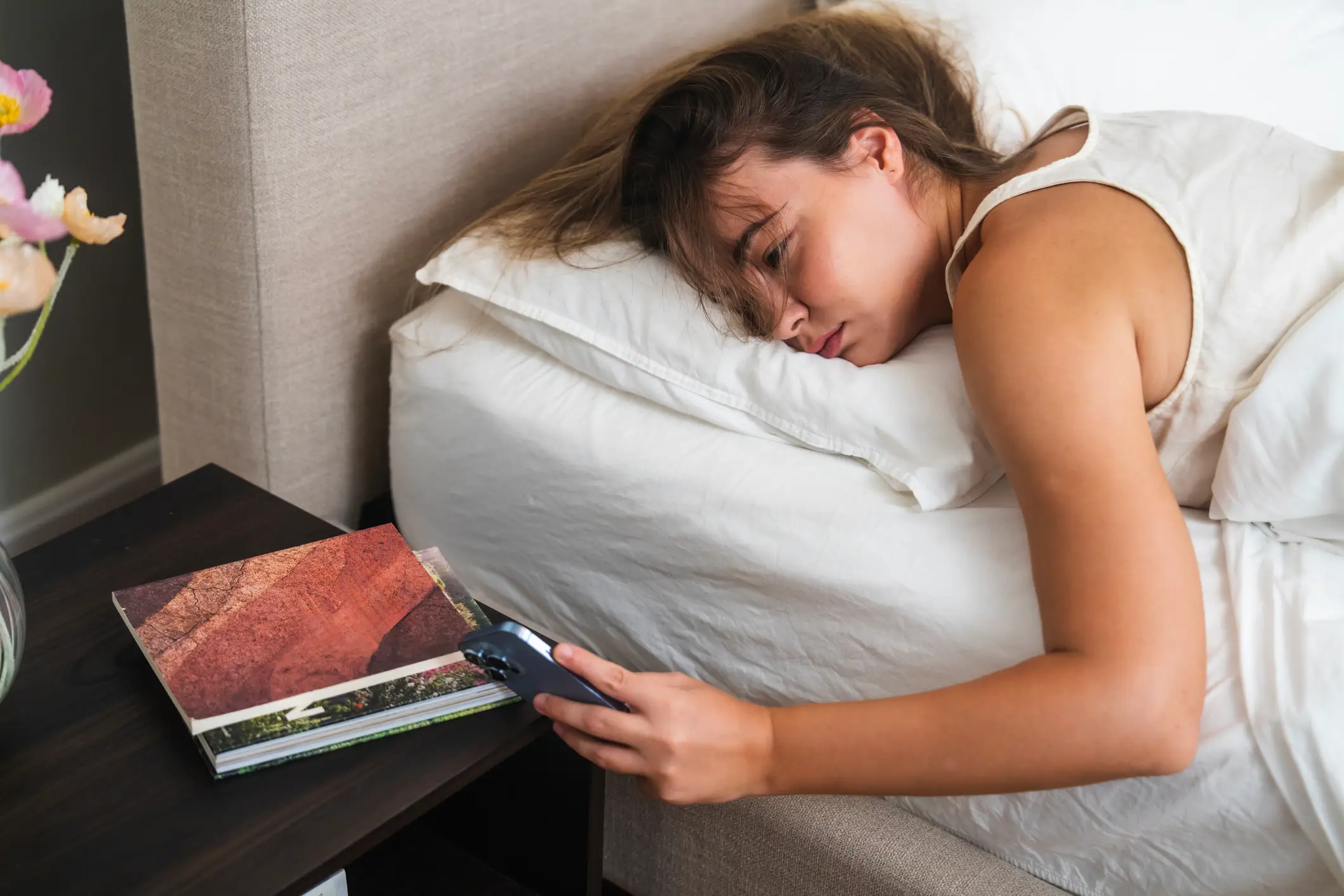
Sharing the advice with over a million of his followers on Instagram, Dr Chatterjee noted the benefits of having 'no tech for 90 minutes before bed'.
Experts state that phones, tablets, and laptops expose us to blue light, which can suppress melatonin - the hormone that helps regulate sleep.
Writing on his blog, the health expert noted: "This reduces the amount of mental and emotional stimulation which often keeps us awake.
"I have seen this tip alone transform the sleep of many patients."
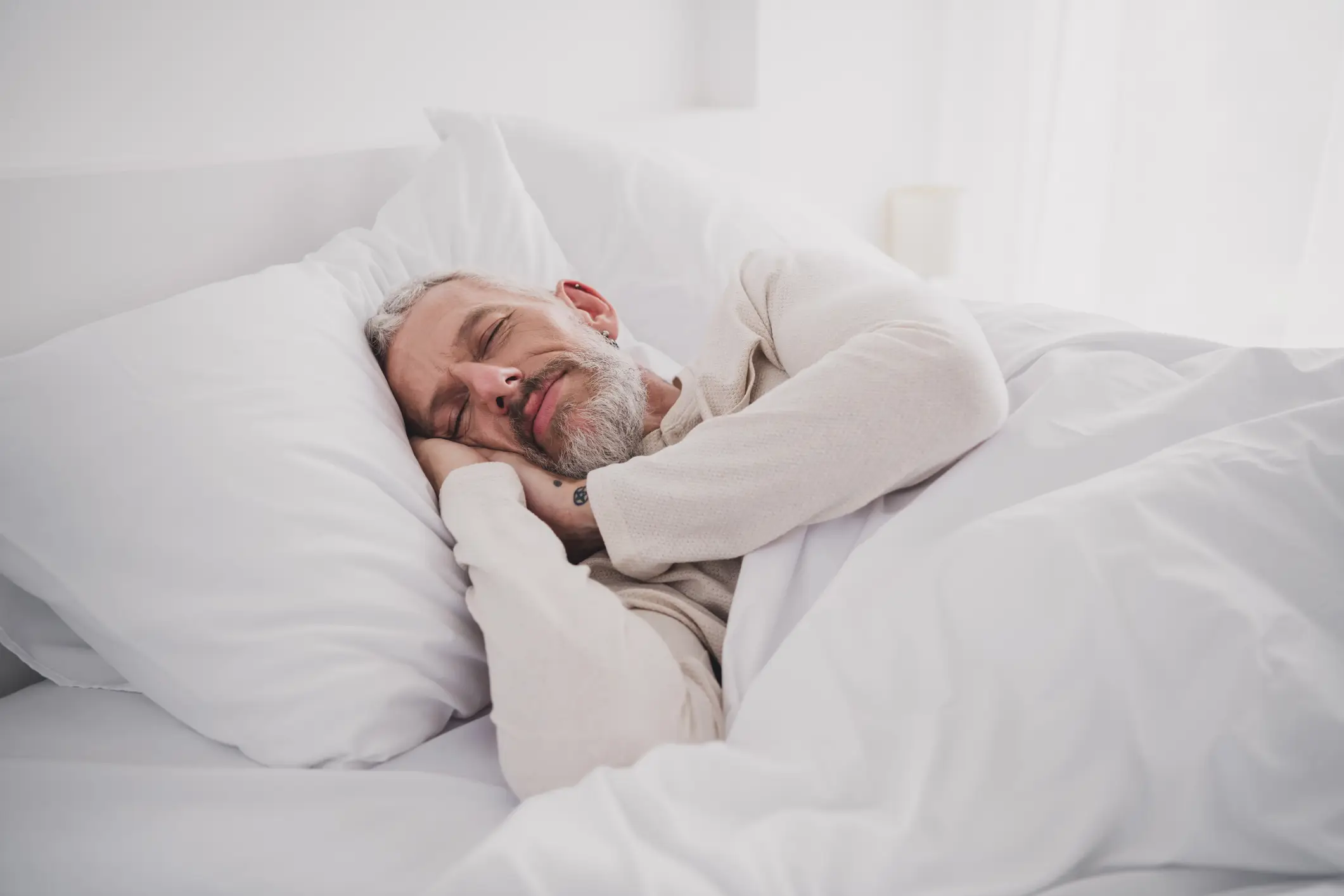
Additional approaches people can adopt, according to the doctor, include keeping screens out of the bedroom and getting morning light exposure within 30 minutes of waking.
Chatterjee also recommends steering clear of caffeine after 12pm.
His final suggestion was consuming your last meal of the day earlier in the evening, which research suggests significantly affects sleep quality.
Writing on his blog, the health expert noted that we are currently living through a 'sleep deprivation epidemic'.
"Scientists from Oxford University claim that we are sleeping about 1-2 hours less than we were sixty years ago," he added.
He further noted that lack of sleep is associated with numerous negative health consequences, including a higher risk of 'obesity, type 2 diabetes and Alzheimer’s disease'.
 Mia Williams