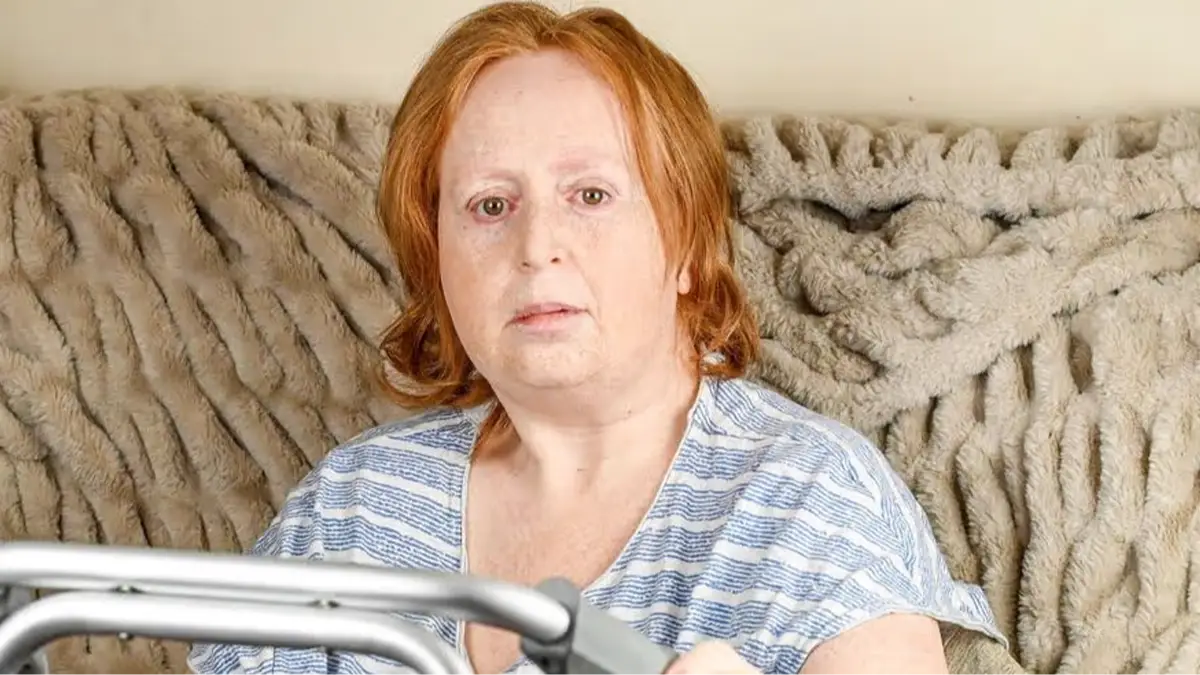
Mom, 45, taking legal action after undergoing chemotherapy for 6 years that she 'did not actually need'

A mom is suing the UK's National Health Service (NHS) after finding out she underwent six years of chemotherapy without actually needing to.
Samantha Smith, from Bromsgrove, a town in Worcestershire, UK, is taking the NHS to court after a critical error was made in her care plan.
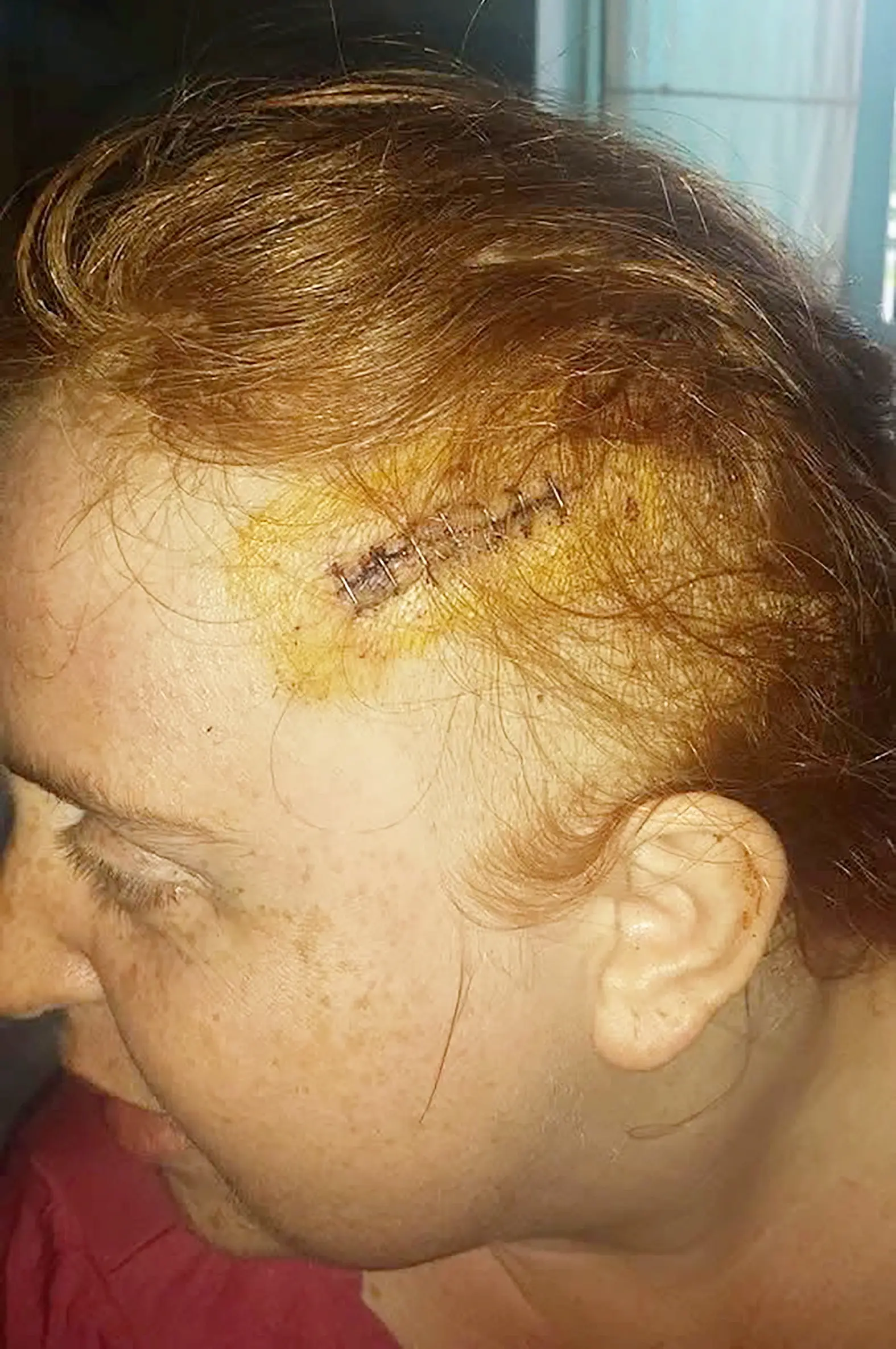
The 45-year-old was diagnosed with a brain tumor in 2014 after it was first believed to have been simple gastric problems.
However, once the tumor was discovered, doctors revealed she would need surgery, then radiotherapy treatment and chemotherapy under the University Hospital Coventry.
Advert
The patient was on the chemo plan for six and a half years, as advised by consultant oncologist Professor Ian Brown, and she only stopped the treatment once he retired.
During this, MRI scans were carried out, and Samantha was told in 2021 that she could be cleared from having to continue with the treatment.
But shockingly, once a new consultant took over her case, they revealed to Samantha that she was grossly over the timescale that a typical chemotherapy plan is laid out for.
The new consultant told the mother that she should have only been prescribed six months of chemo, and not six years.
The shock, understandably, was a lot for the mom-of-three to handle.
She said: “Undergoing chemotherapy is a gruelling process and I’ve been very unwell for the best part of a decade. But I told myself it was all worth it to get better.
“So to find out that around six-and-a-half years of my treatment wasn’t needed came as a huge shock. I feel like that part of my life has been stolen from me, as I spent so long unable to function properly and just getting by day-to-day.”
Now, she has called lawyers to investigate her care as she believes there may be other patients who have also been over-treated.
As a result, Professor Brown is being subjected to a General Medical Council investigation after it was found that another patient received 14 years of medical over-treatment.
What has Samantha said about the mistake?
Revealing the impact of her overt-reatment, Samantha shared she had to take extra precautions during the Covid pandemic due to chemo lowering her immune system and making her vulnerable to infection.
She said she 'can’t work and I’m plagued by fatigue, infections, rotting teeth and ongoing issues with my mobility'.
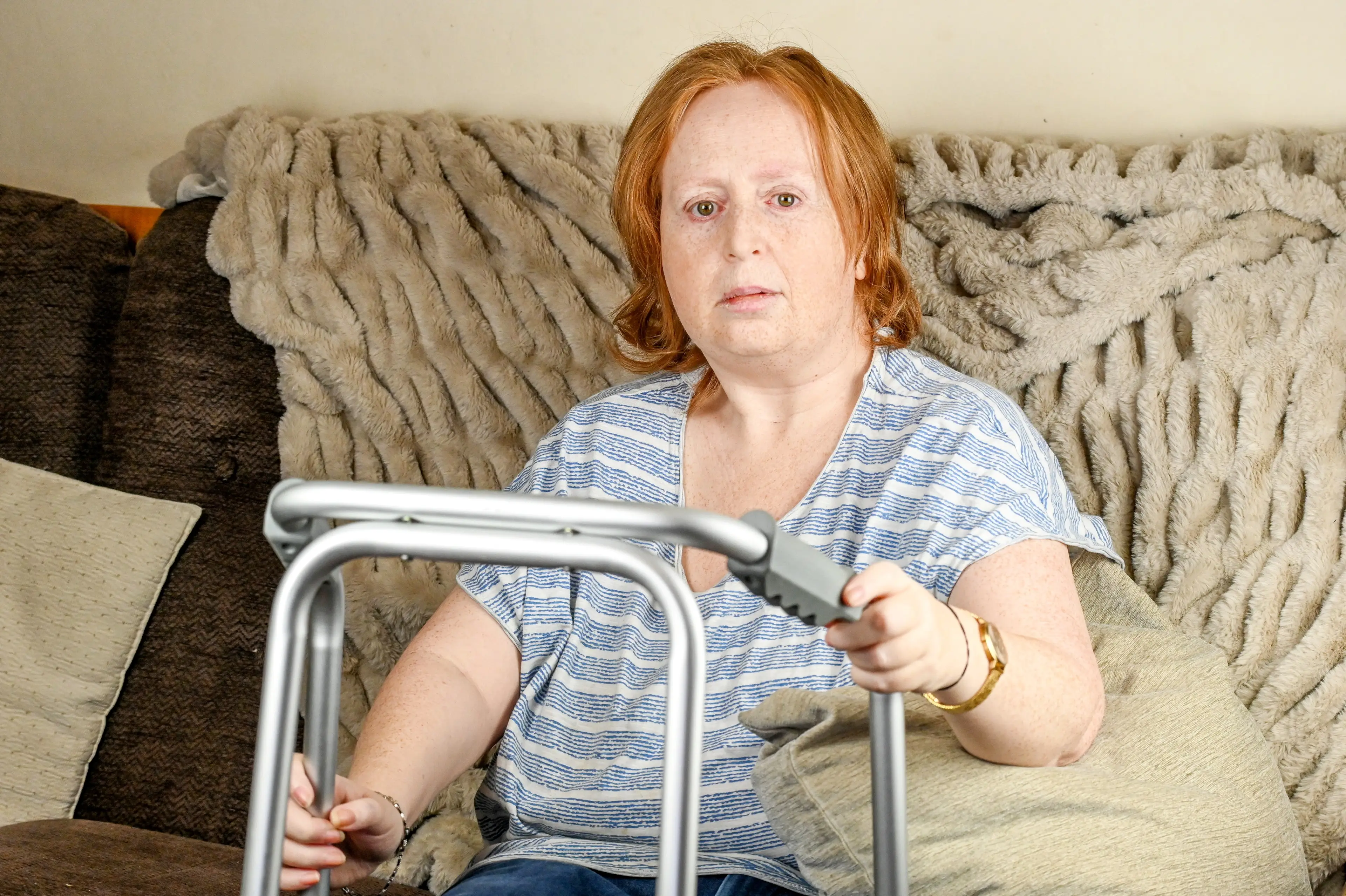
She also can’t move her ‘right side leg upwards and can't move my shoulder’.
The University Hospitals Coventry and Warwickshire NHS Trust (UHCW), said it was carrying out an internal review into what happened and the prolonged use of the medication in question and wrote to Samantha confirming it is investigating her care.
In its correspondence, the trust said her treatment plan was ‘not supported by scientific evidence.’
It also confirmed that ‘actions have been implemented’ to ensure the over-treatment doesn’t happen again.
Leanne Atkinson, the medical negligence lawyer representing Samantha, said: “Samantha had every faith in what she was being advised so to be told that more than six years of medication administered to her was completely unnecessary has left her devastated and with so many questions.
“She’s been forced to live with the side effects of the toxic drug, which have taken a significant toll on her health and quality of life. While nothing can change what she’s been through, we’re determined to help her obtain the answers and access to specialist rehabilitation and support she deserves.
“It’s also deeply worrying to hear that Samantha’s case doesn’t appear be an isolated one and that the care provided to a number of patients is now being investigated.”
What the UHCW has said
A spokesperson for University Hospitals Coventry and Warwickshire (UHCW) NHS Trust said, per SWNS: “The Trust is committed to providing the safest possible care. We have comprehensively reviewed and spoken to all individuals who were receiving temozolomide (TMZ) treatment at the end of 2023 to ensure appropriate support and care plans are in place.

“High grade brain tumours are associated with a poor outlook, with fewer than two per cent of patients with grade 4 glioblastomas surviving longer than 10 years. A high grade brain tumour is an extremely complex condition and all modes of treatment – surgery, chemotherapy and radiotherapy – carry the risk of complications and side effects.
“National Institute for Health and Care Excellence (NICE) guidelines recognise that clinicians can exercise professional judgement appropriate to individual circumstances when offering treatment to patients. We have commissioned the Royal College of Physicians to conduct an independent review of a representative cohort of patients who received greater than 12 cycles of adjuvant TMZ between 2017 and 2023.
“As this process is ongoing, it would be inappropriate to comment further at this stage."
A spokesperson for University Hospitals Coventry and Warwickshire (UHCW) NHS Trust said: “The Trust is committed to providing the safest possible care. We have comprehensively reviewed and spoken to all individuals who were receiving temozolomide (TMZ) treatment at the end of 2023 to ensure appropriate support and care plans are in place.
“High grade brain tumours are associated with a poor outlook, with fewer than two per cent of patients with grade 4 glioblastomas surviving longer than 10 years. A high grade brain tumour is an extremely complex condition and all modes of treatment – surgery, chemotherapy and radiotherapy – carry the risk of complications and side effects.
“National Institute for Health and Care Excellence (NICE) guidelines recognise that clinicians can exercise professional judgement appropriate to individual circumstances when offering treatment to patients. We have commissioned the Royal College of Physicians to conduct an independent review of a representative cohort of patients who received greater than 12 cycles of adjuvant TMZ between 2017 and 2023. As this process is ongoing, it would be inappropriate to comment further at this stage."
UNILAD reached out to the University Hospitals Coventry and Warwickshire (UHCW) NHS Trust for further comment.
 Britt Jones