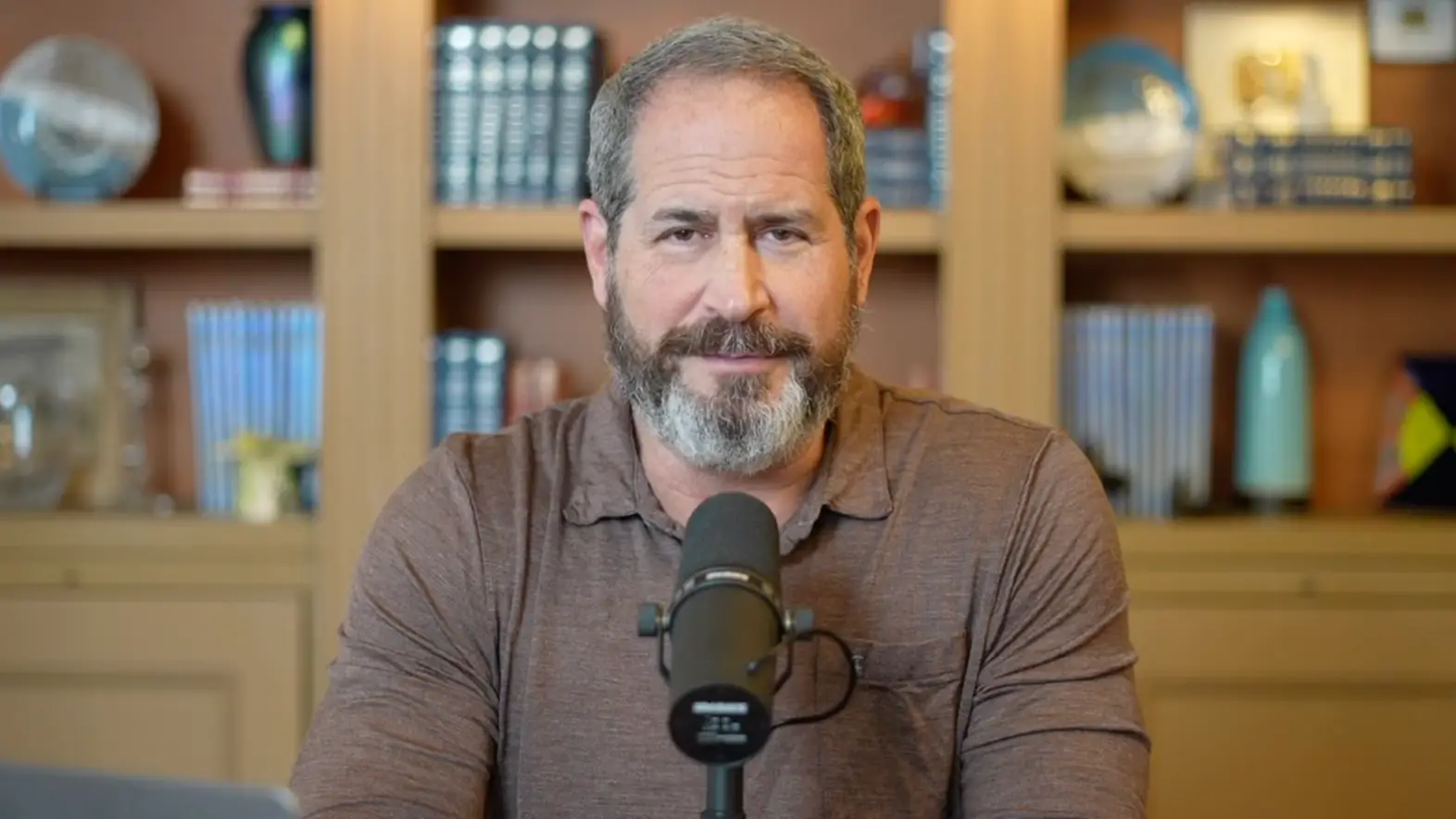
Cardiac surgeon who suffered heart attack in his 50s explains key changes he made for his health

A cardiac surgeon who had a heart attack in his 50s has revealed the steps he took to improve his health after the life-changing incident in 2022.
On the day of his heart attack, Dr. Jeremy London had been feeling unwell and was experiencing what he simply thought was heartburn.
He proceeded to go on a hunting trek with his son in the Georgia woods when he started to get serious chest pains. It was then that London knew he was having a heart attack.
After being rushed to the hospital, doctors discovered that London, who has shared his full heart attack story on his YouTube channel, had a 99 per cent blockage of blood flow in his right artery.
Advert
Even as an expert in the field, London came to realize that he'd been ignoring the red flags in the run up to his heart attack and has since made a few simple – but key – changes to his lifestyle to improve his health.
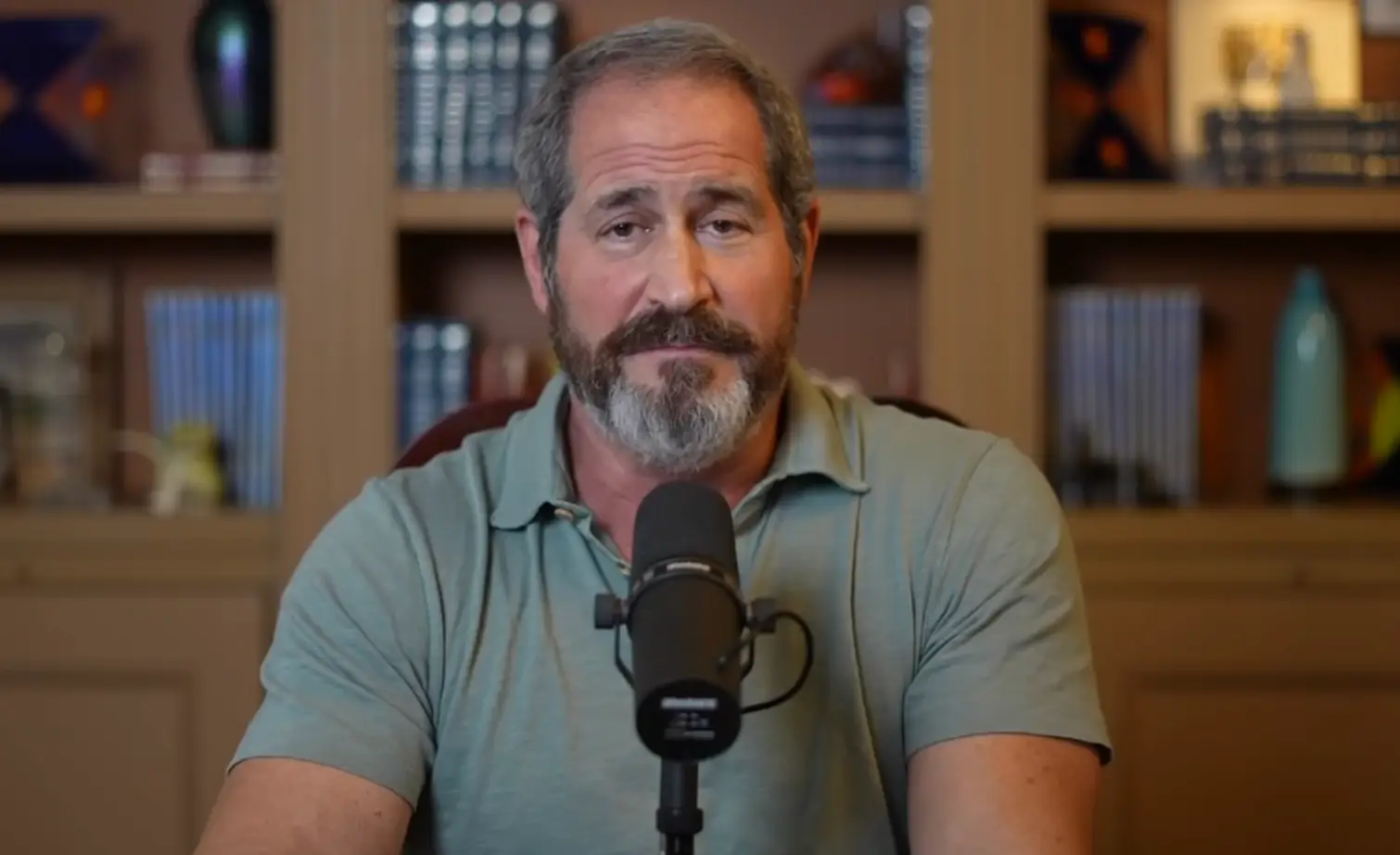
Speaking to Business Insider, London said: "The bottom line is, many, many times we know better and we don't do better. It is a universal human trap, and none of us are immune. I mean, who would know better than me?"
Here's some of the things London looked at when it came to improving his overall health...
Sleep
Sleep is extremely important when it comes to living a healthy lifestyle, something that London admitted he'd been neglecting in the lead-up to him having a heart attack.
"The most important thing for you is the thing you're bad at," London shared. "For me, that's sleep."
As a surgeon, he'd spent years working long hours and being on call as a doctor which made him struggle to sleep and relax, but he now prioritizes his sleep hygiene and takes the time to rest.

Hydration
This is another thing we're all guilty of doing: not drinking enough water.
Dehydration can negatively impact our bodies in a series of different ways — one way being that it puts stress on the heart.
Per the British Heart Foundation, not drinking enough water can thicken the blood, which makes you more at risk of developing a blood clot or having a heart attack.
As well as this, it can cause less blood to move around the body, meaning your heart has to work extra hard.
"With my busy schedule and operations that can last hours at a time, it's easy for my hydration to take a back seat," London said of his own experiences. "Though it's far from perfect, I try to hydrate proactively."
What are the symptoms of a heart attack?
According to Cedars-Sinai Hospital, heart attack symptoms can vary from person to person. For example, two out of three people who've experienced a heart attack had chest pain, shortness of breath, and felt tired a few days or weeks before their attack happened.

Meanwhile, someone can experience pain in the middle of their chest, which spreads to other areas of the body, including their jaw, back, or arms, and someone else could have this pain elsewhere, but not in their chest.
Cedar-Sinai list the most common symptoms as being:
- Faintness
- Sudden sweating
- Nausea
- Shortness of breath, especially in older people
- Heavy pounding of the heart
- Abnormal heart rhythms (arrhythmias), which occur in more than 90 per cent of people who have had a heart attack
- Loss of consciousness, which sometimes is the first symptom of a heart attack
- Feelings of restlessness, sweatiness, anxiety and a sense of impending doom
- Bluishness of the lips, hands or feet
- Older people may have symptoms that resemble a stroke and may become disoriented.
As soon as signs of a heart attack are spotted, the person must seek medical attention by going to the emergency department, as half of heart attack-related deaths occur within the first three to four hours.
 Niamh Shackleton