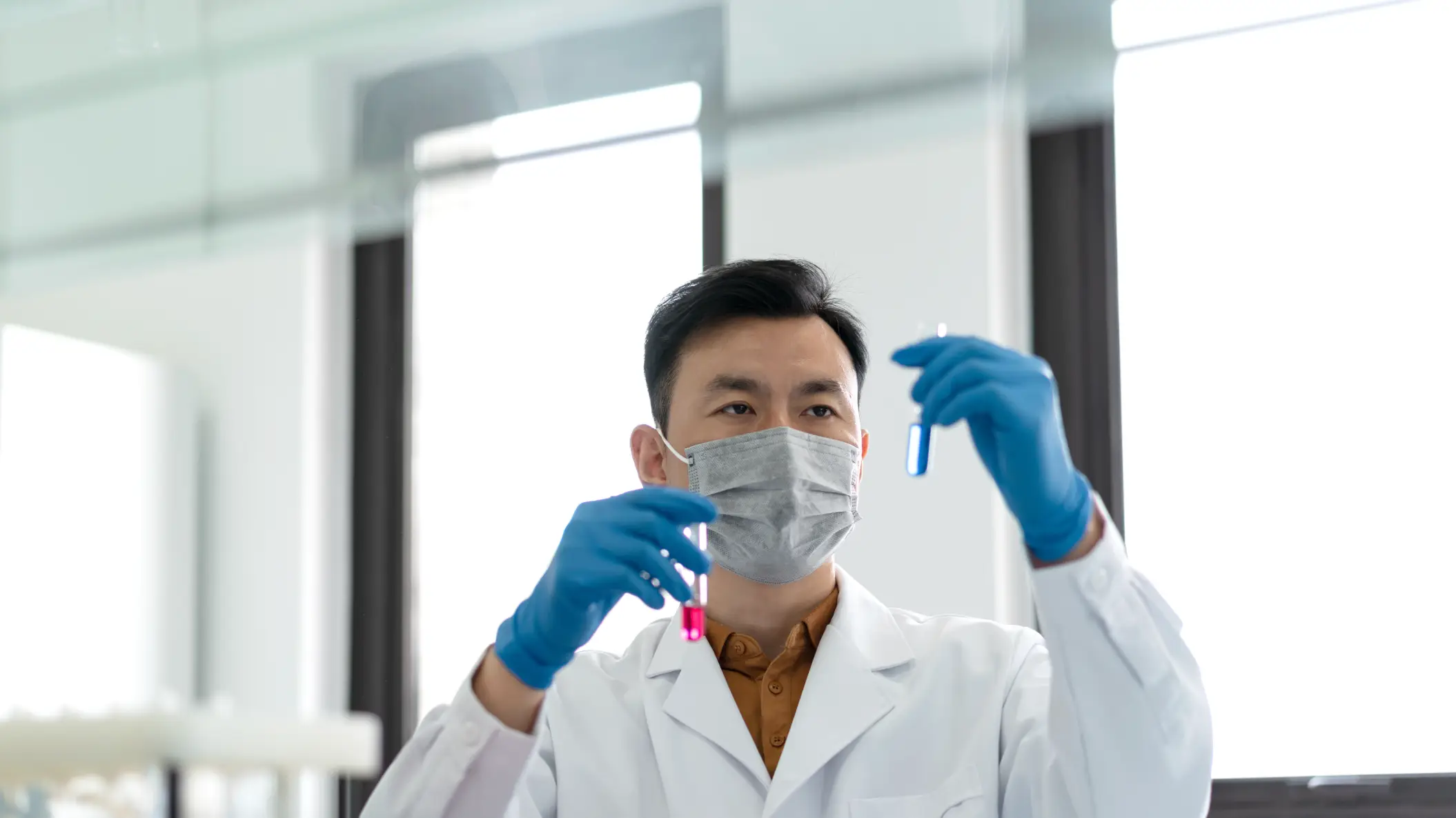
Virus without vaccine or treatment is hitting certain states, according to doctors

This is everything you need to know about human metapneumovirus, more commonly known as HMPV, which is spreading across certain states in the US.
While it may sound new, cases of HMPV were first reported in 2001 and often start showing up in January before peaking in March and April. Cases normally tail off come June.
Covid-19 very much disrupted the seasonal trend of HMPV, though cases have been reported in certain states, including New Jersey and California this year.
As per the Centers for Disease Control and Prevention (CDC), HMPV 'can cause upper and lower respiratory illness in people of all ages, especially in young children, older adults, and people with weakened immune systems'.
Advert
Symptoms of the respiratory virus include a cough, fever, nasal congestion, and shortness of breath, symptoms similar to that of Covid.
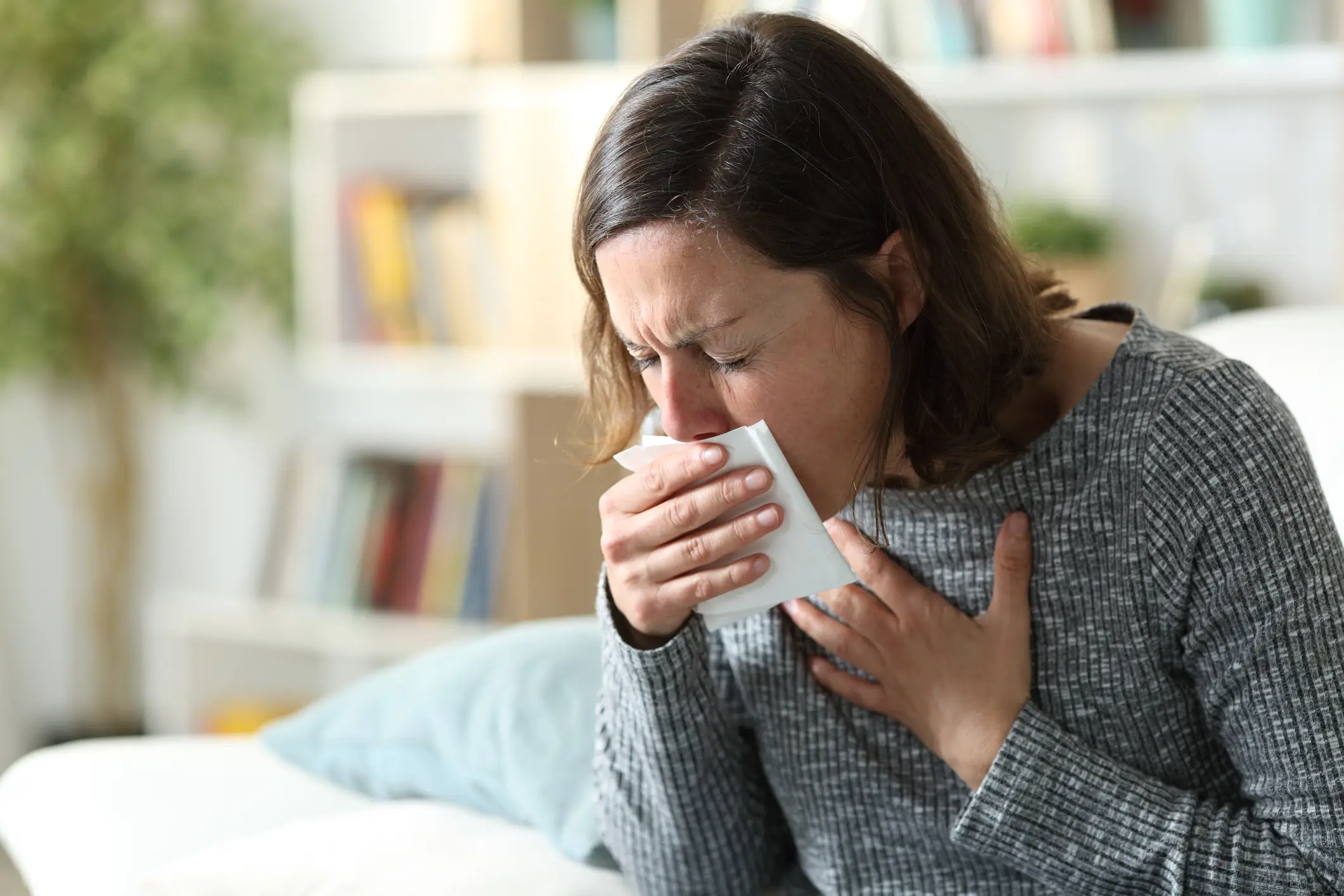
It's believed that HMPV can spread from an infected person through the air by coughing and sneezing, close personal contact such as touching, and touching objects that have viruses on them and then making contact with either the eyes and/or mouth.
While healthcare professionals can test for HMPV, there is no vaccine or treatment, so those with the virus are advised to isolate and rest to ensure a speedy recovery.
New Jersey, in particular has since a sharp increase in cases, with the New Jersey Department of Health reporting a massive increase in patients requesting emergency medical care as a result of HMPV.
The WastewaterScan Dashboard, a site which monitors sewage for infectious diseases, states high levels of HMPV has been detected in wastewater in Northern California, as per USA Today.
HMPV has also been found in LA County, though the concentration levels there are described as low to moderate.

While symptoms may be minimal for some, those more at risk could see the virus develop into pneumonia and even exacerbate asthma and chronic obstructive pulmonary disease (COPD).
Professor Paul Griffin, director of infectious diseases at Mater Health Services in Brisbane, Australia, told the Guardian: "It certainly can and does cause severe disease, that’s why I think it’s important that people know it’s out there.
"The challenge is at the moment there’s not much we can do except educate people [that] it’s around to reduce transmission. There’s no vaccine or antivirals, although there are some vaccines in development."
As there is no vaccine and treatment for HMPV, health experts say its crucial to practice good hygiene in a bid to reduce transmission.
 Callum Jones