Scientists want to grow 'headless' human bodies and farm their organs for research

Mankind may one day satisfy its organ donation and medical research needs with the use of lab-grown headless human bodies, if one group of scientists get their way.
Researchers at R3 Bio are attempting to speed up the transition away from the use of animals in laboratories for testing breakthrough medicines and cosmetics, with the innovation of non-sentient 'organ sacks'.
The billionaire-funded biotech firm is in the process of creating the 'complete organ systems' of animals commonly used in testing, already seeing success with 'headless' mouse technology. Next is primates.
Importantly for R3's end goal of growing a headless human body, these sacks of organs all lack a brain and therefor lack the troublesome consciousness and pain processing powers that make testing and organ harvesting unethical in the first place. Though, the scientists don't like when you call them brainless.
Advert
R3 CEO and co-founder Alice Gilman has said she does not like this word for the sacks of organs her team is developing, as by design, they aren't really missing anything at all. Even if her lab is full of headless mice.
Speaking to Wired, she said: “It’s not missing anything, because we design it to only have the things we want.”
While this might all seem a bit science fiction, especially with the team referring to these lab-made living creatures as 'bodyoids', the success of their early trials developing the technology to make mouse-oids has seen them secure major outside investment.
One of their biggest backers Boyang Wang, CEO of investment fund Immortal Dragons, said: “We think replacement is probably better than repair when it comes to treating diseases or regulating the aging process in the human body.
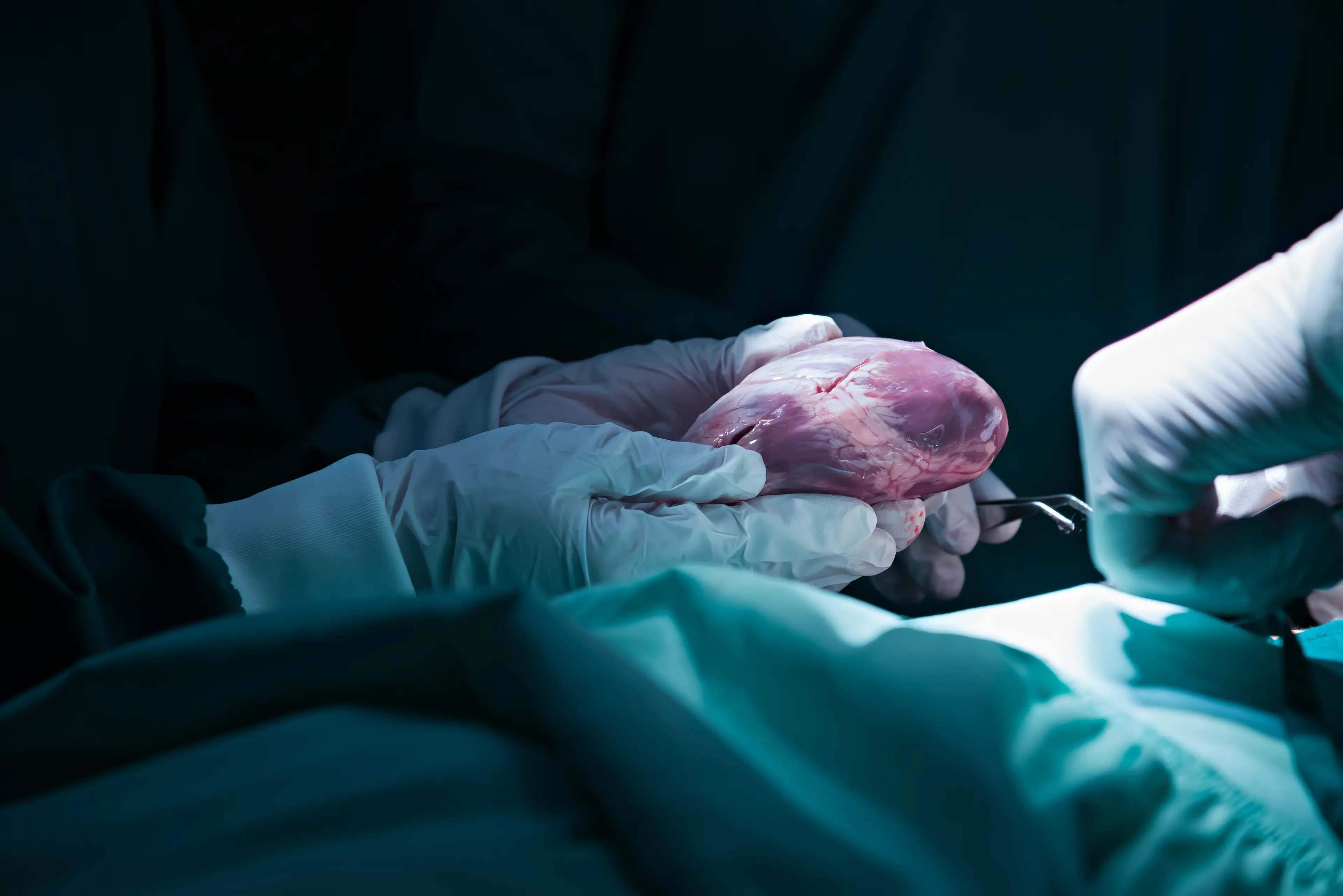
“If we can create a non-sentient, headless bodyoid for a human being, that will be a great source of organs.”
R3 CEO Gilman told wired that they have developed the systems to start making headless mice, but are yet to implement the technology.
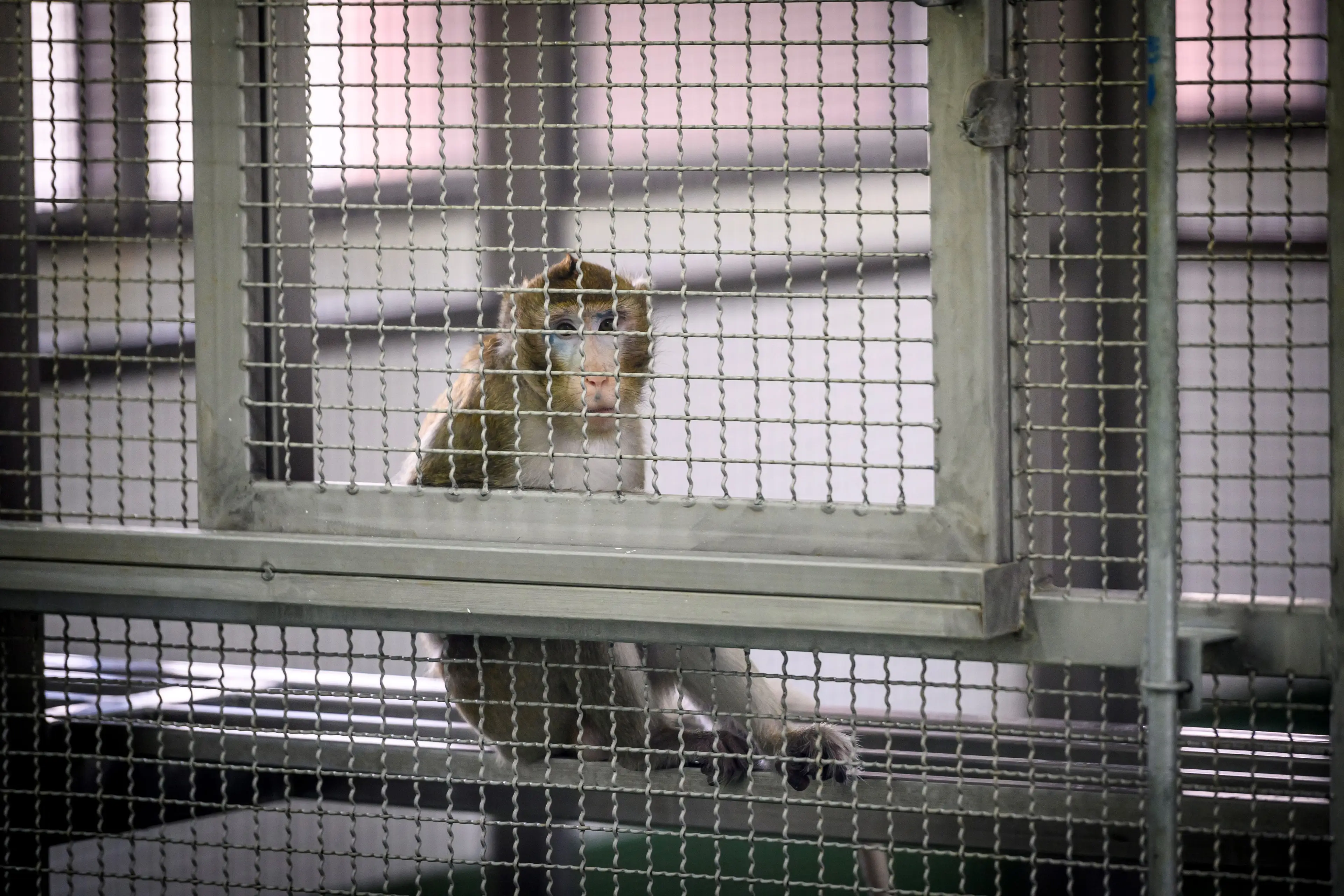
Though, once they do, the company's aim is to move onto primates and remove around 60,000 of our close relatives from the labs and cages of scientific research firms around the world.
“The benefit of using models that are more ethical and are exclusively organ systems would be that testing can be meaningfully more scalable,” said Gilman. And this is true for the human bodyoids too.
Not only do the scientists hope that these lab-grown headless humans would solve the problems of organ donation, but they also hope that their innovation would make testing at large more accurate as it would be able to skip the animal-based study stage and go straight to plying human organ sacks with experimental drugs.
Gilman wrote in a blog about the new technology: “The human body is not a collection of parts; it’s a system. We can’t keep studying diseases in pieces and hoping the results will scale.
"Whether we’re testing new drugs, mapping rare disorders, or training AI models, the biology we use needs to reflect the biology we live with.”
She went on to explain how the technology her company is developing needed to be scaled up to become a new nationwide model for testing, adding: “That means funding it like a public good, validating it like a regulatory standard, and building it with the urgency of a moonshot.”
Topics: Science, Health, Technology
 William Morgan