unilad homepage
unilad homepage
  • News
    • UK News
    • US News
    • World News
    • Crime
    • Health
    • Money
    • Sport
    • Travel
  • Music
  • Technology
  • Film and TV
    • News
    • DC Comics
    • Disney
    • Marvel
    • Netflix
  • Celebrity
  • Politics
  • Advertise
  • Terms
  • Privacy & Cookies
  • LADbible Group
  • LADbible
  • SPORTbible
  • GAMINGbible
  • Tyla
  • UNILAD Tech
  • FOODbible
  • License Our Content
  • About Us & Contact
  • Jobs
  • Latest
  • Archive
  • Topics A-Z
  • Authors
Facebook
Instagram
X
Threads
TikTok
YouTube
Submit Your Content
Just one hour of doomscrolling in bed can have devastating consequences on your health
Home>News>Health
Updated 19:54 31 Mar 2025 GMT+1Published 19:55 31 Mar 2025 GMT+1

Just one hour of doomscrolling in bed can have devastating consequences on your health

You might want to just put the phone down and go to bed

Gerrard Kaonga

Gerrard Kaonga

google discoverFollow us on Google Discover
Featured Image Credit: Getty Images/Dmitrii Marchenko

Topics: Health, News, Sleep, Technology, Phones

Gerrard Kaonga
Gerrard Kaonga

Gerrard is a Journalist at UNILAD and has dived headfirst into covering everything from breaking global stories to trending entertainment news. He has a bachelors in English Literature from Brunel University and has written across a number of different national and international publications. Most notably the Financial Times, Daily Express, Evening Standard and Newsweek.

Advert

Advert

Advert

A new study has explained why late night doomscrolling isn’t doing any favors for your health.

Since phones are now an every day piece of tech that we all use, sometimes it can be hard to know exactly when to put it down.

Most people tend to have their phone on them at all times and rarely go more than a few minutes without doing something with the handy gadget.

However, a new Norway study has found that late night use isn’t ideal for people’s health.

Advert

So, you might want to cut back that bedtime doom scrolling for hours before you actually put your phone down.

A survey of 45,202 young adults in Norway have discovered that using a screen in bed drives up your risk of insomnia up by 59% and cuts your sleep time by 24 minutes.
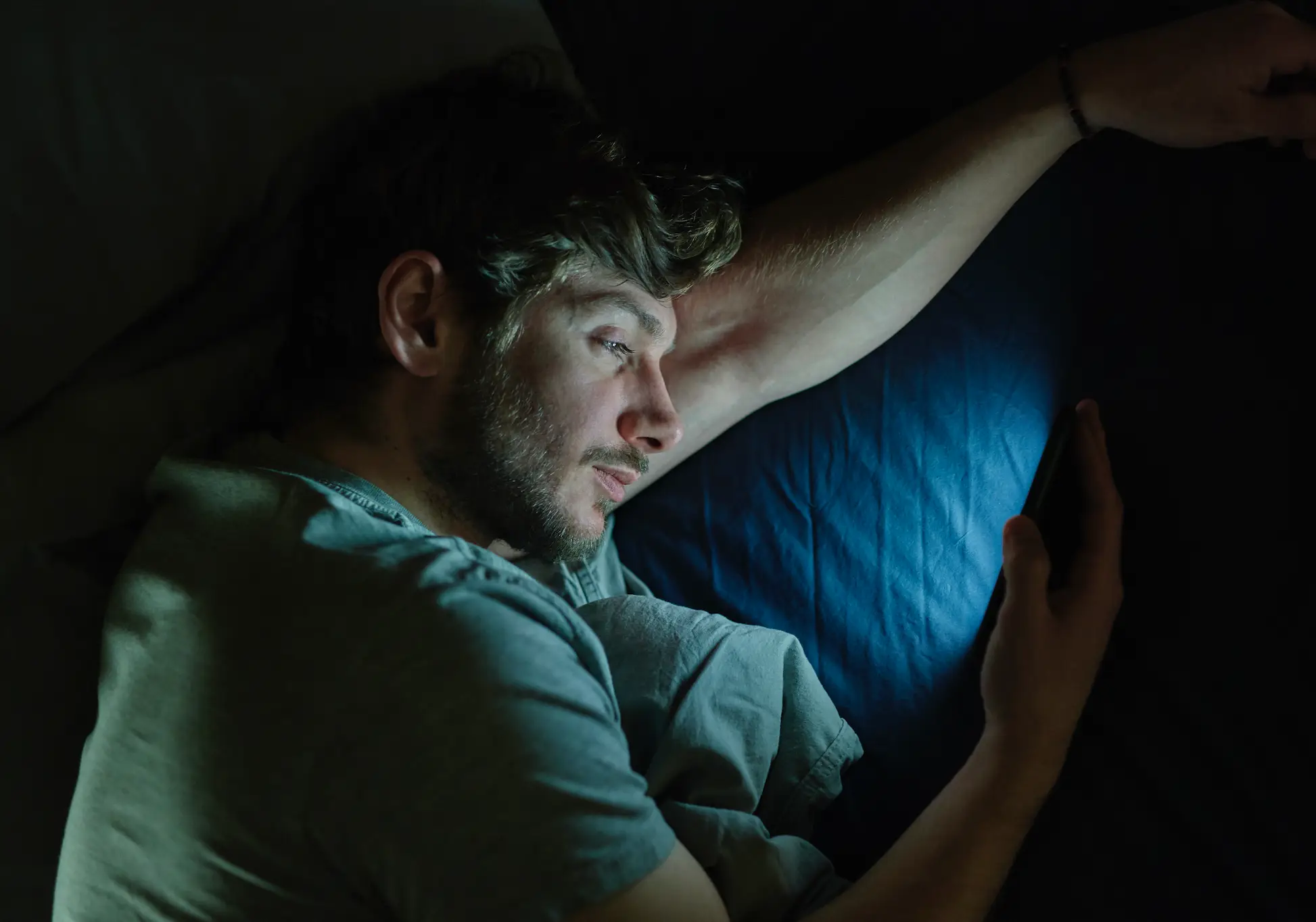
Yeah... so this isn't good for you (Getty Stock Image)

But social media wasn’t the root cause here, as the study found that simply using the screen was the greatest issue.

Dr Gunnhild Johnsen Hjetland of the Norwegian Institute of Public Health, lead author of the article in Frontiers in Psychiatry commented about the study.

They said: “The type of screen activity does not appear to matter as much as the overall time spent using screens in bed.

“We found no significant differences between social media and other screen activities, suggesting that screen use itself is the key factor in sleep disruption — likely due to time displacement, where screen use delays sleep by taking up time that would otherwise be spent resting.”

A press release also explained how screen use ultimately negatively impacts a person’s sleep. It stated: “Notifications disturb sleep, screen time replaces sleeping time, screen activities keep you wakeful so you take longer to fall asleep, or light exposure delays circadian rhythms.”
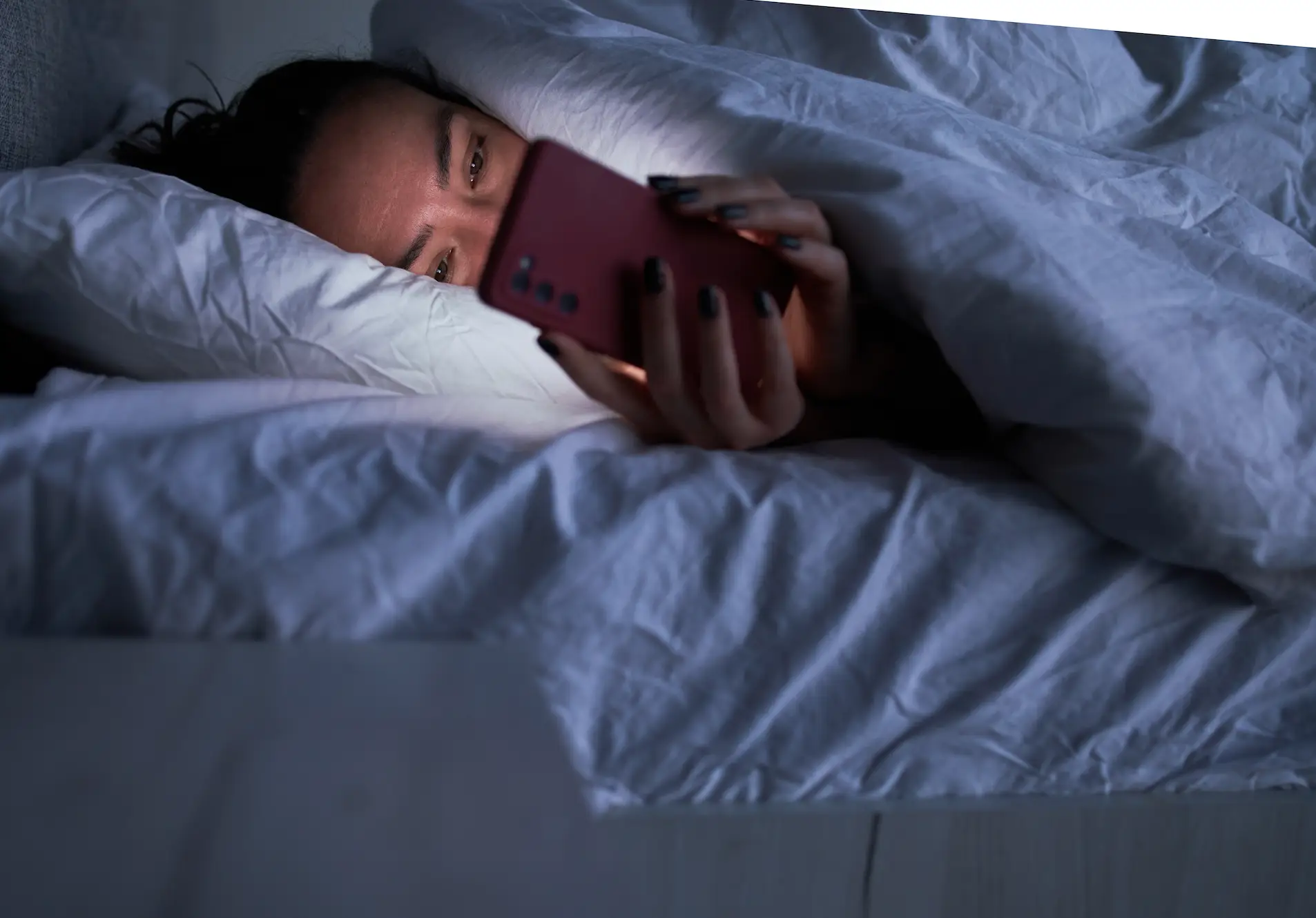
Put it down and go to bed (Getty Stock Image)

Not exactly groundbreaking conclusions, but its good to have your initial assumptions about disrupted sleep ratified by experts.

Beyond this, Hjetland also noted it was important to not just focus on decreasing late-night screen time for young people, as adults are also at risk of ruining their sleep.

He continued: “Sleep problems are highly prevalent among students and have significant implications for mental health, academic performance, and overall well-being, but previous studies have primarily focused on adolescents.

“Given the widespread use of screens in bed we aimed to explore the relationship between different screen activities and sleep patterns. We expected that social media use might be more strongly associated with poorer sleep, given its interactive nature and potential for emotional stimulation.”

Choose your content:

11 hours ago
12 hours ago
  • Instagram/doctoramirkhan
    11 hours ago

    Doctor reveals the simple ABCDE check that could 'save your life'

    Melanoma is one of the most common cancers - knowing what to look for on your skin could make all the difference

    News
  • Poverty To Paradise
    11 hours ago

    American woman living permanently on cruise ship reveals 'dark side' of life at sea

    Lynnelle sold everything to live solo on cruise ships

    News
  • Department of War
    11 hours ago

    Pentagon releases shocking new UFO footage with 'orbs being hatched' and CIA on high alert

    The Pentagon has just released shocking new UFO footage, including orbs 'being hatched' from larger objects

    News
  • Getty Stock Images
    12 hours ago

    Harvard details four concerning side effects of intermittent fasting that everyone should be aware of

    It's one of the most popular diets on the planet, but Harvard Medical School says there are some serious risks people aren't talking about

    News
  • Virus that infects almost all Americans can trigger devastating health condition
  • Woman who charged iPhone to 80% every day for a year reveals impact it had on battery health
  • There's a reason why your iPhone doesn't always have the option to decline calls
  • Experts warn about the horrifying impact your sleep position could be having on your body