Doctor addresses 'Cicada' Covid variant that's spreading across the US

The Centers for Disease Control and Prevention (CDC) has confirmed a new Covid variant is spreading across the world, and the US isn’t an exception.
It has been six years since the beginning of the COVID lockdown restrictions that took place in many countries around the globe.
With people being told to separate from their friends and families for a number of years, things only began to feel normal again when the variants got weaker and weaker.
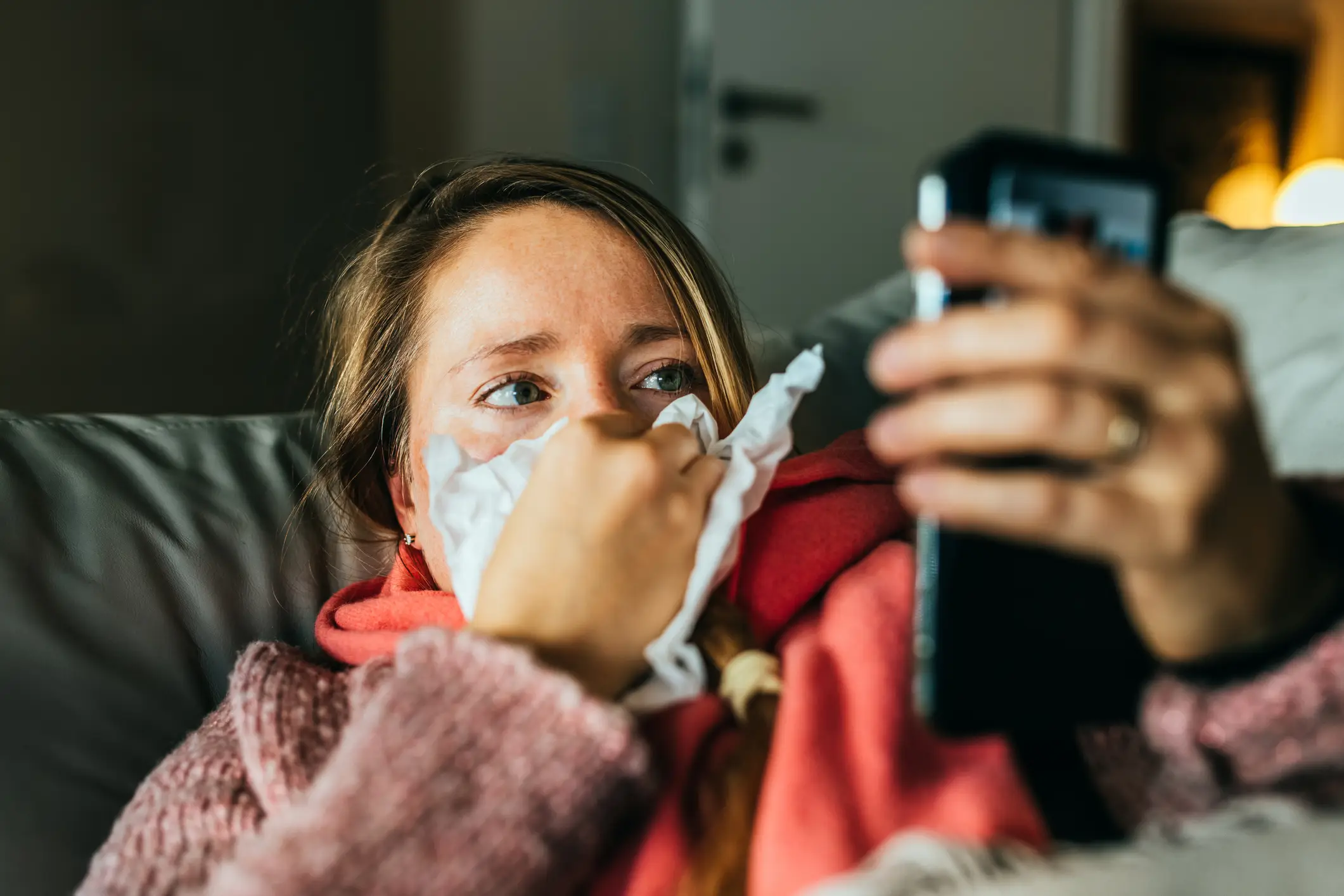
However, now that the CDC has shared its update on SARS-CoV-2 variant BA.3.2 on March 19, the 'highly divergent' variant has received an update after quickly spreading since its first detection in Africa on November 22, 2024.
Advert
Now, it has been found in as many as 23 countries as of February 2026.
A doctor has revealed everything you need to know about the variant dubbed ‘Cicada’, as cases continue to rise. Kyle Enfield, a pulmonary and critical care doctor, explained what we know so far in an article for The Independent.
How was BA.3.2 first identified?
BA.3.2 is descended from the omicron variant, which was first seen in late 2021.
In its statement, the CDC said Cicada was noticed in South Africa after a five-year-old boy was swabbed for the virus.
Since then, the multimodal SARS-CoV-2 genomic surveillance approach has connected it to more and more nations as the years went on.
Months after its initial finding, it was then discovered in the US, when the CDC reported a passenger at the San Francisco International Airport in California, has carried it over from the Netherlands on June 27, 2025.
What is the difference between variant BA 3.2 and past strains?
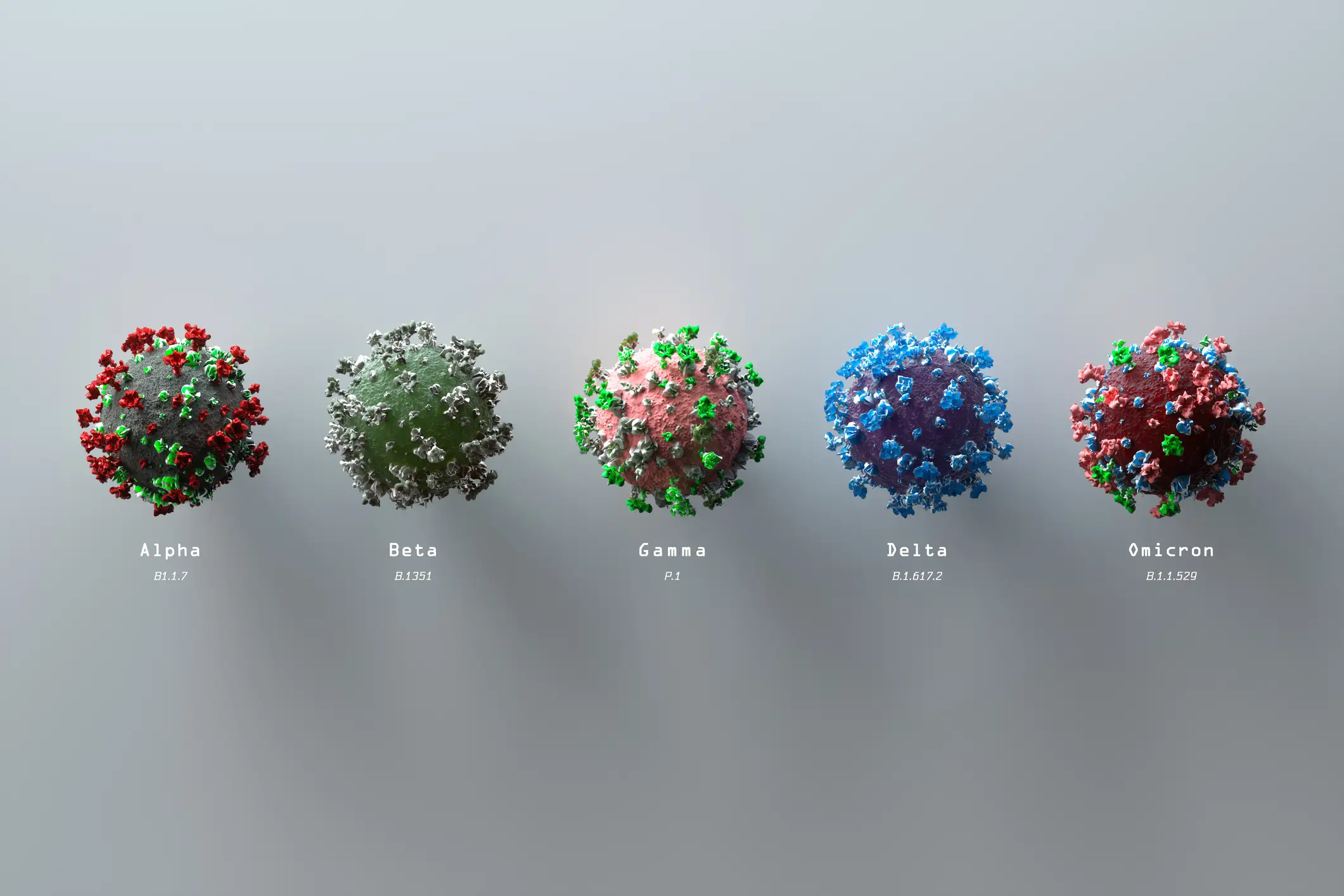
Unlike the JN.1 strains that the vaccines have been primed to recognize in a person’s system, the cicada version may evade detection entirely because of how different it is to other variants.
However, Dr Enfield wrote that it doesn’t mean you shouldn’t be vaccinated, as ‘a large body of evidence shows that they reduce hospitalizations and deaths from COVID-19'.
He added: “But a poorly matched vaccine simply won’t recognize the new variant as quickly, which means it takes longer for the immune system to mount its defense.”
He went on to say that ‘given that current vaccines may not be as effective against it, protection remains important', adding: “That’s particularly true for people with chronic health conditions, who can experience severe illness from a COVID-19 infection.
“And while the number of people who develop long COVID has declined as the virus has changed since early in the pandemic, it still occurs in about 3 in 100 cases.”
Why is the new Covid variant called Cicada?
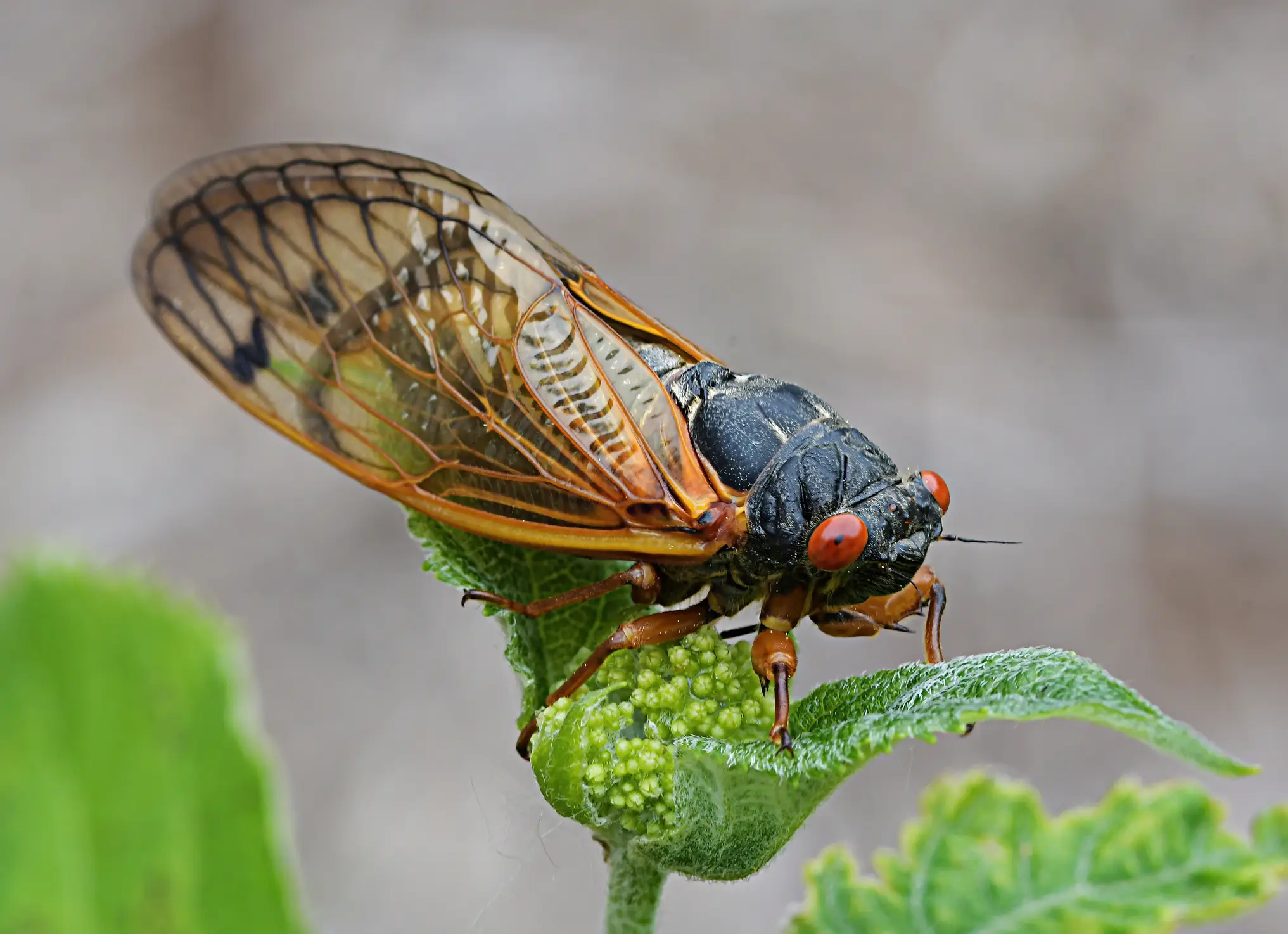
The latest variant of Covid has been nicknamed ‘cicada’ after the insect native to many climates in the world that are identifiable by their unique pattern.
Like the cicada, the Covid variant went dormant until resurfacing, like the insect’s periodical lifecycle.
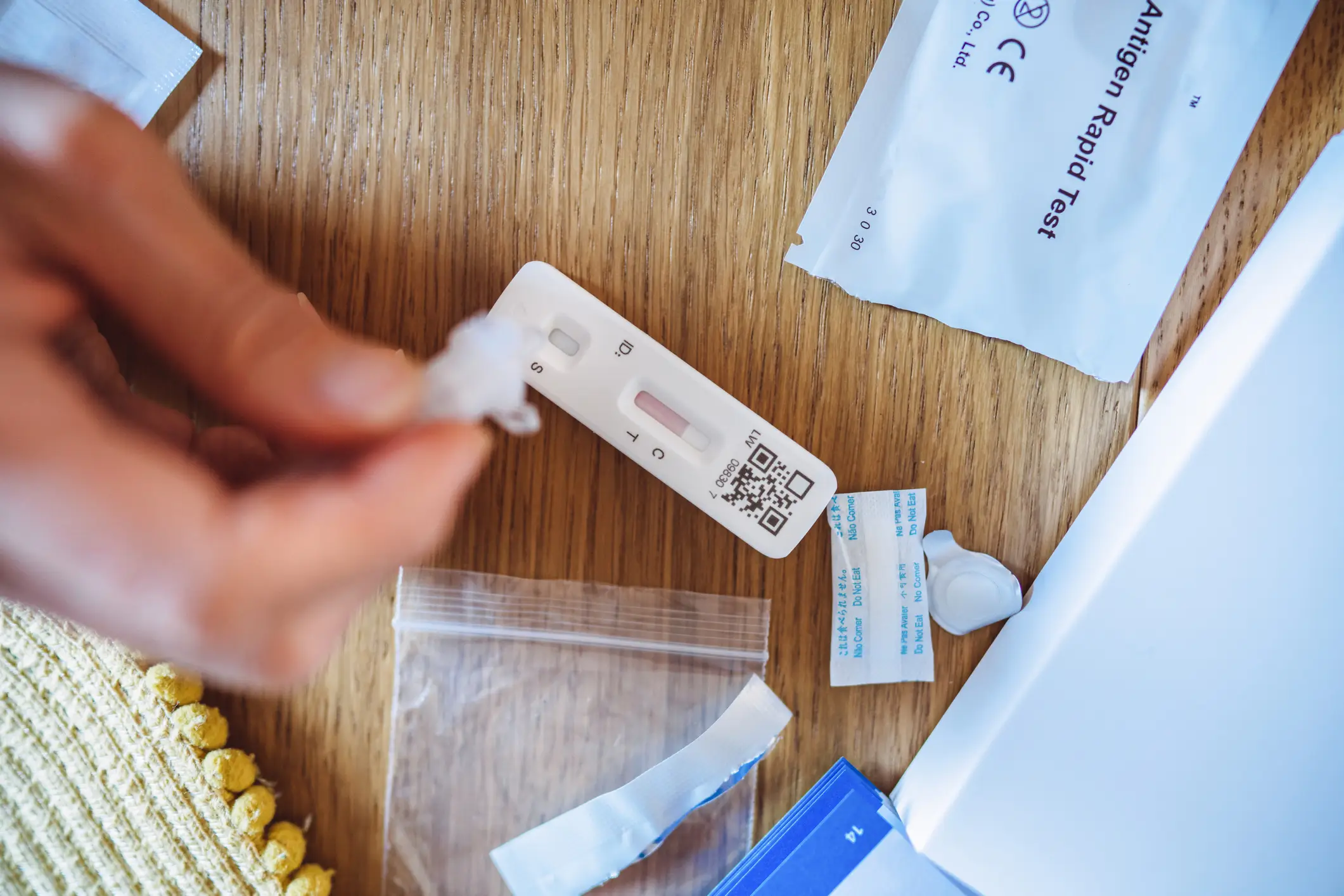
How many people in the US have BA.3.2 now?
After first detected case in South Africa, BA.3.2 has been seen in places like Mozambique, the Netherlands, Germany, and the US.
When it comes to the States, the CDC's report up to February 11, 2026, found the variant in 25 States via self-collected, voluntary nasal swabs from four US travelers, as well as clinical samples from five patients,132 wastewater surveillance samples from 25 states, and three samples from airplane wastewater.
How do you protect yourself from BA.3.2?
Like most of the variants, symptoms of this Covid type include fever or chills, a cough, shortness of breath or difficulty breathing, as well as a sore throat, congestion or runny nose, the loss of taste or smell, fatigue, muscle or body aches, developing a headache, and having nausea or vomiting and diarrhea.
Per the doctor, keeping yourself safe from this new strain requires due diligence and strict hygiene practices.
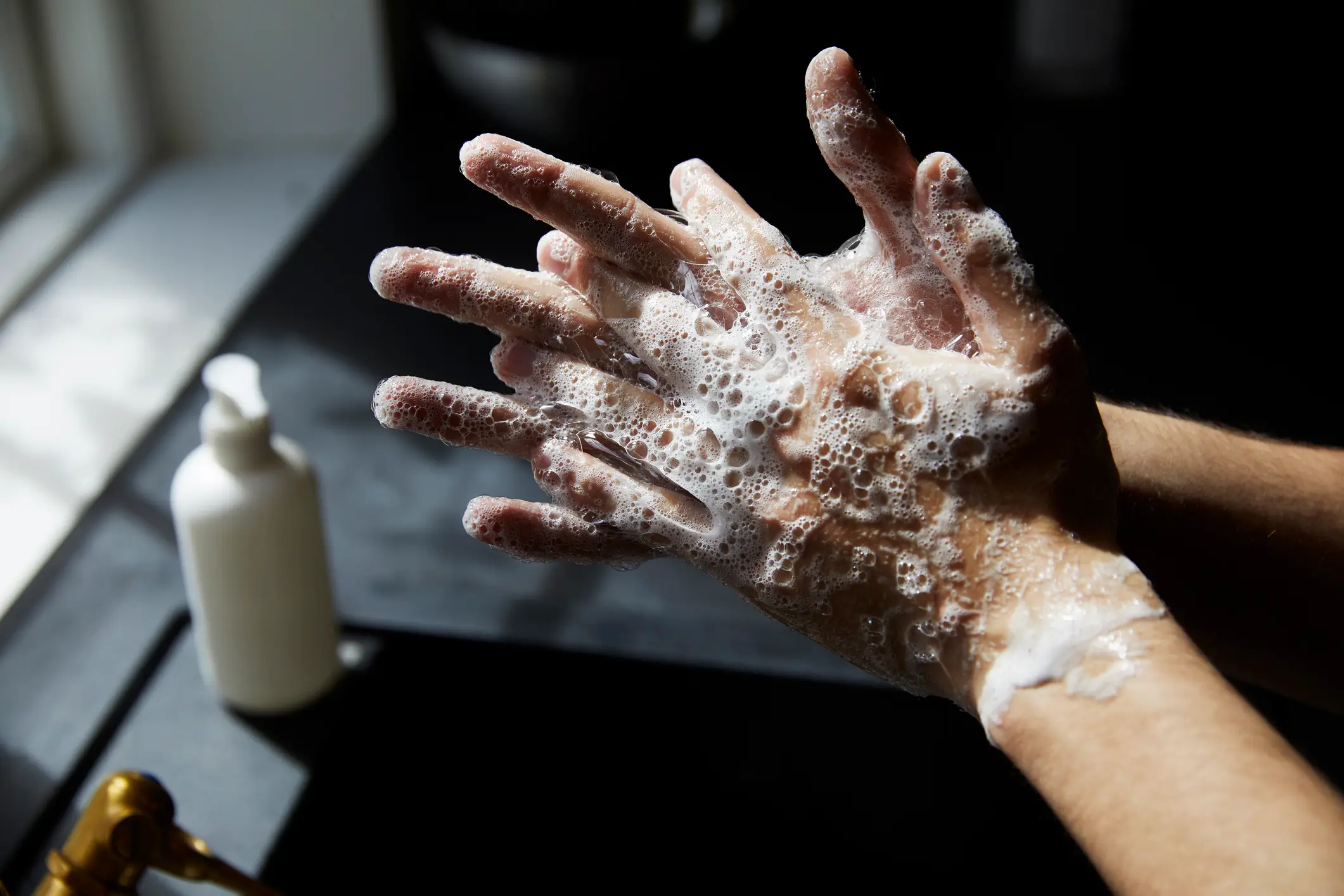
He wrote that ‘people can take these commonsense steps to avoid getting or spreading’ the disease, including things like washing your hands after using the bathroom, ‘before preparing food or eating, and after being in contact with a sick person’.
This is because he claims that ‘hand-washing decreases the chance of a respiratory infection by 16% to 21%.'
“Second, if you feel unwell, stay home – not just to take care of yourself, but to prevent spreading disease. You may be hesitant to miss work or school, but the person sitting next to you might have a condition, such as cancer or chronic lung disease, that puts them at risk for severe infection, or they might live with someone who does,” the doctor recommended. “Third, get outside. Reducing your time in crowded environments reduces your chance of exposure.”
Lastly, he said that if you’re worried about contracting it due to your own health conditions, talking to a healthcare professional could provide you with advice on how to further protect yourself.
 Britt Jones