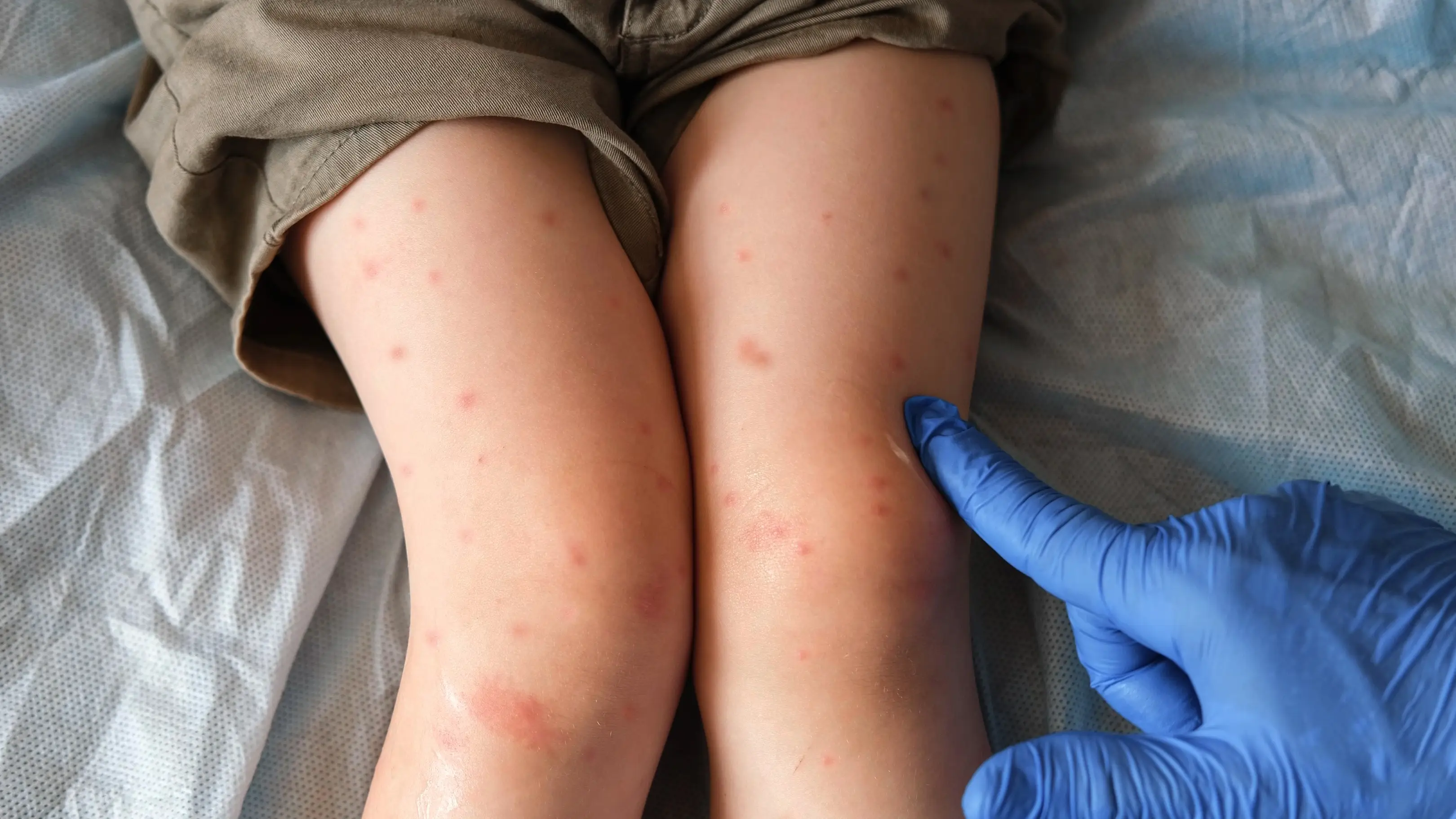
Child's death reveals how measles side effect in brain could be fatal years later

The tragic death of a seven-year-old from a brain condition caused by measles has demonstrated the disease can be fatal years later.
It's already been confirmed that more than 1,000 cases of measles has been reported in the US so far this year, while the back end of 2025 saw staggering numbers of the disease.
While there is a vaccination for measles, not all children are taking it up and it's believed about one in five minors who get measles end up in hospital.
And even those who make a full recovery from measles could face health issues in the future, evident through the tragic story of a seven-year-old child who died at Children’s Hospital of Orange County in California.
Advert
The young child had contracted measles when he was just seven months old and his family thought he had made a full recovery. However, the minor began experiencing cognitive deterioration and seizures when he reached the age of six, with doctors diagnosing him with subacute sclerosing panencephalitis (SSPE).
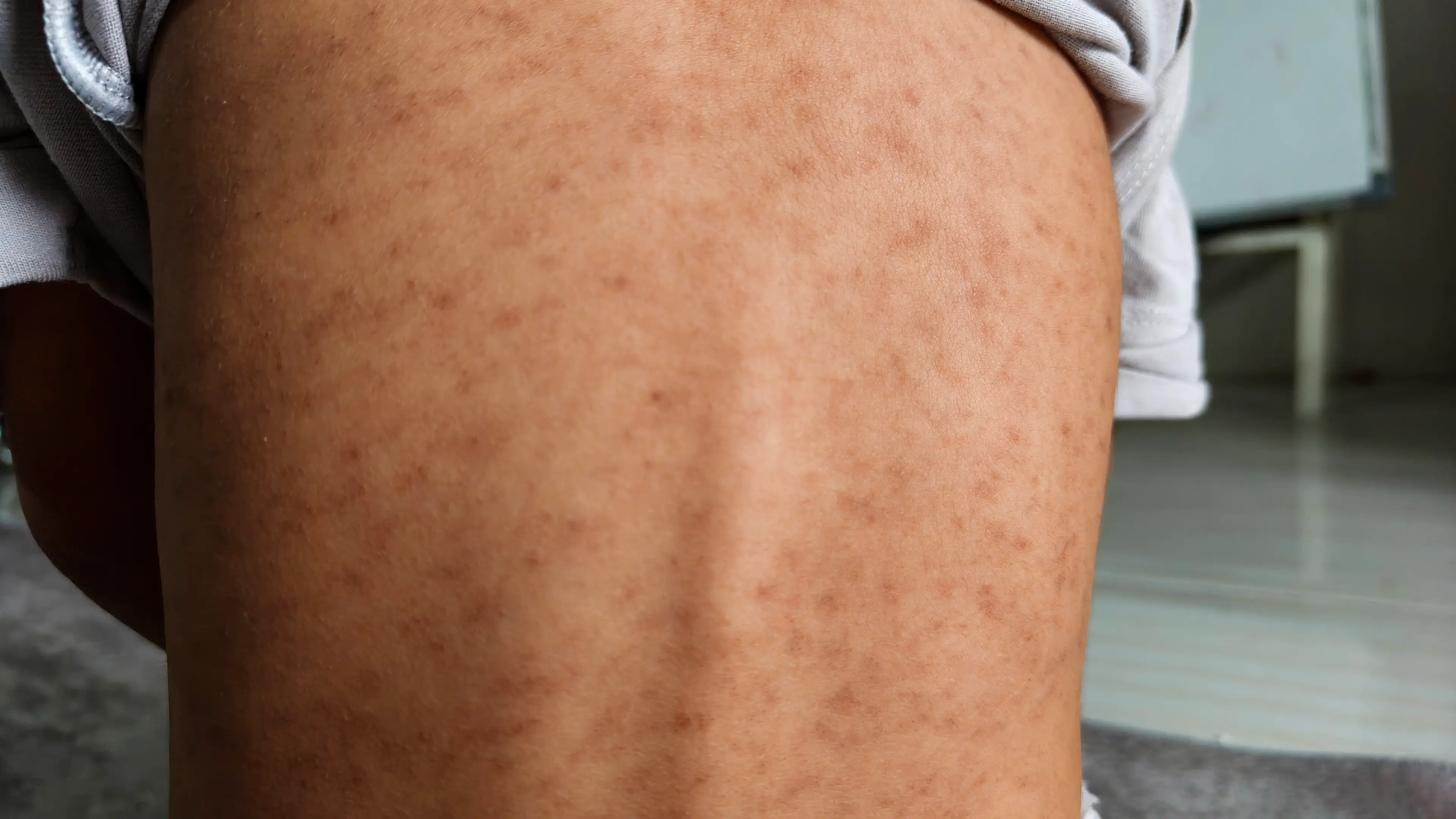
While measles will often present symptoms such as a common cold, a rash and high fever at the start, the virus can persist in the body for a number of years after initial exposure.
Certain mutations of the disease can lead to SSPE years later.
Speaking of the illness, Dr. Sharon Nachman told the New York Post: "The measles is sort of sitting around in your brain and causing, on the cellular level, changes that sit there quietly.
"You could have had your measles as a 2-year-old, and now you’re in college, and all of a sudden your brain falls apart and you have no future."
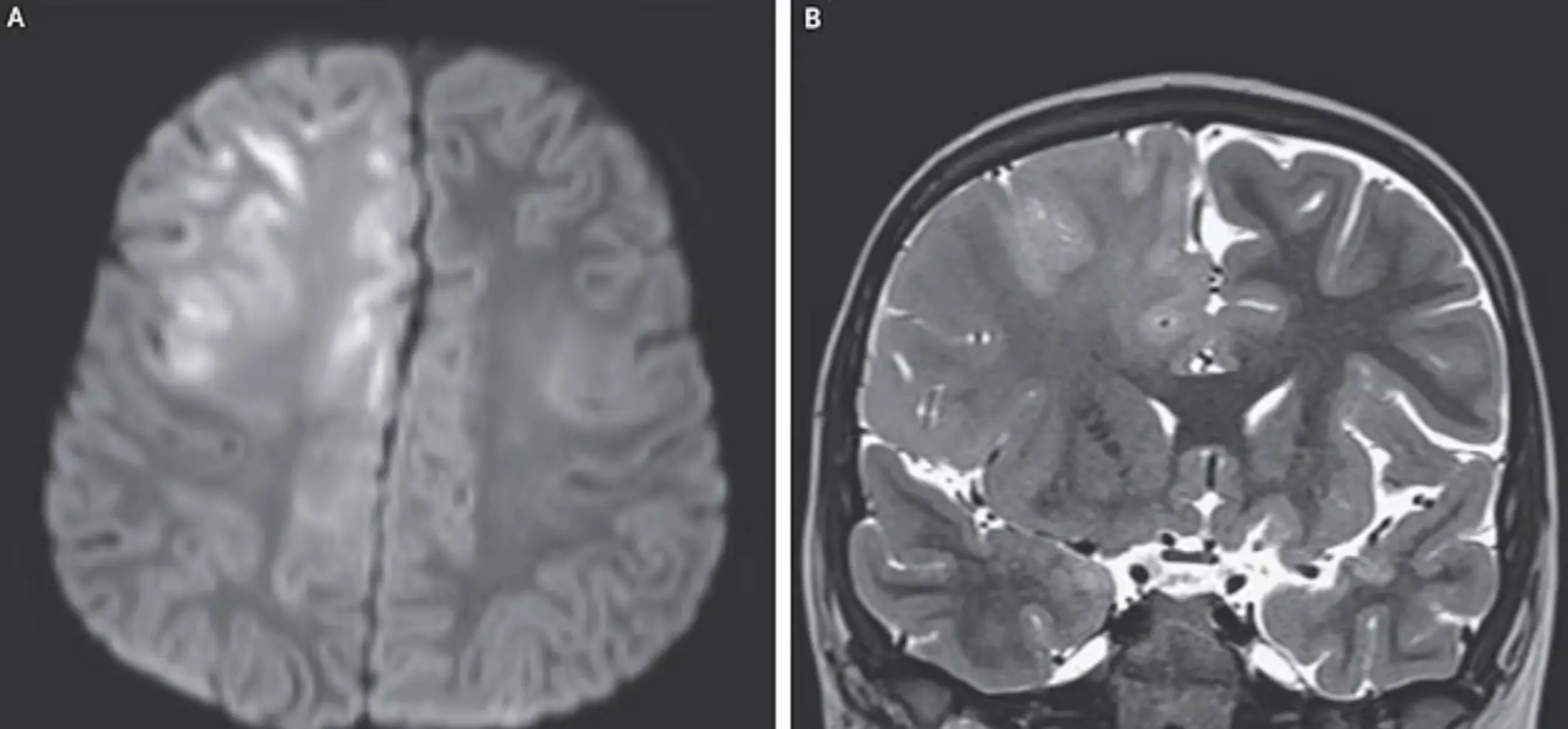
It's worth noting that SSPE is extremely rare and occurs in about one per 50,000 cases of measles.
Encephalitis International explains how SSPE typically starts between six and eight years after a measles infection, and is 'related to destruction of the infected brain cells'.
While there is no cure for SSPE, drugs can help slow down the disease and prolong life.
The Encephalitis website explains: "Death is usually caused by pneumonia. Very rarely SSPE comes on more quickly and progresses more rapidly, particularly if measles is caught by the infant around the time of birth. SSPE can also be rapid if it appears in a mother during her pregnancy."
Three measles-related deaths were reported in the US last year, while it remains unclear if the seven-year-old who died was vaccinated.
 Callum Jones