unilad homepage
unilad homepage
  • News
    • UK News
    • US News
    • World News
    • Crime
    • Health
    • Money
    • Sport
    • Travel
  • Music
  • Technology
  • Film and TV
    • News
    • DC Comics
    • Disney
    • Marvel
    • Netflix
  • Celebrity
  • Politics
  • Advertise
  • Terms
  • Privacy & Cookies
  • LADbible Group
  • LADbible
  • SPORTbible
  • GAMINGbible
  • Tyla
  • UNILAD Tech
  • FOODbible
  • License Our Content
  • About Us & Contact
  • Jobs
  • Latest
  • Archive
  • Topics A-Z
  • Authors
Facebook
Instagram
X
Threads
TikTok
YouTube
Submit Your Content
Food colouring that studies claim causes cancer could finally be banned in the USA
Home>News>Food & Drink
Published 10:04 10 Dec 2024 GMT

Food colouring that studies claim causes cancer could finally be banned in the USA

10 US states are already moving to ban the additive

Ellie Kemp

Ellie Kemp

google discoverFollow us on Google Discover
Featured Image Credit: Getty Images/IMAGINESTOCK/Getty Images/PaoloBis

Topics: Cancer, Food and Drink, Health, Science

Ellie Kemp
Ellie Kemp

Ellie joined UNILAD in 2024, specialising in SEO and trending content. She moved from Reach PLC where she worked as a senior journalist at the UK’s largest regional news title, the Manchester Evening News. She also covered TV and entertainment for national brands including the Mirror, Star and Express. In her spare time, Ellie enjoys watching true crime documentaries and curating the perfect Spotify playlist.

X

@EllieKempOnline

Advert

Advert

Advert

The US is one step closer to banning a food dye that studies say may cause serious health problems, including cancer.

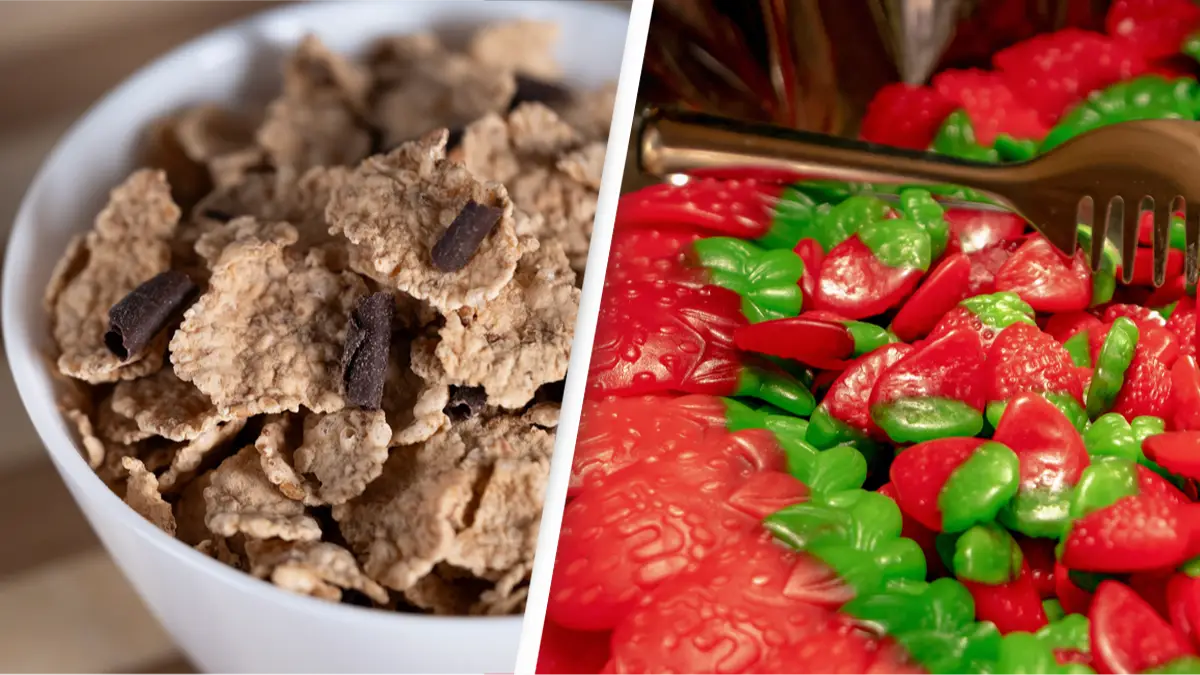
The Food and Drug Administration (FDA) could ban the coloring, commonly found in soda, snacks, cereals, and candy.

Called Red 3, it's made from petroleum and gives food and beverages a bright, cherry red color.

Personally, neon-colored foods scare me - they don't exactly look natural. Although, as a child, I definitely ate my fair share of bright candies...

Advert
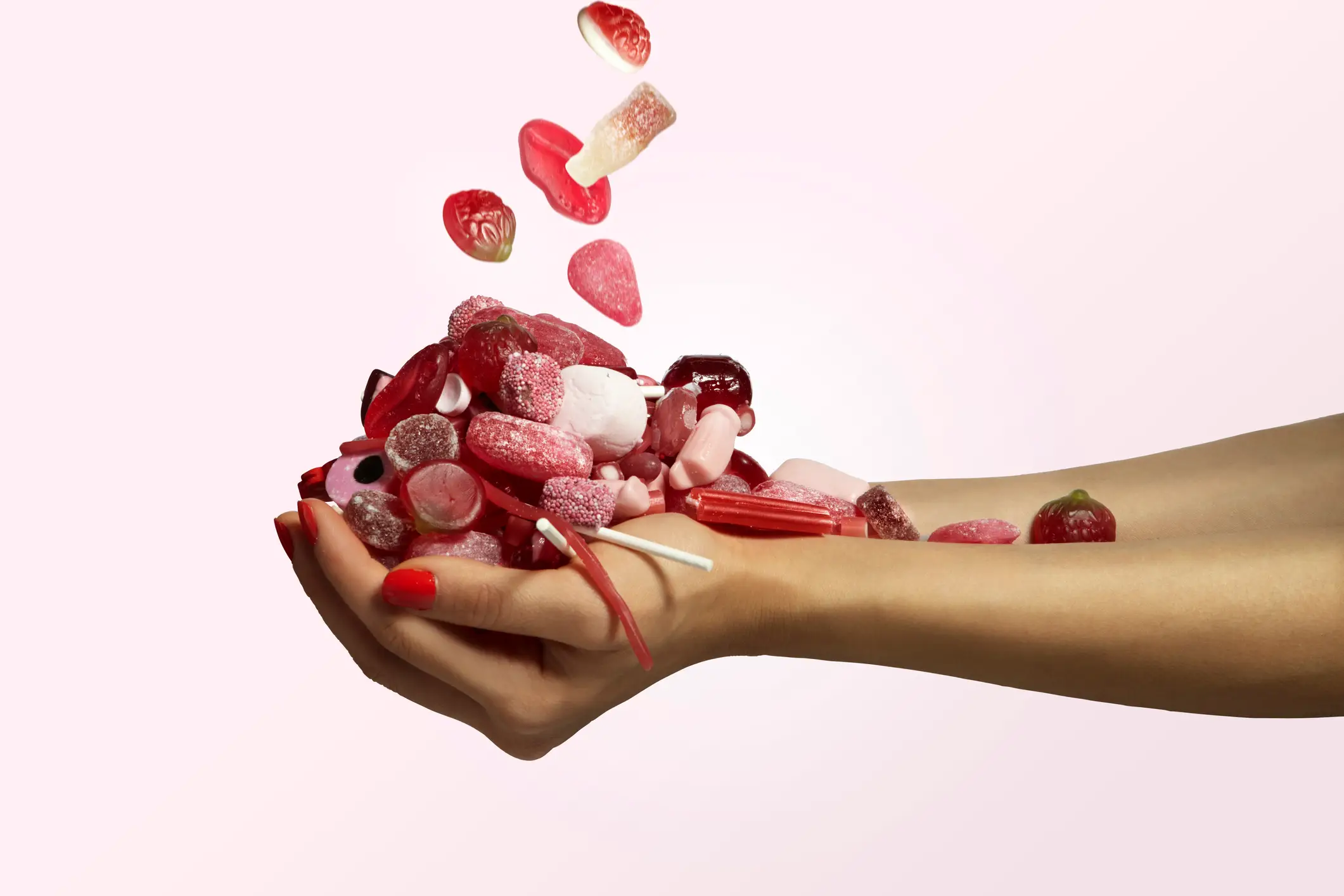
Red 3 gives sweets its bright red color (Paper Boat Creative)

Countries in Europe, Asia, and Australasia, including the UK, Japan, China, Australia, and New Zealand, have already banned the additive.

Meanwhile, the US banned Red 3 in cosmetics back in 1990 - and California became the first state to ban it as a food additive in 2023.

Ten states - Washington, South Dakota, Missouri, Illinois, New York, New Jersey, Pennsylvania, Rhode Island, Maryland, and West Virginia - have introduced their own legislation to restrict the use of the additive.

Jim Jones, the FDA’s deputy commissioner for human foods, said it’s been over a decade since the safety of the synthetic color additive Red No. 40 has been re-evaluated.

Speaking at the Senate Health, Education, Labor and Pensions Committee meeting last week, he said: "With Red 3, we have a petition in front of us to revoke the authorization board, and we’re hopeful that in the next few weeks we’ll be acting on that petition."
The additive has been claimed to be linked to thyroid cancer (Kinga Krzeminska/Getty Images)

House Energy and Commerce Committee ranking member Frank Pallone Jr urged: "With the holiday season in full swing where sweet treats are abundant, it is frightening that this chemical remains hidden in these foods that we and our children are eating.

"While food companies must ensure that the food they market is safe, they are also only required to ensure that their products meet FDA’s standards. This means that thousands of products that contain this chemical can remain on the market.”

Research has suggested that Red 3 may cause cancer, with long-term animal feeding studies indicating that it causes 'adenomas and carcinomas of the thyroid gland'.

It may also contribute to hyperactivity in children, which is thought to be linked with attention deficit hyperactivity disorder in children.

And Red 3 isn't the only potentially dangerous food dye still used in the US.

According to the National Institute of Health, there is evidence that several other dyes also are carcinogenic, including Yellow 5, and Yellow 6, which have been found to be contain benzidine or other carcinogens.

Meanwhile, at least four dyes - Blue 1, Red 40, Yellow 5, and Yellow 6 - cause hypersensitivity reactions.

Choose your content:

12 hours ago
13 hours ago
  • Shawn Thew/EPA/Bloomberg via Getty Images
    12 hours ago

    Warning issued to fans as Trump plans to attend NBA finals game in New York City

    The President previously 'trolled' fans who couldn't afford to attend Madison Square Garden

    News
  • Instagram/@doctoramirkhan
    12 hours ago

    Doctor reveals 'most common' symptom he sees and when to seek help immediately

    The symptom can come in a variety of different forms

    News
  • NBC News
    12 hours ago

    Trump storms out of interview after being pressed on his claims of voter fraud and $1.8 billion 'slush fund'

    The president said he'd 'had enough' before ending the interview

    News
  • Drew Angerer/Getty Images
    13 hours ago

    JD Vance says Charlie Kirk's death influenced his wife to change decision on having another child

    Charlie Kirk was fatally shot at a rally at Utah Valley University last September

    News
  • Human biologist reveals serious warning for white bread that can be 'killing you slowly'
  • Doctor warns of food 'worse than smoking' that could be causing early death
  • 'Forever chemicals' hidden in certain air fryers may cause cancer, expert warns
  • People could claim up to $3,500 in Krispy Kreme's $1.6 million data breach settlement