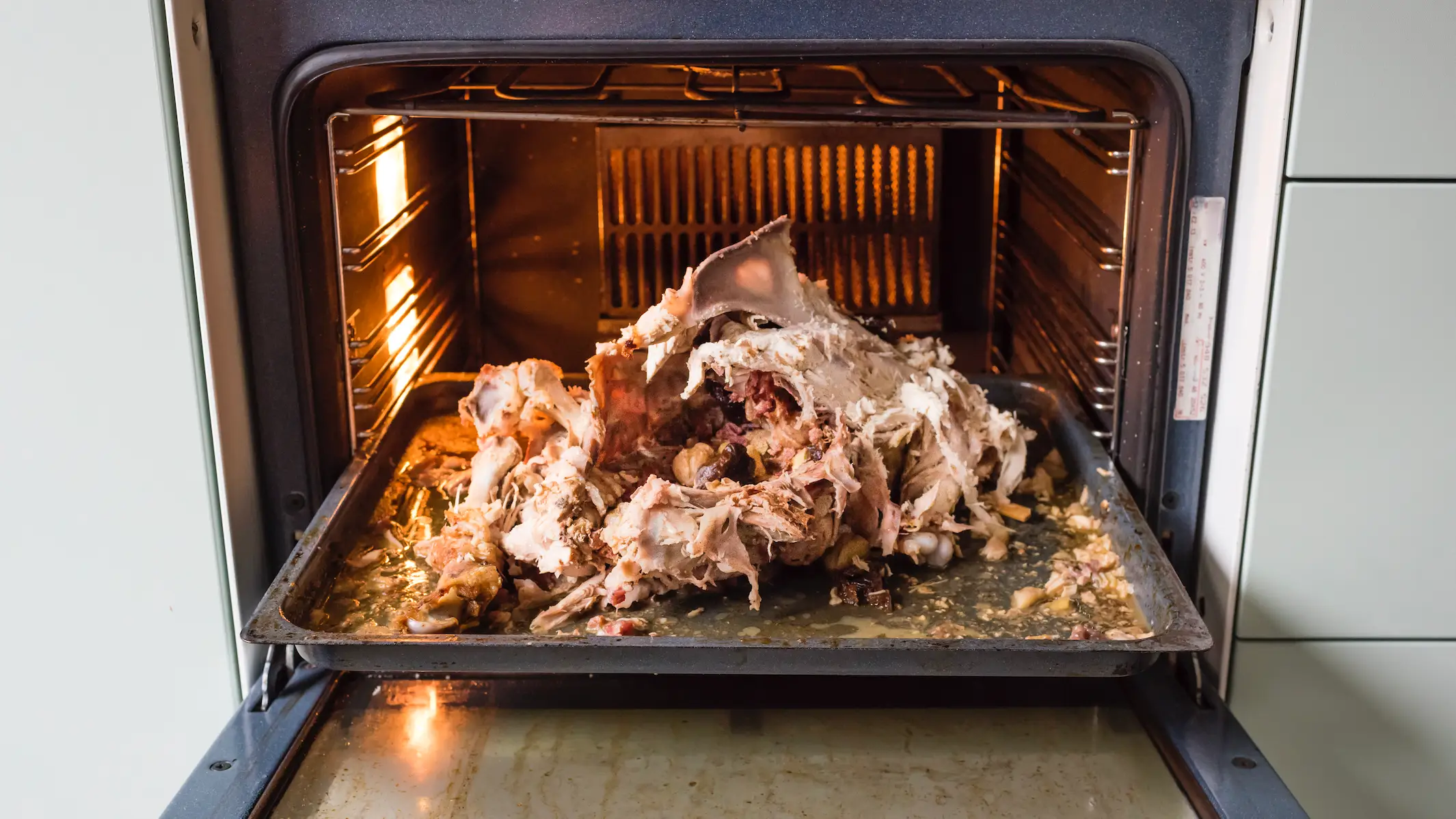
Food experts reveal exactly how long you can keep leftover turkey without risk of food poisoning

Food experts have given a big helping of advice to people on how safe it is to eat leftover food following Christmas meals and how to reduce the risk of food poisoning.
Christmas dinner is one of the highlights of the festive day and at this point, you would hope all of the food has found a wonderful new home in your belly.
But with that said, sometimes people are absolutely stuffed and belts can’t buckle anymore and you are left with a bunch of leftovers.
However, people have been warned of the risk of getting food poisoning if they don’t take proper care to preserve what they plan to eat later.
Advert
Food Standards Agency, the British agency responsible for food safety and hygiene in England and Wales and Northern Island, has spoken out on what people need to do when it comes to dealing with their leftovers.
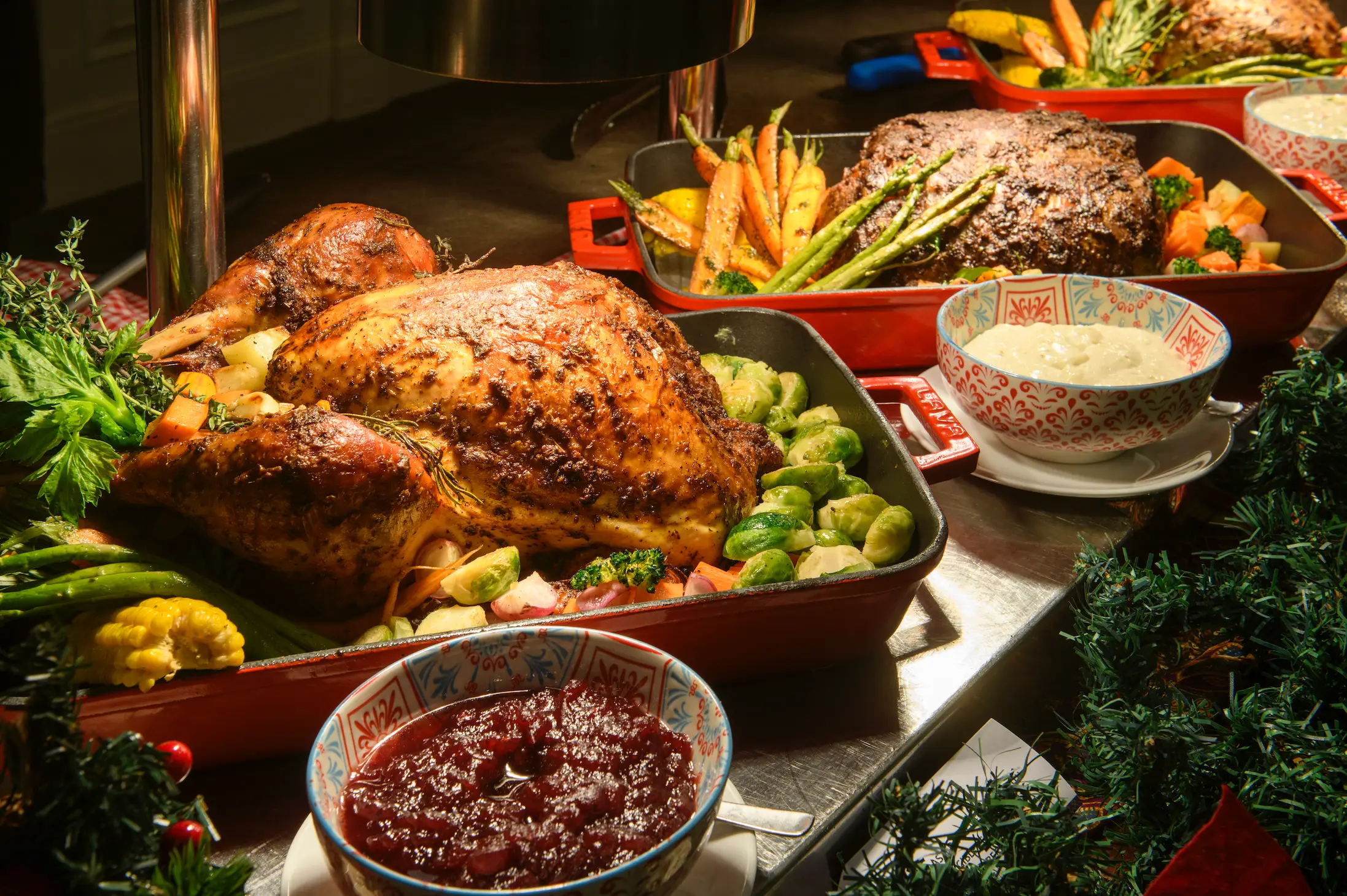
According to the agency, 'keeping Christmas dinner remains for more than two hours' or eating food that's been left out with no chilling is a major food poisoning risk.
They noted that people needed to be respect the use by dates and ultimately be cautious about leaving buffet food out in the open and eating it after more than four hours.
In the agency’s festive guidance, the FSA said: “Use-by dates are about safety, not quality. Don't eat food past its use by date.
“Keep it cold. Buffet food shouldn't sit out for more than four hours.”
Failure to do so, can result in increasing the likelihood of encouraging the rapid reproduction of harmful bacteria like salmonella and campylobacter.
And unless you want to spend some of the Christmas break in the bathroom with diarrhoea or a need to vomit, it might be worth taking extra care.
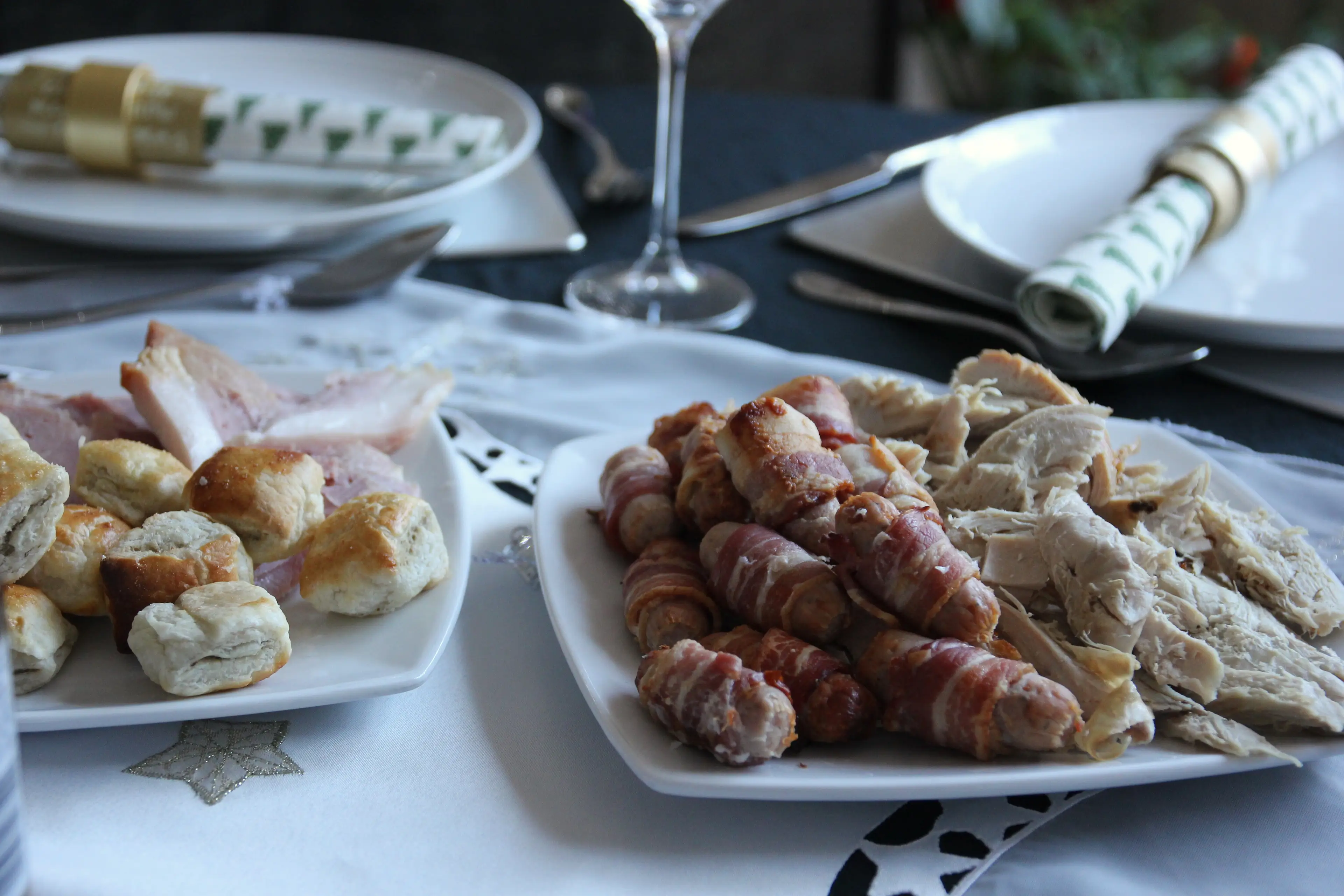
The FSA even spoke specifically about one of the most popular Christmas dinner items, Turkey, and how to store it and how to keep the risk of food poisoning low.
The agency advised that cooked turkey can actually be frozen and stored for a lengthy period of time, up to six months. However, once it is taken out to be thawed, it should be eaten within 24 hours and cannot be refrozen.
For those to wishing to cook some of the food that wasn’t cooked and eaten over Christmas the agency reiterated the importance of correct thawing and cooking at high temperatures to kill any and all bacteria.
Topics: Christmas, Food and Drink, News, US News, UK News, Health
 Gerrard Kaonga