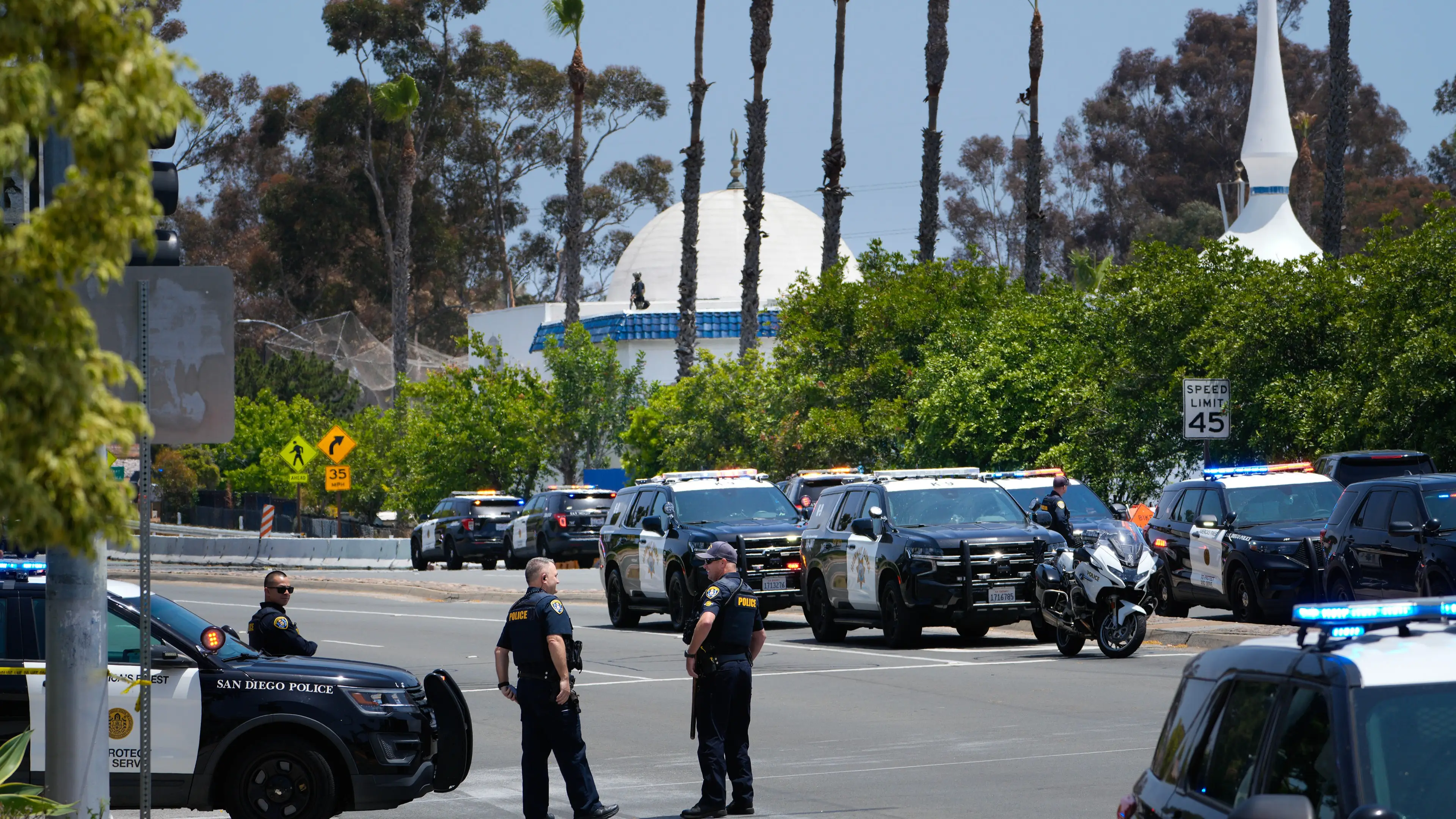
San Diego mosque shooter Caleb Vazquez's family break silence as they share suspected cause of attack

The family of 18-year-old Caleb Vazquez, one of two teenagers who killed three men at the Islamic Center of San Diego, says their son's descent into extremism was fuelled by hateful content he encountered online.
Vazquez, 18, and 17-year-old Cain Clark stormed the mosque on Monday, opening fire and killing three men before fleeing in a white BMW.
The pair livestreamed the entire attack. Clark shot Vazquez in the head twice before turning the weapon on himself.
In a statement release through attorney Colin Rudolph, Vazquez's family said: "We want to begin by acknowledging that nothing we say or do could ever repair the damage his actions have caused.
Advert
"We are completely heartbroken and devastated by what has happened. We condemn these hateful and violent actions entirely."
Who died in the San Diego mosque attack?
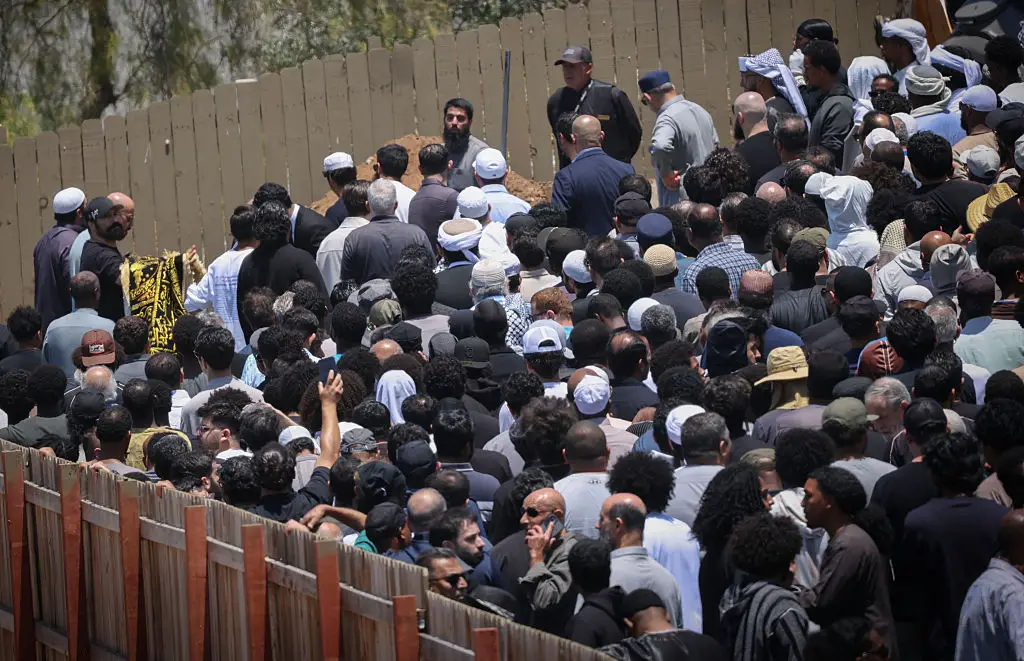
The three victims, security guard Amin Abdullah, 51, teacher Nadir Awad, 57, and mosque caretaker Mansour Kaziha, 78, were honoured at a prayer service held at Snapdragon Stadium on the San Diego State University Mission Valley Campus, with hundreds of mourners gathering to pay their respects.
Mourners prayed together close to the bodies of the men before they were taken to La Vista Memorial Park in National City, where all three were buried side by side.
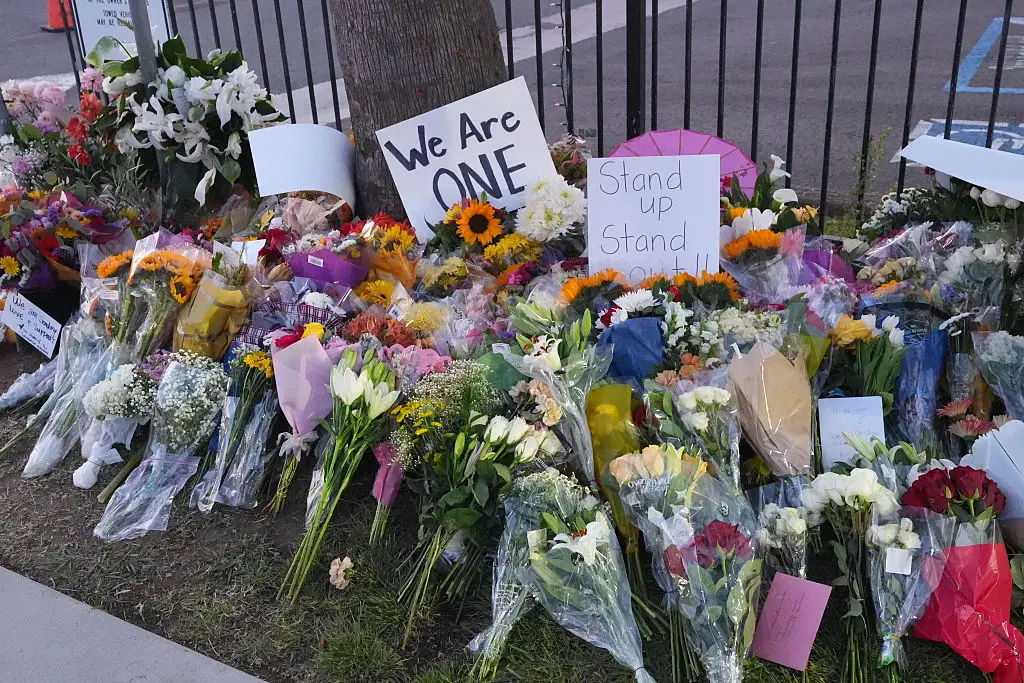
"Three heroes martyred at the Islamic Center of San Diego protecting our children," read a message posted on the Islamic Center's website.
Abdullah, who died engaging the gunmen as they entered the mosque, was hailed by police as having almost certainly prevented a far greater death toll.
His daughter described him as a man who sometimes skipped meals during shifts out of fear that "something bad would happen."
Kaziha had worked at the mosque since it was built in the 1980s.
All three men were praised by their community for their bravery in drawing the attackers away from worshippers inside.
"He Struggled With Accepting Parts of His Own Identity"
Vazquez's family named their son's autism as a factor in his vulnerability to online radicalisation, saying he "struggled not only with accepting parts of his own identity but also grew to resent them."
"We believe this, combined with exposure to hateful rhetoric, extremist content, and propaganda spread across parts of the internet, social media, and other online platforms, contributed to his descent into radicalized ideologies and violent beliefs," the statement read.
"While there is no excuse for his actions, we have come to recognize how dangerous online spaces are that normalise hatred."
The two shooters had reportedly met online before discovering they both lived in San Diego. FBI special agent in charge Mark Remily said they appeared to have been radicalised through the internet and harboured a "broad hatred" toward numerous races and religions, "they didn't discriminate on who they hated," he said.
"Race War Now"
The pair produced a 75-page manifesto filled with Islamophobic, antisemitic and extremist content, and wrote racist phrases including "Race War Now" directly onto their weapons.
Vazquez's family said they had tried many times to help their son through what they called his "mental instability," but admitted: "We will forever live with the burden of wondering whether there was more we could have done to help prevent this senseless tragedy."
"We can only pray that his actions and words do not inspire or incite further hatred or violence toward any community," the statement concluded.
"They were the actions of an immensely lost, troubled, and misguided soul."
Topics: Gun Crime, Crime, California, Religion
 Thomas Bamford