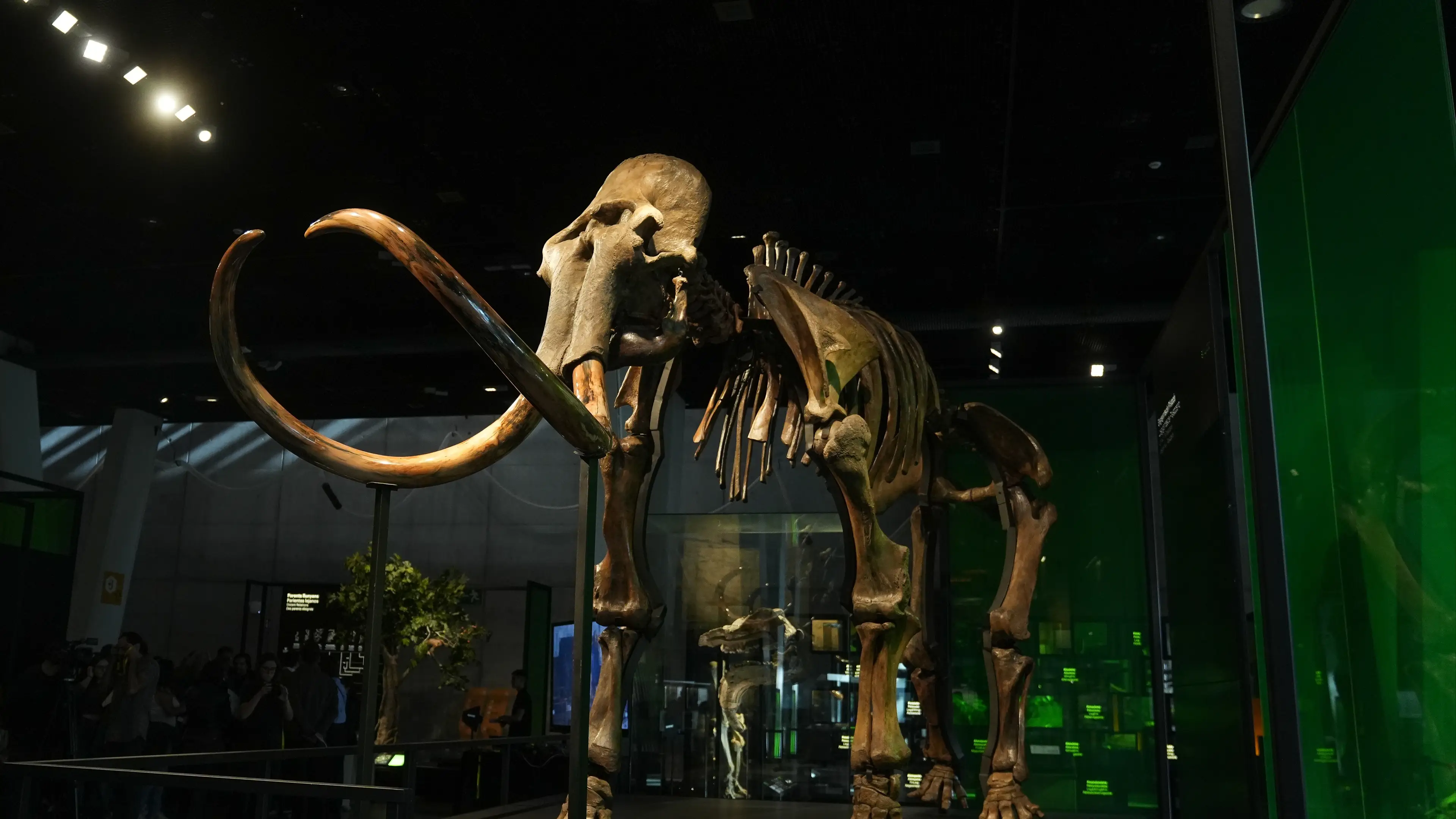
Woolly mammoths could be brought back to life as scientists make breakthrough discovery

A scientific breakthrough could take us one step closer to bringing a woolly mammoth back to life.
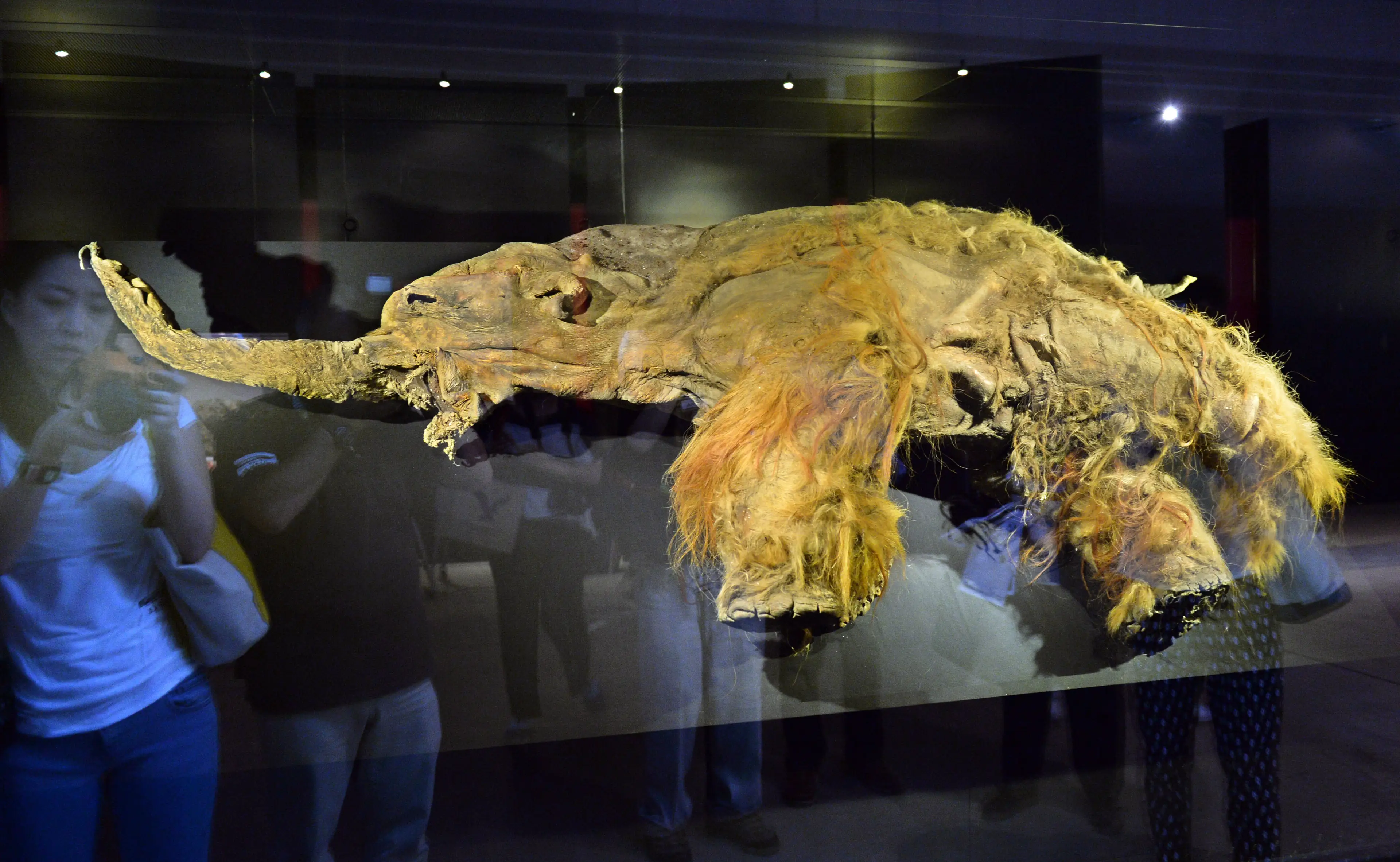
Scientists have worked on Yuka, a baby mammoth found in Siberian permafrost in remarkably intact condition despite being tens of thousands of years old.
Yuka is so intact that scientists may even be able to sequence RNA, or Ribonucleic acid, from the 39,000-year-old mammoth corpse.
This is the oldest RNA to be successfully extracted from the corpse of an extinct animal.
Advert
Dr Emilio Mármol, from Copenhagen's Globe Institute, said: "Our methods and results could indeed inform and help the efforts aimed at 'de-extincting' certain renowned animals."
Mammoths are not the only extinct animals which it might be possible to clone, with others including the dodo and the Tasmanian tiger.
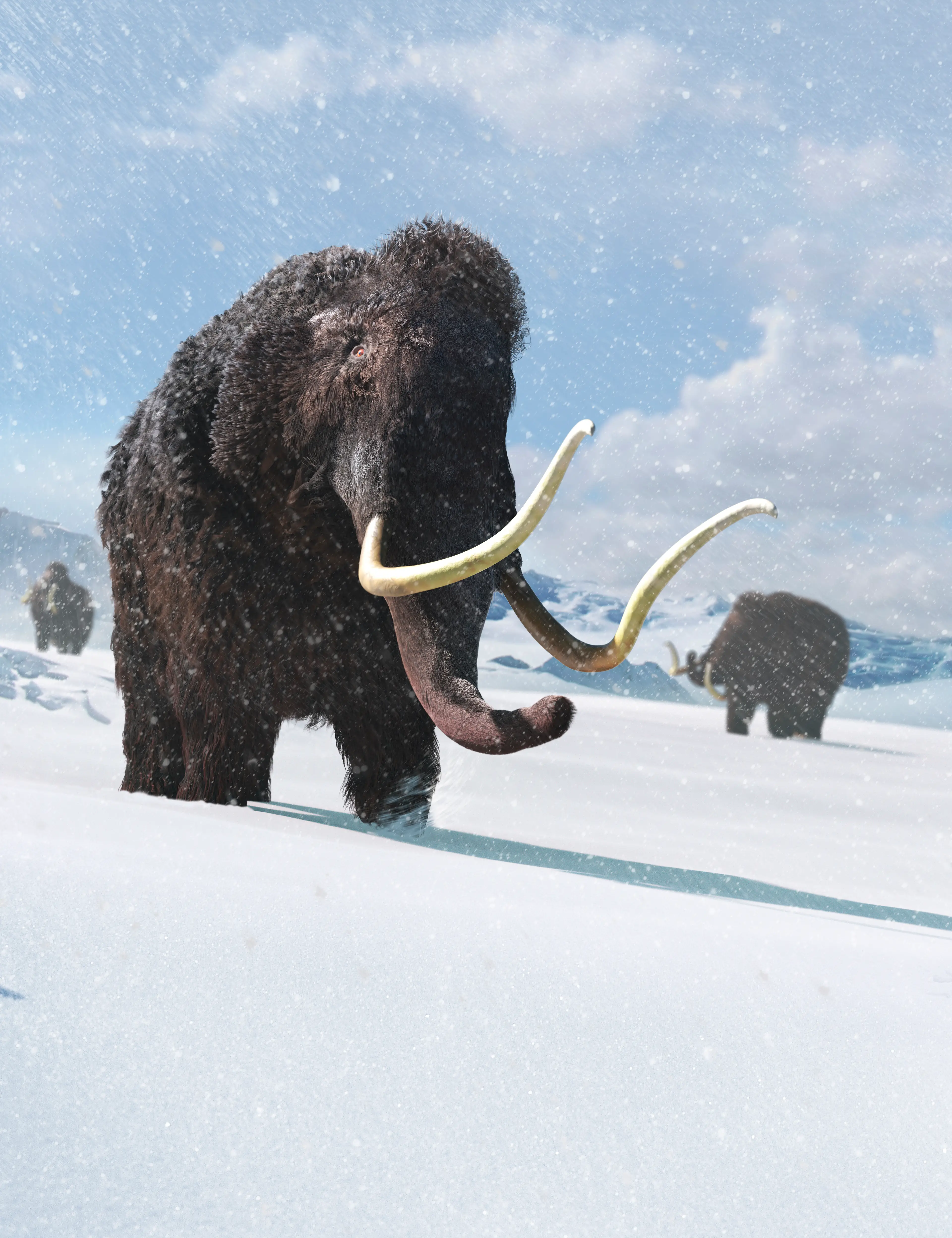
Professor Love Dalén is an evolutionary genomics professor at Stockholm University study co-author and said that this does not make it immediately possible to clone a mammoth, but does lay the groundwork for future research.
Speaking to The Telegraph, Professor Dalén said: "Indirectly, the study has relevance in the sense that recovering RNA could in future studies give useful insights on which genes are important for the development of certain traits."
So this is also an important study in understanding how certain genes actually develop.
But there are other considerations to think about when cloning an extinct animal.
For example - how do you gestate the foetus?
One answer to this would be to make an elephant carry the mammoth foetus as a surrogate, and this comes with a huge amount of ethical problems.
When the baby mammoth is born, it will be a different species from the elephant that carried it, which would be extremely traumatic for both the mother and the baby mammoth.
Imagine becoming pregnant by IVF and then giving birth to a chimpanzee.
Then there's the issue of actually establishing and maintaining a population - it's not like there would be other mammoths to reproduce with because any mammoth made this way would be genetically identical, creating not so much a gene pool as a gene puddle.
Of course, there are loads of species out there which are still very much alive but threatened with extinction by human activity, including burning fossil fuels.
While it's undeniably impressive that resurrecting a mammoth is theoretically possible, there are lots of still living animals out there that we could save if we put in the effort and resources to do so.
Topics: News, World News, Science, Technology, Animals
 Kit Roberts