Bizarre ‘never-aging’ animal could hold key to human limb regrowth

The idea of regrowing human limbs has long been a subject thought to be the stuff of dreams and science fiction, but scientists now believe a unique ‘never-aging’ animal, could hold the key to making it a reality.
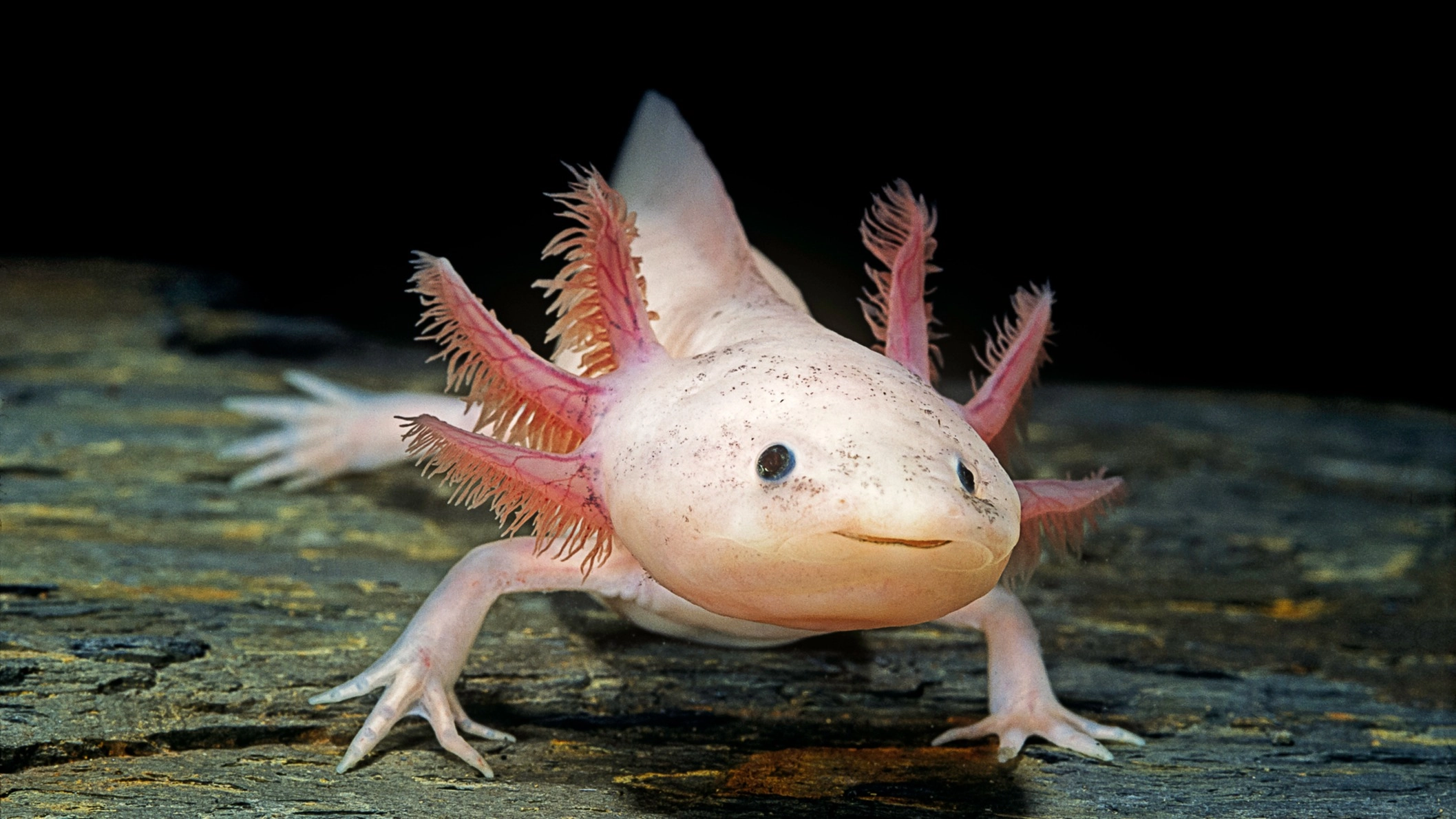
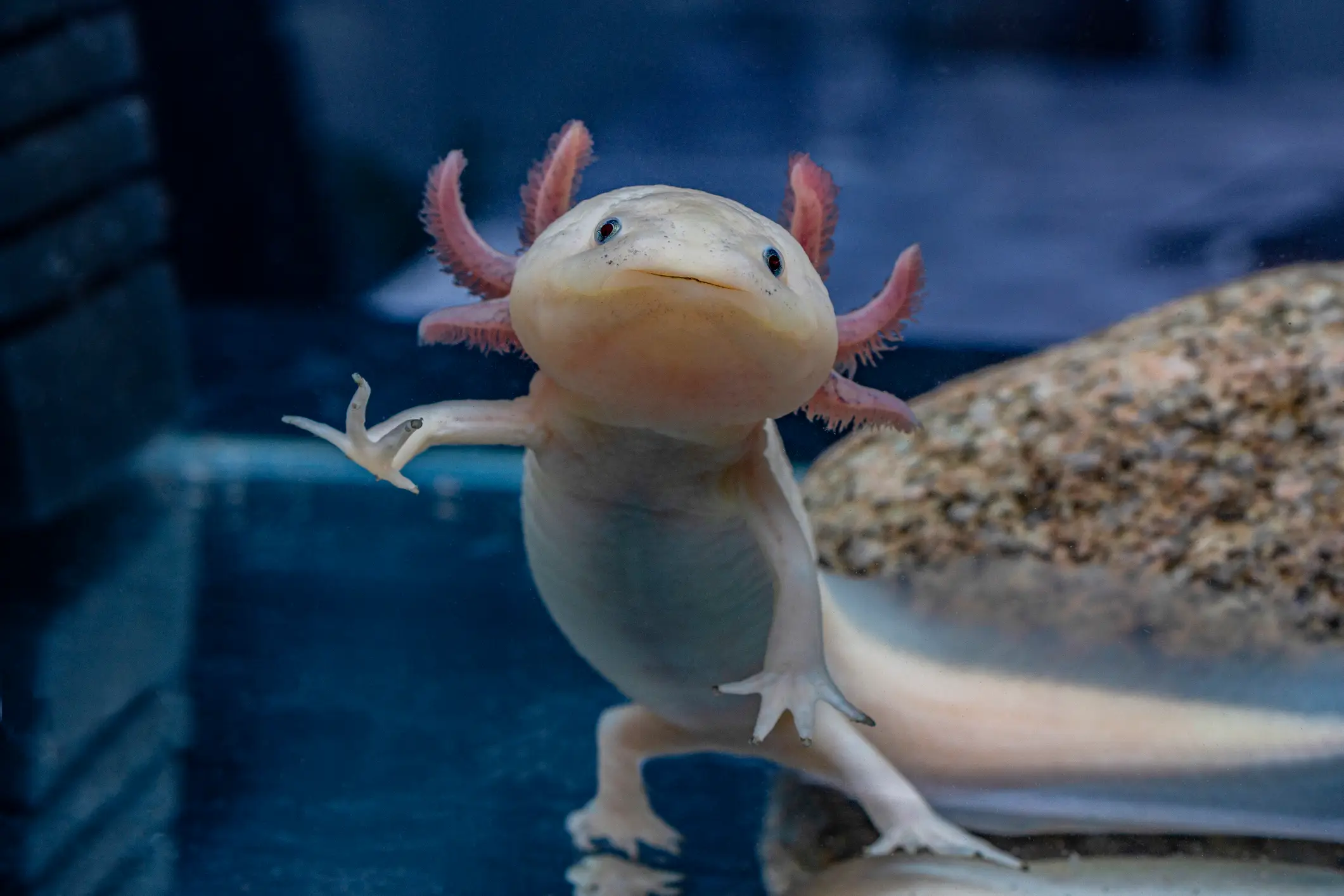
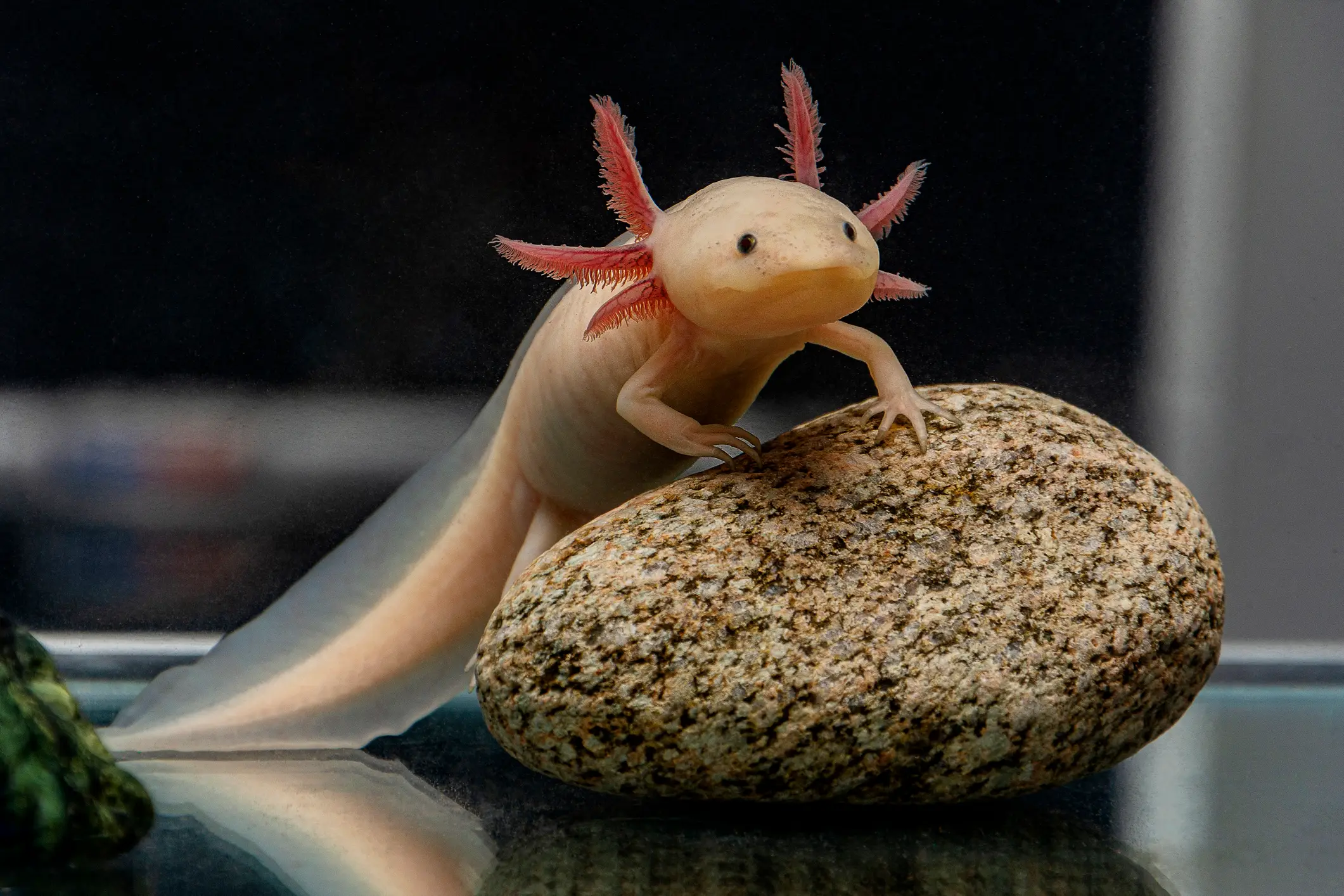
The axolotl, a small amphibious creature native to Mexico, has long fascinated scientists due to its unique properties, which allow it to stay in an eternal tadpole state, effectively meaning it ‘never grows up.’
Yet it isn’t the prospect of this pseudo-immortality that appeals to experts, but the fact that the axolotl can regrow entire limbs and parts of major organs if they are damaged through day to day trauma or attacks by predators.
As part of an ongoing research project, the axolotl is being studied alongside mice and zebrafish, each chosen for its particular regenerative ability.
Advert
Zebrafish can repeatedly regenerate their tail fins and several internal tissues, while Mice have a far more limited capacity to regrow the tips of their digits, something which humans can also do when the nail bed remains intact.
In research published in the Proceedings of the National Academy of Sciences, identified a specific and common genetic mechanism that allows this regeneration to happen, and could one day hold the key to allowing scientists to regrow human limbs.
“This significant research brought together three labs, working across three organisms to compare regeneration,” Josh Currie, assistant professor of biology at Wake Forest University, said.
“It showed us that there are universal, unifying genetic programs that are driving regeneration in very different types of organisms, salamanders, zebrafish, and mice.”
Over one million people will have a limb amputated around the world each year, with increasing numbers of patients losing limbs due to health conditions such as diabetes, cancer, injury and infection.
The complex surgery is only ever a last resort, but does mean suffering a life-changing loss, as people must then adapt to life without a hand, arm, leg or foot.
In recent years prosthetic limbs have seen huge advances in comfort, fit and functionality, but scientists are continuing to look for new ways to work towards treatments that could restore and preserve the complex sensory and motor functions of a natural limb.
The team behind the research believe the newly discovered information can help humans resolve this issue by regenerating limbs like these animals.
Part of this belief stems on their investigations into so-called SP genes, which they found to be essential for regeneration in all three species studied.
Regenerating skin in all three species activated two genes, called SP6 and SP8, and prompted researches to explore and investigate how these genes specifically function.
Using gene-editing techniques, scientists removed SP8 from axolotls, which prevents the creatures from undertaking proper regrowth of limb bones. Similar effects were seen in mice lacking SP6 and SP8.
Having been intrigued by the findings, researchers then developed an experimental gene therapy using a regeneration enhancer identified in zebrafish.
The therapy delivered a molecule known as FGF8, helping to stimulate bone regrowth in mice and partially compensate for the missing genes.
Humans by design don’t naturally possess this level of regenerative ability, but with further extensive research, scientists one day hope to be able to replicate some degree of this unique ability in the human population.
“Scientists are pursuing many solutions for replacing limbs, including bioengineered scaffolds and stem cell therapies,”Professor Currie added.
“The gene-therapy approach in this study is a new avenue that can complement and potentially augment what will surely be a multi-disciplinary solution to one day regenerate human limbs.”
“Many times, scientists work in their silos: we’re just working in axolotl, or we’re just working in mouse, or just working in fish,” he explained. “A real standout feature of this research is that we work across all these different organisms. That is really powerful, and it’s something that I hope we’ll see more of in the field.”
 Phoebe Tonks