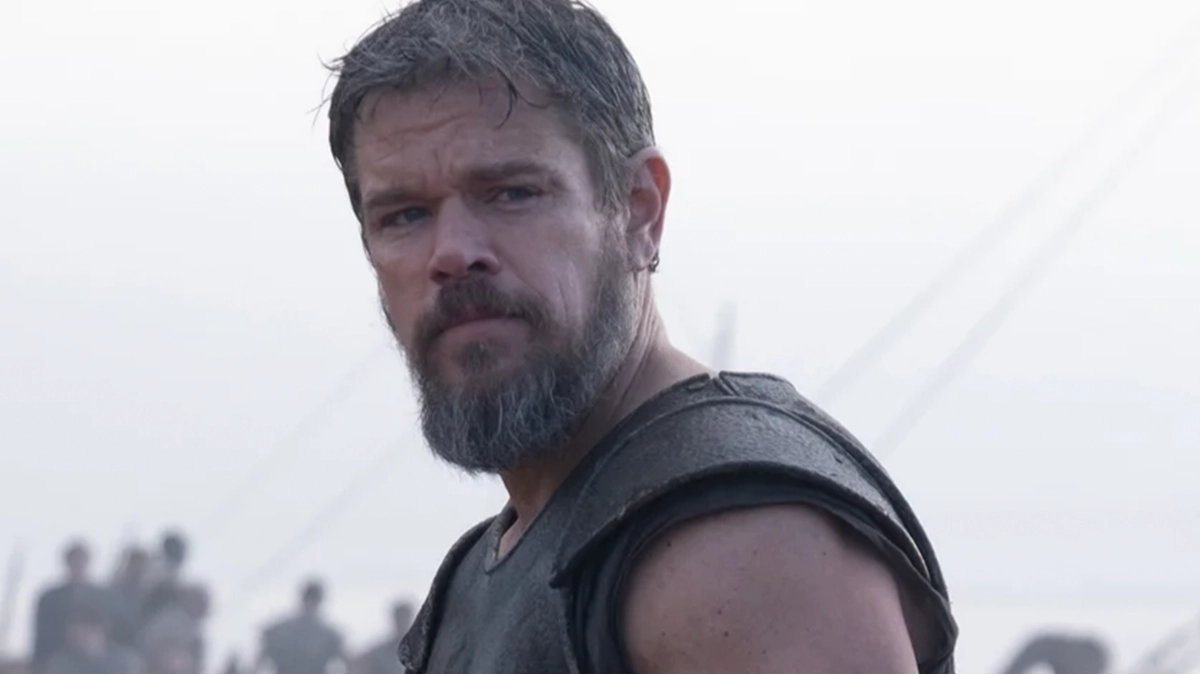
Universal Studios accused of not paying for ship damaged in The Odyssey filming

Famous for his insistence on filming things for real rather than using CGI, Christopher Nolan hired out replicas of Viking boats for The Odyssey to be part of the Greek hero's flotilla.
Now, one of the museums they borrowed from is claiming theirs was handed back damaged.
The Odyssey, which brought in over $264 million in its opening weekend alone, made the unusual choice to use Viking ships, despite the movie being set in Ancient Greece.
Christopher Nolan explained his reasoning was that he wanted ships that were true to the ancient world, but that could also stay afloat in choppy conditions on the Mediterranean.
Advert
He told the LA Times: "We needed something wooden-hulled, built with ancient technology that could be out there in open ocean water, in giant swells.
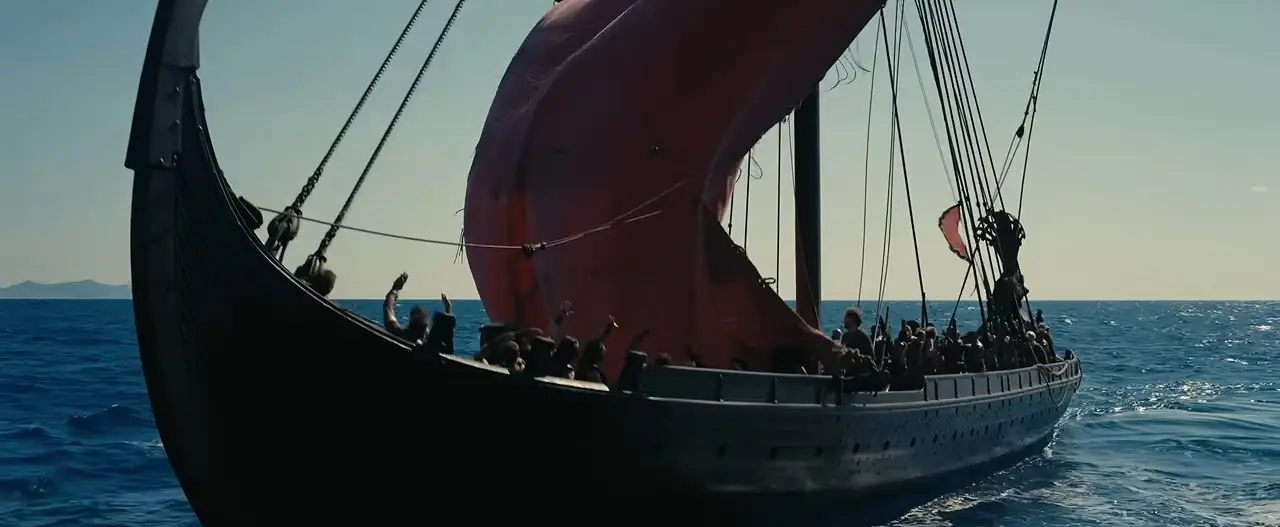
"We think of the Mediterranean as it is in summer holiday calm, but I’m here to tell you it’s not like that the rest of the year.”
Odysseus' ship was the 35-metre-long Norwegian replica Draken Harald Hårfagre, the world's largest Viking ship currently sailing.
But a different boat in the flotilla seen in the movie is stirring up controversy: the Glad av Gillberga, a replica of an ancient Viking ship owned by Vikingaleden, a non-profit association based in Värmland, Sweden.
Universal Studios stands accused of leaving the historical non-profit high and dry after failing to cover repair costs for the vessel, even though Universal's higher-ups appear to disagree.
The historical vessel spent six months serving as an escort ship in the flotilla accompanying Odysseus around Greek and Italian islands during principal photography. However, when the boat was handed back, the association claims it was returned with severe structural damage, including a cracked hull - as reported by Expressen.
As noted by The Guardian, rather than slapping the studio with a massive repair bill, members of the Swedish non-profit spent months carrying out all the restoration work themselves using unpaid volunteer labor. It is said to have only invoiced Universal Pictures for the raw material costs, which totalled $6,000.
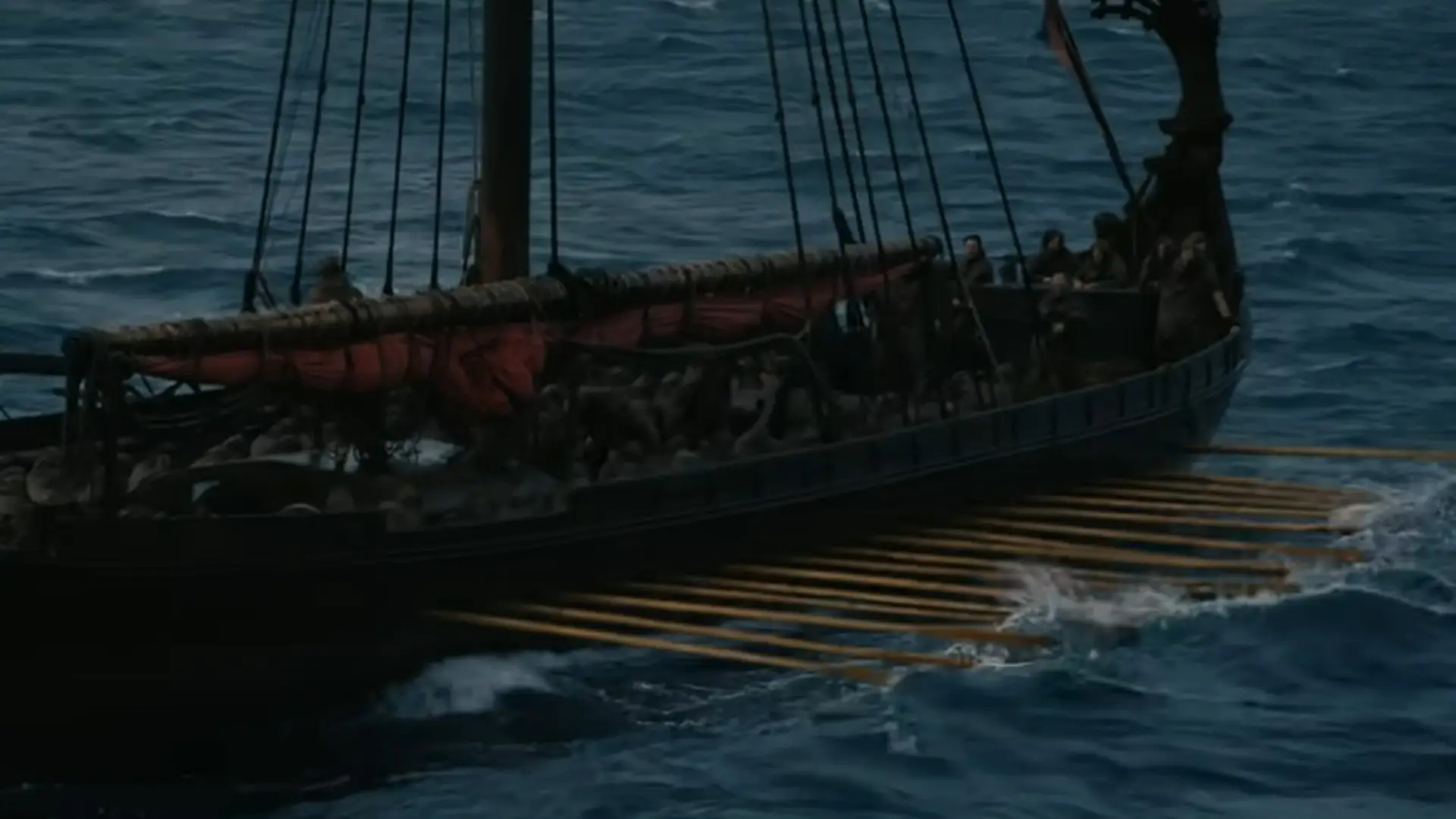
Despite clear contract terms stating the production would cover any damage caused during filming, Vikingaleden claims the invoice remains unpaid more than a year later.
Peter Olausson, chair of the Vikingaleden association, didn't hold back when speaking about the situation, telling the Guardian: "We are only charging for the material cost, not the labour. The agreement was that we would fix it and get financially reimbursed. Of course Universal can afford this $6,000. We feel forgotten."
Universal Pictures has since responded to the row, claiming their records show all financial obligations were met.
A spokesperson for the studio stated to UNILAD: "Our records show that all invoices relating to the Glad av Gillberga were paid in full, including repairs. The Studio and the production have contacted the Association to clear up any misunderstanding.”
The Odyssey: Filming locations and origins of the epic poem
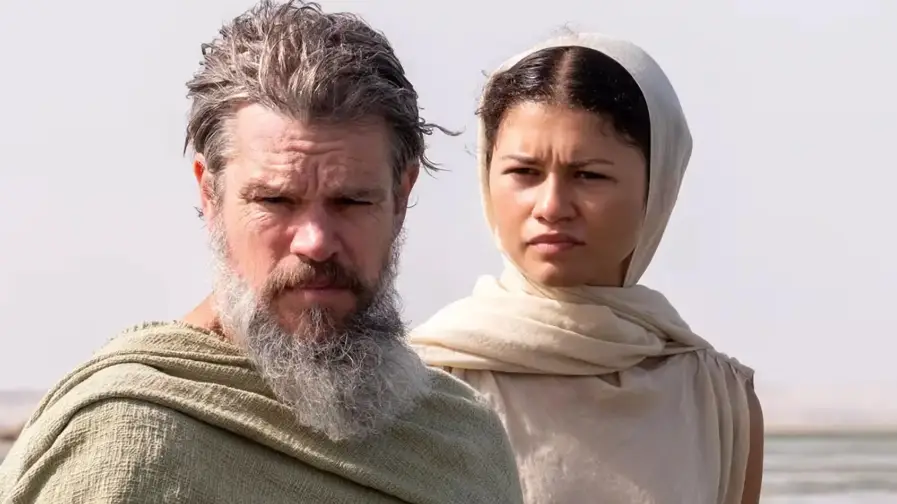
Written: Between 725 BC and 675 BC, so more than 2,500 years ago
Based on a true story? Mostly no (cyclops aren’t real). Historians are unsure if the Trojan War really happened
Who wrote The Odyssey? Homer, but historians don't know much about him and debate if he is a single person or a group of poets
How long is the movie? 2hrs, 52mins - best go to the toilet beforehand
Where was the movie filmed? The Hellenic Film Commission explained Nolan and co filmed at several locations in the Peloponnese, including Nestor’s Cave, Voidokilia Beach and Almyrolaka Beach, which are all on the island of Pylos; Methoni Castle, at a port town of the same name in southwestern Greece; and Acrocorinth, a monolith overlooking the ancient city of Corinth.
According to Vogue, filming also took place in Morocco, in Marrakech, Tahanaoute, El Haouz, Essaouira and Ouarzazate. The cast and crew were also spotted on the Sicilian island of Favignana, while they filmed in Iceland for the underworld scenes.
Continuing their whistlestop tour of Europe, the Odyssey team also filmed in Scotland, along the Moray Firth Coast and at Findlater Castle and Culbin Forest.
The Odyssey in IMAX 70mm vs normal cinema screens: Helpfully, the film's website shows different versions of the trailer in six different formats, all with different aspect ratios. You can see the difference between IMAX 70mm (warning you now, there are only 25 IMAX 70mm screens in the whole of the US) and the standard 35mm format.
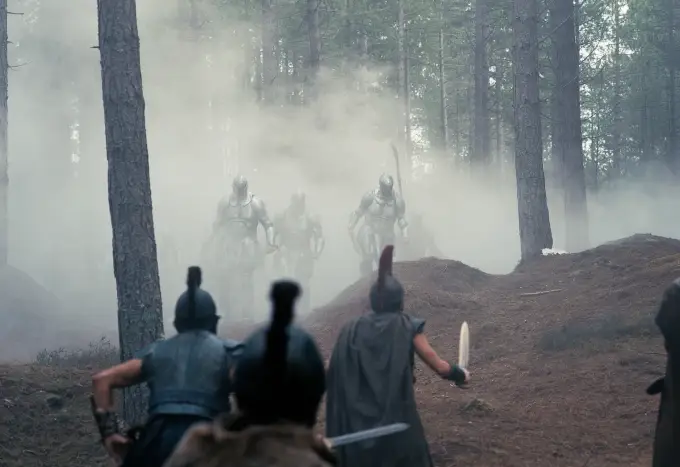
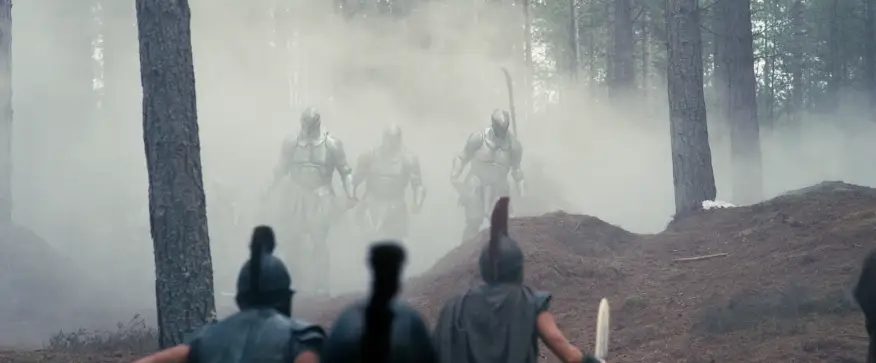
The Odyssey is in cinemas now.
Topics: Christopher Nolan, Film and TV
 Ben Williams