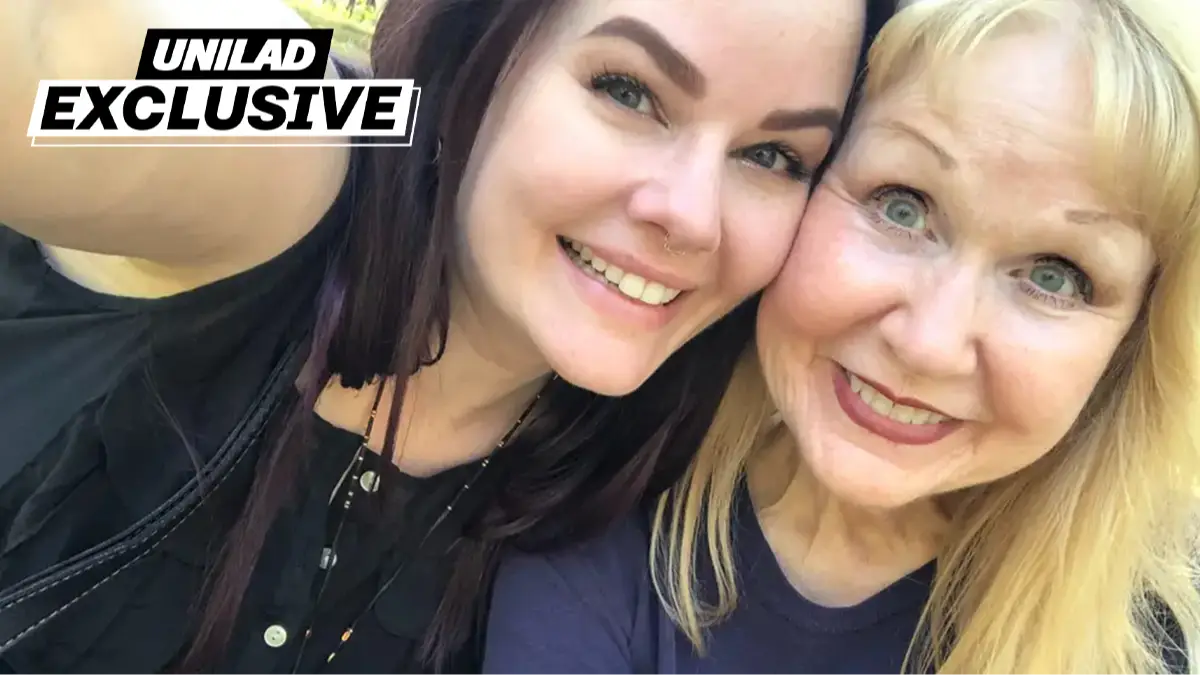
Woman falsely accused of killing her mom with morphine shares her harrowing story

Rachel Waters was asleep on an inflatable mattress on the floor of her mother's room at a Georgia memory care facility when she was woken at 4:30am by the sound of teeth smashing together.
It was her mum, Marsha, 74 years old, 80 pounds, dying of advanced Alzheimer's and multiple myeloma, gasping desperately for air. A sound Rachel describes as "like torture."
What happened next, reaching for the prescribed morphine kit that had been sitting in a drawer for months, calling the emergency hotline, following instructions, and dabbing a single measured dose along the inside of Marsha's cracked lips, would cost Rachel everything.
Her mum died 38 minutes later. And within hours, police cruisers were pulling up outside the family home.
Advert
"All I could think was: did someone accuse me of killing my mum?" Rachel tells UNILAD. "It was like an out-of-body experience. The worst nightmare times ten."
'I lost ten pounds in nine days'
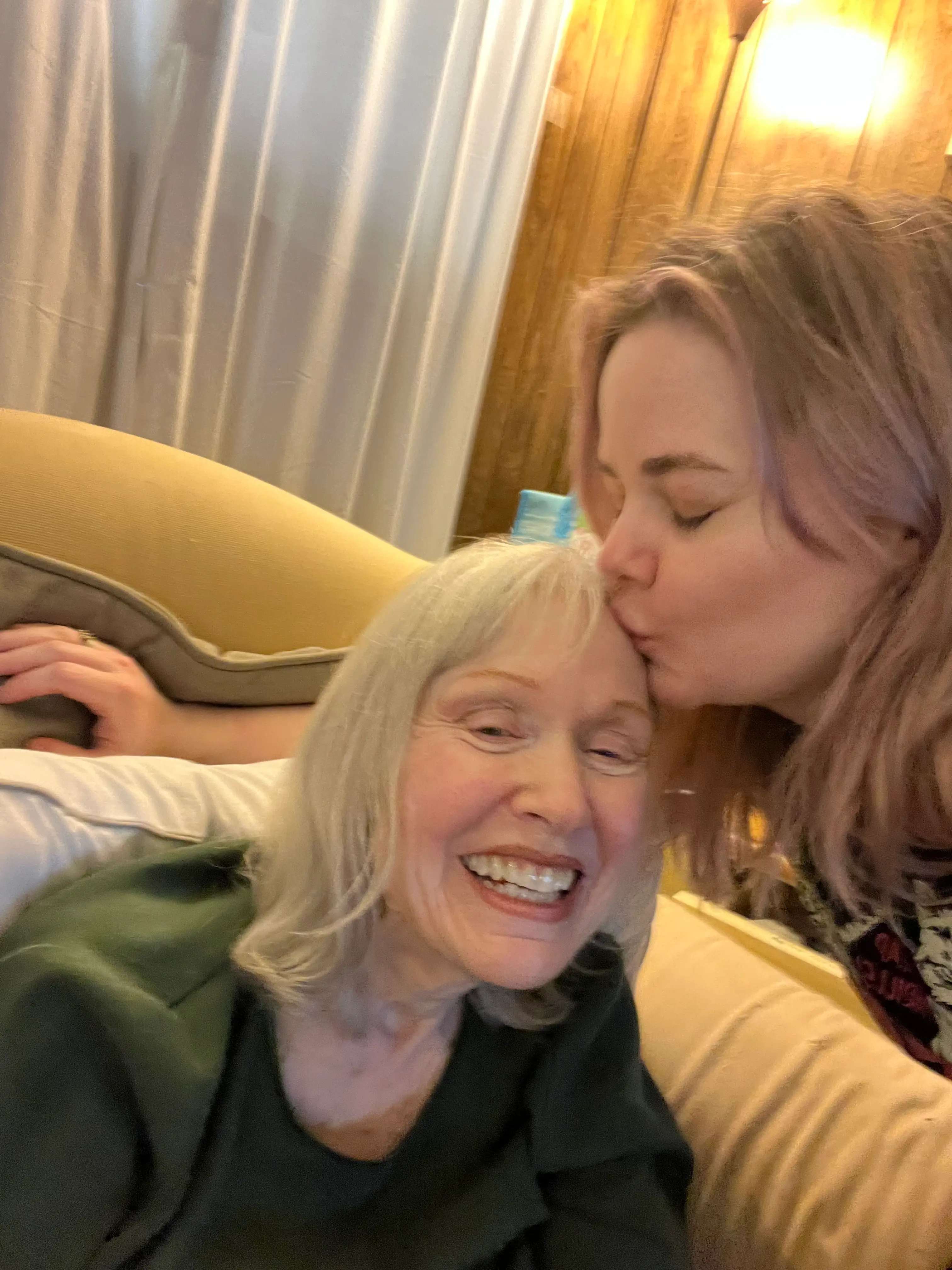
Marsha's death on July 12, 2023 should have been the end of a long, brutal ordeal, an only child watching her best friend disappear piece by piece to Alzheimer's, then cancer, across three years of daily texts, four visits a year, and eventually flying from New York to Georgia every other week to manage her care.
Instead, it was the beginning of something Rachel is still living through.
The body was taken to a crime lab. A search warrant was executed. Electronics seized. And then, nothing. Eighteen months of silence, no charges, no explanation, no death certificate, no way to settle her mum's estate or even cancel her bills.
When the charges finally came, Rachel found out through an anonymous Instagram comment on a tribute post to her mum. Felony murder. Malice murder. Both capital crimes in Georgia, both potentially carrying the death penalty.
"I lost ten pounds in nine days," she says. "I couldn't eat. Every time I tried to put food in my mouth, I felt like I'd throw up. I couldn't sleep. I realised everything I had built, my career, my savings, my life as I knew it, was gone. Overnight."
The morphine wasn't stolen, obtained illicitly, or administered recklessly. It was part of a standard "comfort kit", prescribed medications given to family caregivers for use in emergencies, including respiratory distress at end of life. Rachel had called the hospice emergency hotline that morning, described Marsha's symptoms, and been instructed on the exact dose. Her husband was listening on speakerphone.
"I was committed with every fibre of my being to honouring my mum's wishes," she says. "She wanted a natural death, but without unnecessary suffering. And I feel like I failed her even at that, she died gasping for breath anyway."
'If this happened to me, it will happen to someone else'
Rachel, a science and medical copywriter with a background in federal investigations, had documented everything. Phone records. Medical records she'd fought to obtain. Video of her mum's condition in her final days: blackened fingers and toes, desiccated eyes, no food or fluids for days. Her husband, an Alzheimer's researcher, had witnessed everything. He was never once contacted by law enforcement.
Her attorney, high-profile Georgia defence lawyer Brian Steel, sent the full evidence package, including Marsha's morphine prescription and medical history, directly to the state medical examiner and district attorney. The examiner revised the cause of death from homicide to undetermined.
The DA dropped all charges. "When the manner of death can no longer be confirmed to be acute morphine toxicity, we can no longer pursue those charges,” said Acting Columbia County District Attorney Natalie Paine in a statement in August 2025, as reported in The Augusta Press. Unilad reached out for further comment and didn't hear back.
"She acted very transparently," Rachel says of the district attorney. "I think she realised pretty quickly there were massive gaps."
Rachel was in bed at home in New York when the call came. She started to cry. But the relief, she says, was complicated.
"There was relief. But there was also horror, because I realised if this could happen to me, someone with every single piece of evidence of innocence, what happens to the person caring for a loved one at home who doesn't have those records? Who doesn't have a husband or hospice nurse friends who were witnesses? What happens to them?"
'I still can't find work'
The charges were dropped in August 2025 But in Georgia, records aren't sealed, they're restricted, and can still surface in background checks. Rachel's name still returns headlines calling her a murder suspect. She is, she says, effectively unemployable.
"Whenever I meet new people, they often ask what I do for work," she says. "And I have to decide whether to lie, which isn’t natural for me, or explain that I’m now an unpaid hospice reform advocate because I was charged with murdering my mum. I can't have a normal conversation. I've lost the luxury of anonymity."
The ordeal cost Rachel close to half a million dollars, wiping out her savings, her retirement, and her husband's retirement. She now relies on a GoFundMe to cover basic bills and help her advocate for what she's calling Marsha's Law: proposed legislation that would require hospice providers to document comfort kit prescriptions the caregivers trained to administer them, and would mandate that hospice providers hand that documentation to law enforcement in the event of an investigation.
"There is no law that required the hospice company to show that I had a valid prescription," she says. "No law requiring them to show I was the person expected to give it. Families are handed these kits every single day across America, and there is no law to help protect them if they are wrongly accused."
She pauses. "I just want everything my mom and I suffered to mean something."
Information about Marsha's Law can be found at marshaslaw.org
 Thomas Bamford