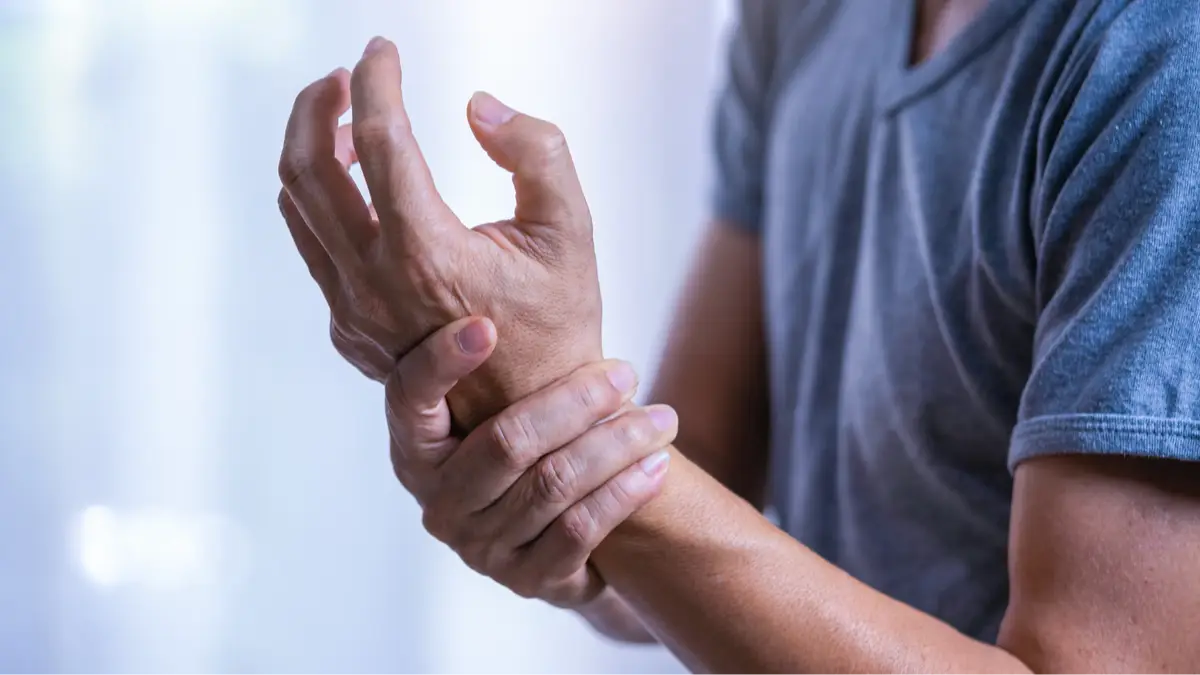
unilad homepage
unilad homepage
    • News
      • UK News
      • US News
      • World News
      • Crime
      • Health
      • Money
      • Sport
      • Travel
    • Music
    • Technology
    • Film and TV
      • News
      • DC Comics
      • Disney
      • Marvel
      • Netflix
    • Celebrity
    • Politics
    • Advertise
    • Terms
    • Privacy & Cookies
    • LADbible Group
    • LADbible
    • SPORTbible
    • GAMINGbible
    • Tyla
    • UNILAD Tech
    • FOODbible
    • License Our Content
    • About Us & Contact
    • Jobs
    • Latest
    • Archive
    • Topics A-Z
    • Authors
    Facebook
    Instagram
    X
    Threads
    TikTok
    YouTube
    Submit Your Content
    Mythbusters revealed who can really endure more pain, men or women

    Home> Community> Life

    Published 20:50 3 Feb 2026 GMT

    Mythbusters revealed who can really endure more pain, men or women

    It's a question which has people sharing a lot of strong opinions

    Kit Roberts

    Kit Roberts

    google discoverFollow us on Google Discover
    Featured Image Credit: Getty Images/manusapon kasosod

    Topics: Community, News, Social Media, Viral, World News, Health, YouTube

    Kit Roberts
    Kit Roberts

    Kit joined UNILAD in 2023 as a community journalist. They have previously worked for StokeonTrentLive, the Daily Mirror, and the Daily Star.

    Advert

    Advert

    Advert

    A video by Mythbusters has settled the debate over whether men or women have a higher pain tolerance.

    You might have come across one of the many videos explaining how women have a higher tolerance for pain.

    It could be a sketch from a tattoo artist on social media, where a man sits there gnashing his teeth and howling in a manly way as he gets a small tattoo, while a woman getting a much more intricate tattoo practically dozes off as the artist gets to work.

    The argument goes that women have to deal with a lot more physical pain in their everyday lives, for example from menstrual cramps, as well as in big life events like giving birth.

    Advert

    Well, taking a look at this argument, YouTubers Mythbusters carried out an experiment with some volunteers.
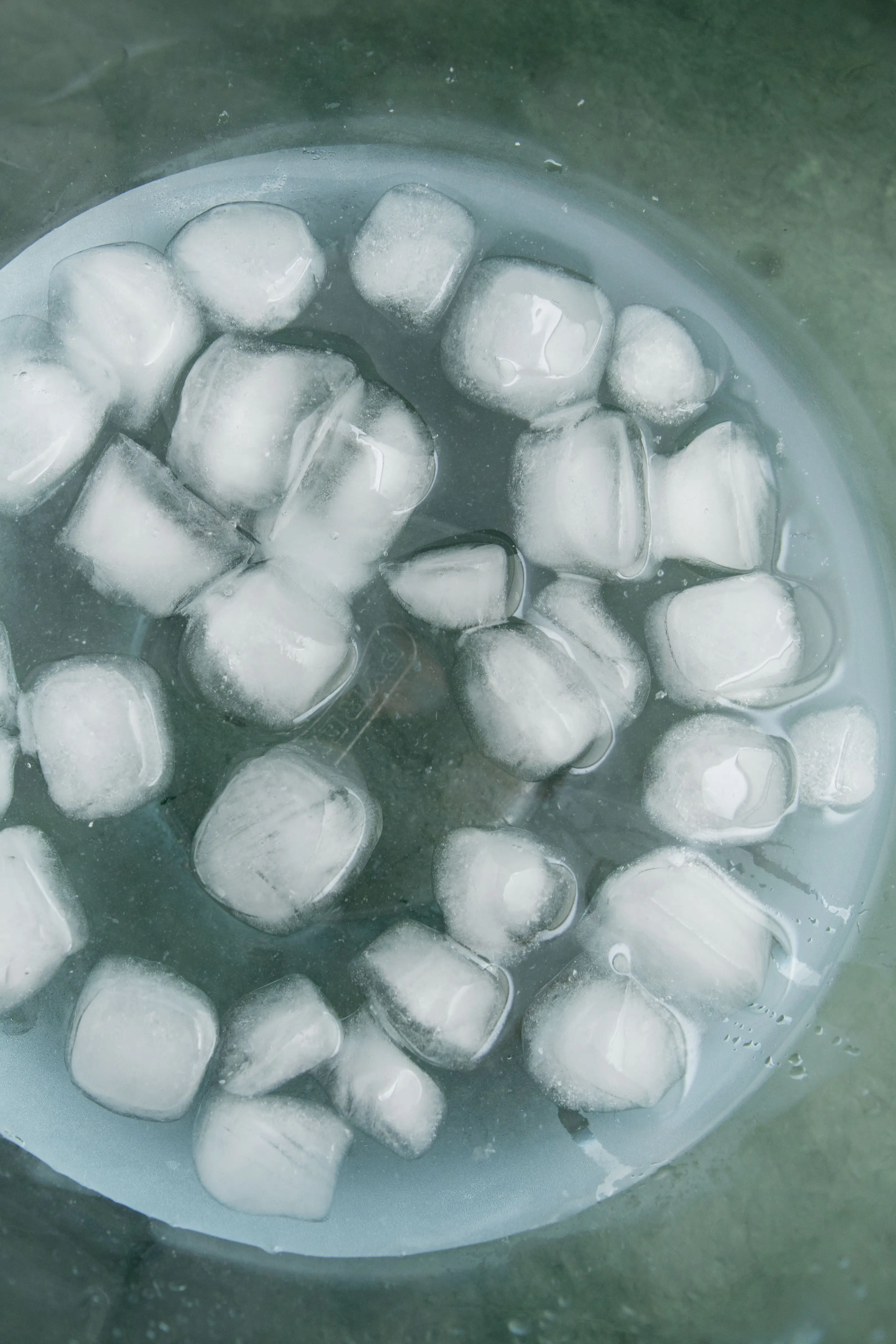
    Volunteers had to place their hand in a bowl of ice water for three minutes, or as long as they could take (annick vanderschelden photography/Getty)
    Volunteers had to place their hand in a bowl of ice water for three minutes, or as long as they could take (annick vanderschelden photography/Getty)

    So, how did it work?

    Well, they got volunteers to place their hand in a bowl of iced water, and see how long they could hold it there for.

    When they got to the three minute mark, they were told to take their hand out of the water, assuming they got that far, of course.

    And while some men did make it all the way to the three minute mark and some women didn't fare so well, on average women did win out when it came to being able to endure putting your hand in iced water.

    The team at Mythbusters also wanted to explore the idea that women who have given birth have an even higher pain threshold.

    When they included data for women who had given birth without painkillers, they found that this group had a much higher pain threshold, while women who hadn't given birth actually scored lower than the men.

    So, there you go - according to this experiment, the extreme pain of birth with no painkillers could increase your pain tolerance.

    While this argument is a lighthearted internet debate in this context, it can actually have very serious consequences in real life.

    Pain can be very different for different people and conditions (Daniel de la Hoz/Getty)
    Pain can be very different for different people and conditions (Daniel de la Hoz/Getty)

    For example, the perception that women have a higher pain tolerance than men might lead to a difference in how they are treated medically.

    This is a problem for women in general, but especially for women of colour where there is the incorrect and racist stereotype of being able to 'tolerate' pain to a much greater degree, even to the point that if someone says she is in pain, she is less likely to be taken seriously.

    The experiment also didn't account for people who live with chronic pain, which can actually change the way someone feels pain over time.

    So, a 7/10 pain ratio for a healthy person might be a 1/10 for someone who's lived with chronic pain for many years.

    Basically - pain is a lot more complicated than we might think.

    • Simulation shows what babies really see when they’re born and it’s left people shocked
    • Doctor warns ignoring subtle signals your body sends could result in years of chronic pain
    • Urgent warning issued over viral trend which makes sitting on planes more comfortable
    • Shocking amount of money 'Ibiza final boss' could make after video revealing who he really is goes viral

    Choose your content:

    10 days ago
    12 days ago
    21 days ago
    23 days ago
    • Facebook
      10 days ago

      Healthy woman explained why she chose to end her life by euthanasia

      Wendy Duffy died by suicide on Friday

      Community
    • EMMANUEL DUNAND/AFP via Getty Images
      12 days ago

      Bizarre 'Scientology run' challenge explained as 'raid' trend sees teens storm church's buildings

      Users are divided on the trial, with some asking how they can 'sign up' to take part

      Community
    • ITV
      21 days ago

      Woman marrying convicted murderer on death row opens up about their relationship

      Tiana Krasniqi is set to wed James Broadnax, who was convicted of a double murder in 2009

      Community
    • Getty Stock
      23 days ago

      Hiring managers are sharing the worst interview experiences that make them reject people instantly

      Hiring the right person for the job can be extremely difficult, especially in a world of artificial intelligence and Zoom interviews

      Community