Mom speaks out after being publicly criticized for still breastfeeding her 4-year-old daughter

A mom has defended herself after being trolled online following the revelation that she continues to breastfeed her oldest child.
Breast milk is the life source for almost every baby on Earth, human or otherwise.
For those who are able to produce it without trouble, and have their baby latch well, it can be a bonding moment like no other.
However, socially, people tend to cut out the breast milk when their child grows teeth – for obvious reasons – or when they are fully weaned on to solid foods.
Advert
It’s at this point that they’d be getting the nutrients they need in their meals, instead of the milk.
But when it came to the decision to stop, Shinnai Visser chose to continue after toddlerhood.
The holistic mom, known as @mindful_mamma_za on Instagram, has been met with overwhelming backlash as the 34-year-old was found to be breastfeeding her four-year-old daughter.

In response, she spoke with People, to share exactly why she has decided to breastfeed longer than the average person.
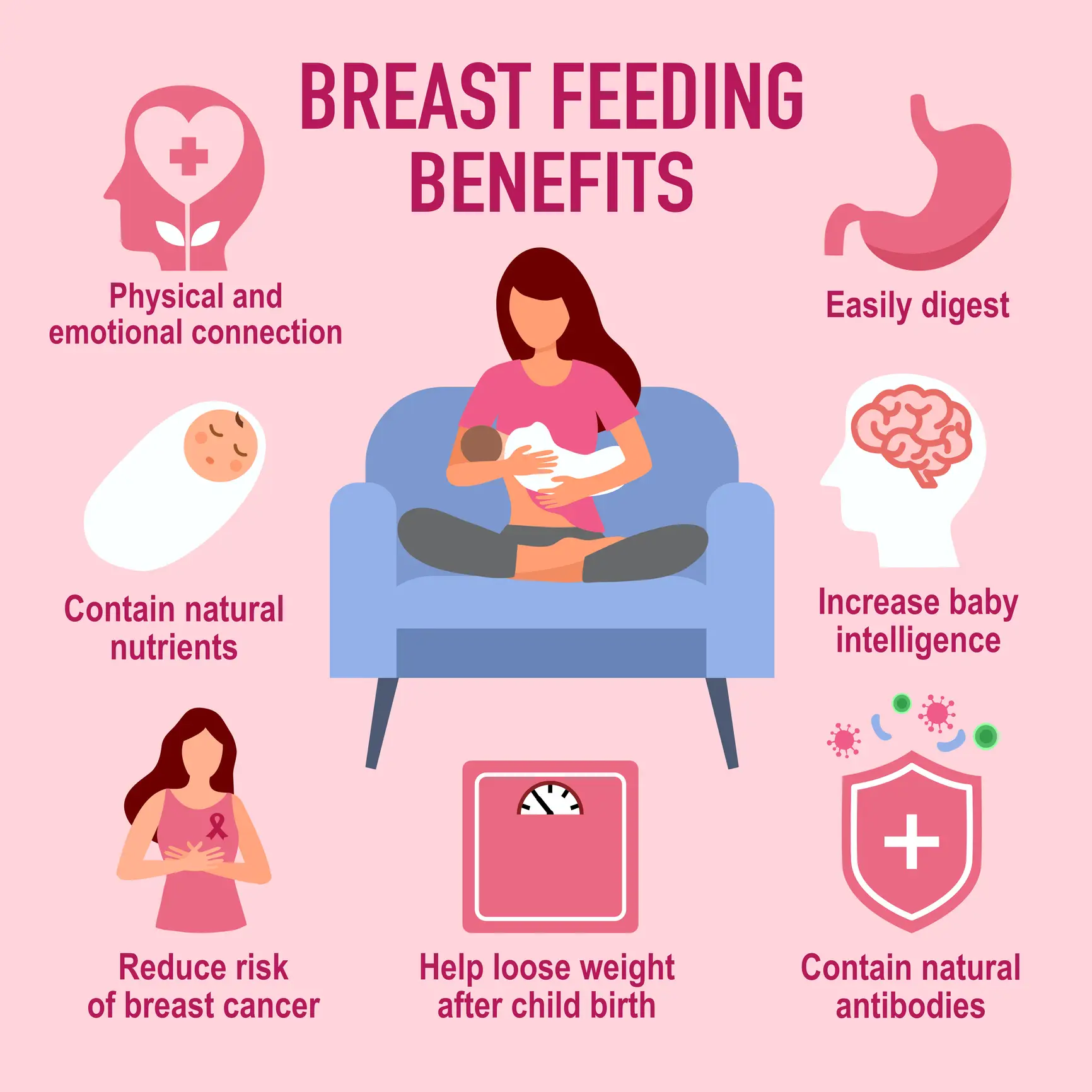
However, she made it clear that she isn’t doing it for her own benefit - but there are many health benefits to mothers who do breastfeed.
“I’ve heard comments implying that it’s inappropriate, unhealthy or that it creates too much dependence. Some people assume it’s about my needs rather than my child’s, which couldn’t be further from the truth,” Visser said. “If you have ever breastfed, you will know I am not doing this for me."
Revealing that she once thought the short-term breast feeding routine ‘normal in Western culture,’ after doing some research on other cultures, she realized there were benefits to continuing with her supply.
She explained that this is something common in other parts of the world, stating: “When I learned that humans historically breastfed far longer than we do today, it reframed the idea that extended breastfeeding is unusual. It’s not biologically strange — it’s culturally unfamiliar."
While people might think she is breast feeding her four-year-old just as she does her 20-month-old, that’s not true, as she claimed it was all child-led.
“Some days she nurses once, and other times she doesn’t ask for a few days,” Visser said, explaining that it’s 'very minimal and very intentional. It’s brief, calm and led by her.’
Not only does she say it’s calming, but it’s also supposedly good for emotional regulation, as the mom alleges it offers an environment to ‘regulate their nervous system’.
Visser described the feeds as: “It’s a moment of stillness, connection and safety. The child’s body settles, breathing slows and emotions soften.
“It’s a relational regulation tool, not just a feeding one.”
As for when she plans to stop, Visser said that day will come when it’s ‘mutually right' between her and her kids.
Some might scoff at her beliefs, but there’s something to be said about breastfeeding for longer, and the success of a child.
According to Dr Colin Michie, chair of the Royal College of Paediatrics and Child Health’s nutrition committee, not only does it help children fight illnesses, but apparently, it can aid them in their future careers too.
He told The Guardian: “It’s widely known that breastfed babies are better protected against chest and ear infections, are at less risk of sudden infant death and are less likely to become obese, but it’s interesting to see the benefits of breastfeeding for a prolonged period of time not only benefit the baby in the early years, but also translate into increased intelligence and improved earning ability later in life.”
Maybe it’s just the West, but elsewhere, breastfeeding is a lot more stretched out.
For example, according to Mother’s Choice Products, mothers in Turkey breastfeed anywhere from 18 to 24 months, while those in Guatemala can breastfeed until 12 months.
In Britain, the breastfeeding percentage is one of the lowest in Europe, with the culture and support available being blamed for it.
Topics: Social Media, Parenting, Health
 Britt Jones