Scientist reveals major flaws in Ryan Gosling space film Project Hail Mary and one thing it gets right

Ryan Gosling’s new sci-fi movie Project Hail Mary is doing big numbers, but one scientist says that while the film nails a few details, some of its biggest ideas about space and biology don’t really hold up.
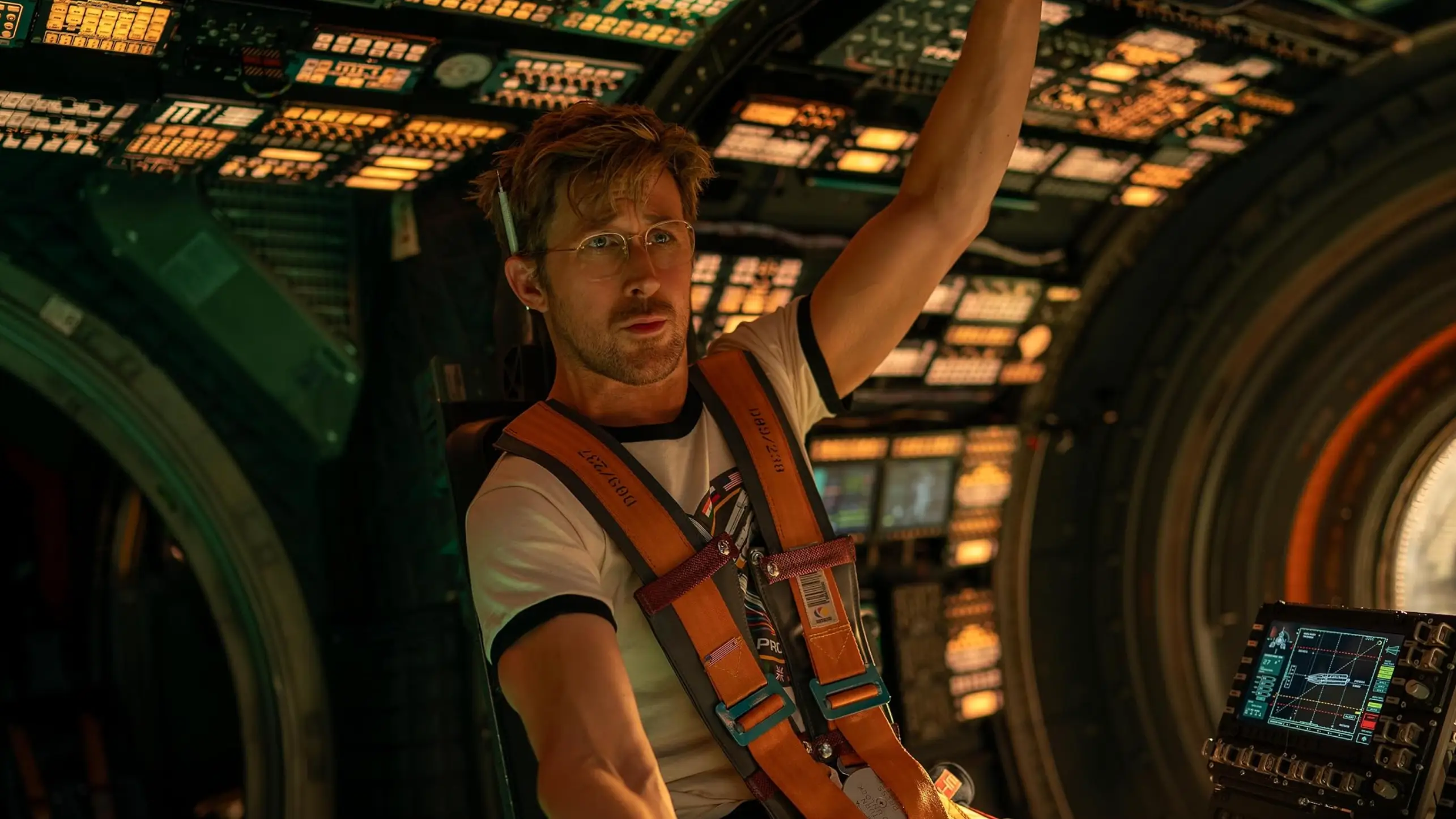
The movie, based on Andy Weir’s bestselling novel, follows Ryland Grace, a former teacher turned astronaut who is sent on a desperate mission after the sun begins to dim.
Out in deep space, he ends up teaming up with an alien named Rocky, and together they try to stop Earth from heading toward disaster.
It’s a huge premise, and according to Dr Jacqueline McCleary, an observational cosmologist at Northeastern University, the film gets close enough to real science to be fun - but not without some major leaps.
Advert
"This story in particular falls on the line of close enough to be enjoyable and, more importantly, self-consistent. It's a grammar unto itself, but it's legible," McCleary told Northeastern Global News.
One of the biggest issues is the movie’s central threat - astrophage. In the story, these tiny lifeforms soak up the sun’s energy, causing it to lose brightness. It’s a clever concept, but McCleary says the numbers just don’t work.
"There's orders of magnitude mismatch between what a microbe could store… and what the sun actually puts out in terms of energy," she explained.
That’s a pretty major problem when you consider the sun releases an almost unimaginable amount of energy every second. On top of that, these organisms would need to survive in the sun’s atmosphere, where temperatures can hit around 2.7 million degrees Celsius... so yeah, that part is doing a lot of heavy lifting.
Another big stretch is Grace being placed in an induced coma for years as he travels nearly 12 light-years to Tau Ceti. While the movie shows him waking up with memory loss, McCleary says the real outcome is much bleaker.
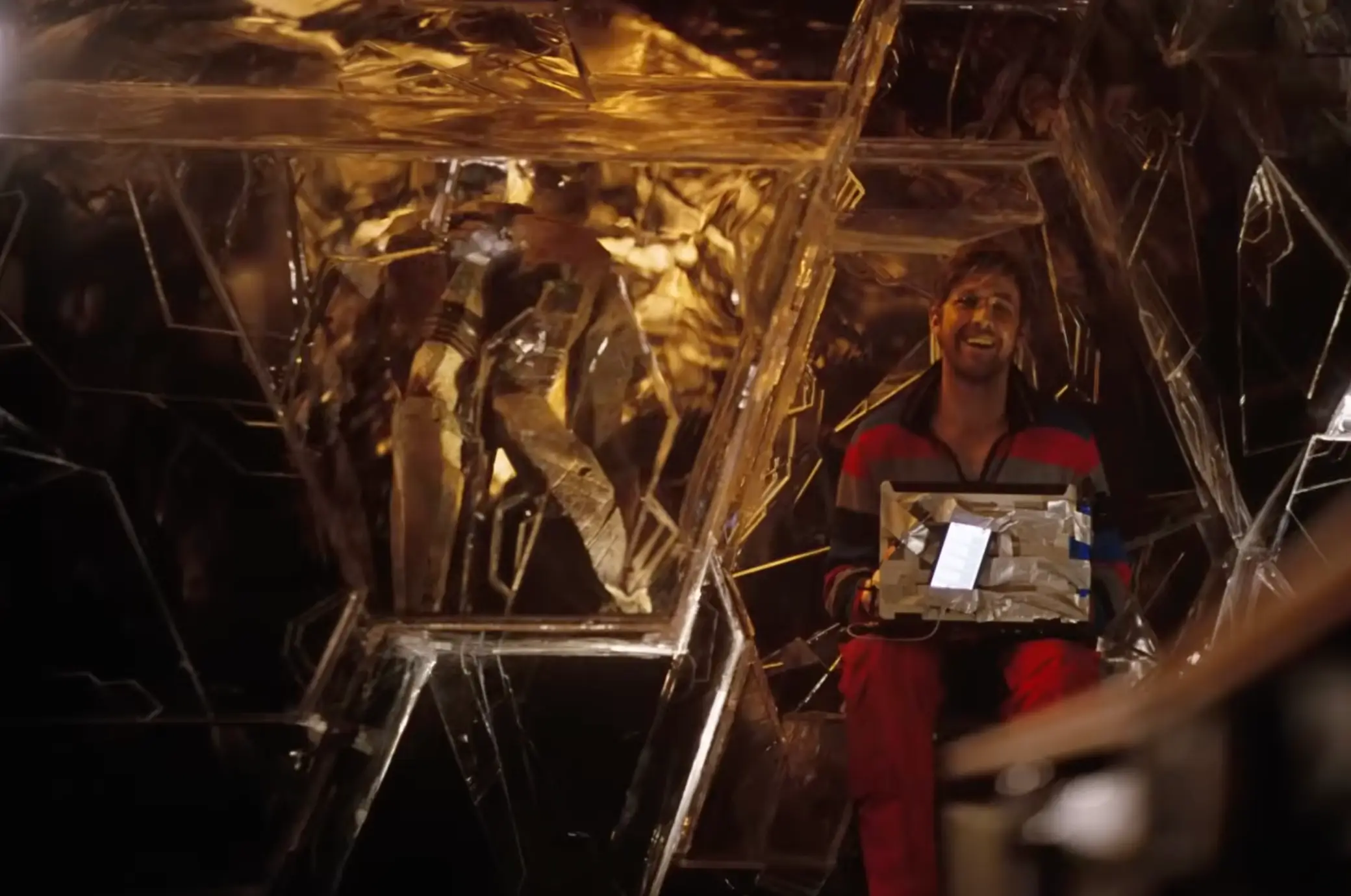
"You’d have brain damage," she added.
But the movie doesn’t miss across the board.
The spacecraft design is one thing McCleary says genuinely works. Grace’s ship uses a more traditional propulsion setup and includes a spinning section to create artificial gravity - something that hasn’t been built in real life, but is grounded in real physics. According to her, that concept is based on 'totally conventional, well-accepted physics'.
Although that's not the only thing McClearly lauded - Rocky was too... the alien in the film, not the Italian Stallion - Rocky Balboa!
Yes, weirdly enough, he may be one of the more believable parts of the whole film.
"People are now starting to talk about sentient plasmas as a potential lifeform,” McCleary said. “The notion of a completely different biology, completely different body chemistry adapted to different conditions is very clever.”
Topics: Ryan Gosling, Space, Science
 Joe Yates