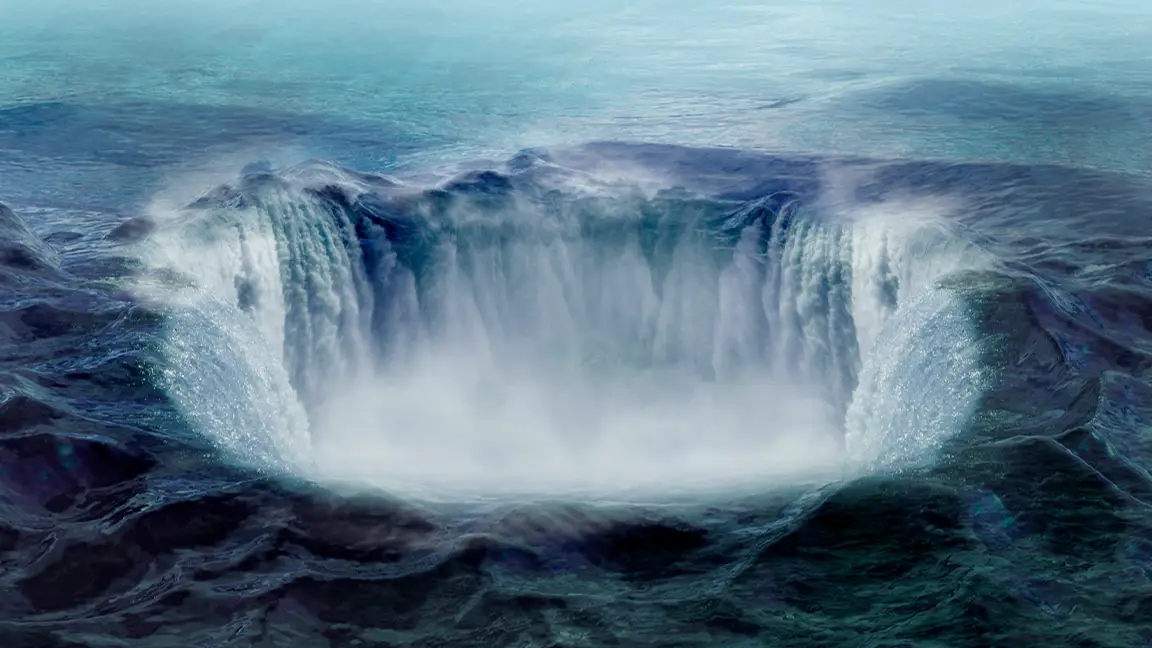
Mystery behind massive 'gravity hole' that is pulling down the Indian ocean

The mystery behind a massive 'gravity hole' that is pulling down the Indian Ocean now has some clarity after being explained by scientists.
For decades, the Indian Ocean geoid low (IOGL) baffled scientists due to it spanning 1.2 million square miles, which caused a 328-foot dip in sea level.
It was Dutch geophysicist Felix Andries Vening Meinesz who discovered the anomaly in 1948 during a gravity survey from a ship, and it wasn't until 2023 when scientists got an idea of what's been going on.
‘Gravity holes’ are spots where Earth’s gravitational pull is weaker and geologists have been puzzled by IOGL’s unusual features for a very long time.
Advert
Thankfully, researchers from Indian Institute of Science in Bengaluru, India and GFZ German Research Centre for Geosciences discovered some incredible information that helped crack the code.
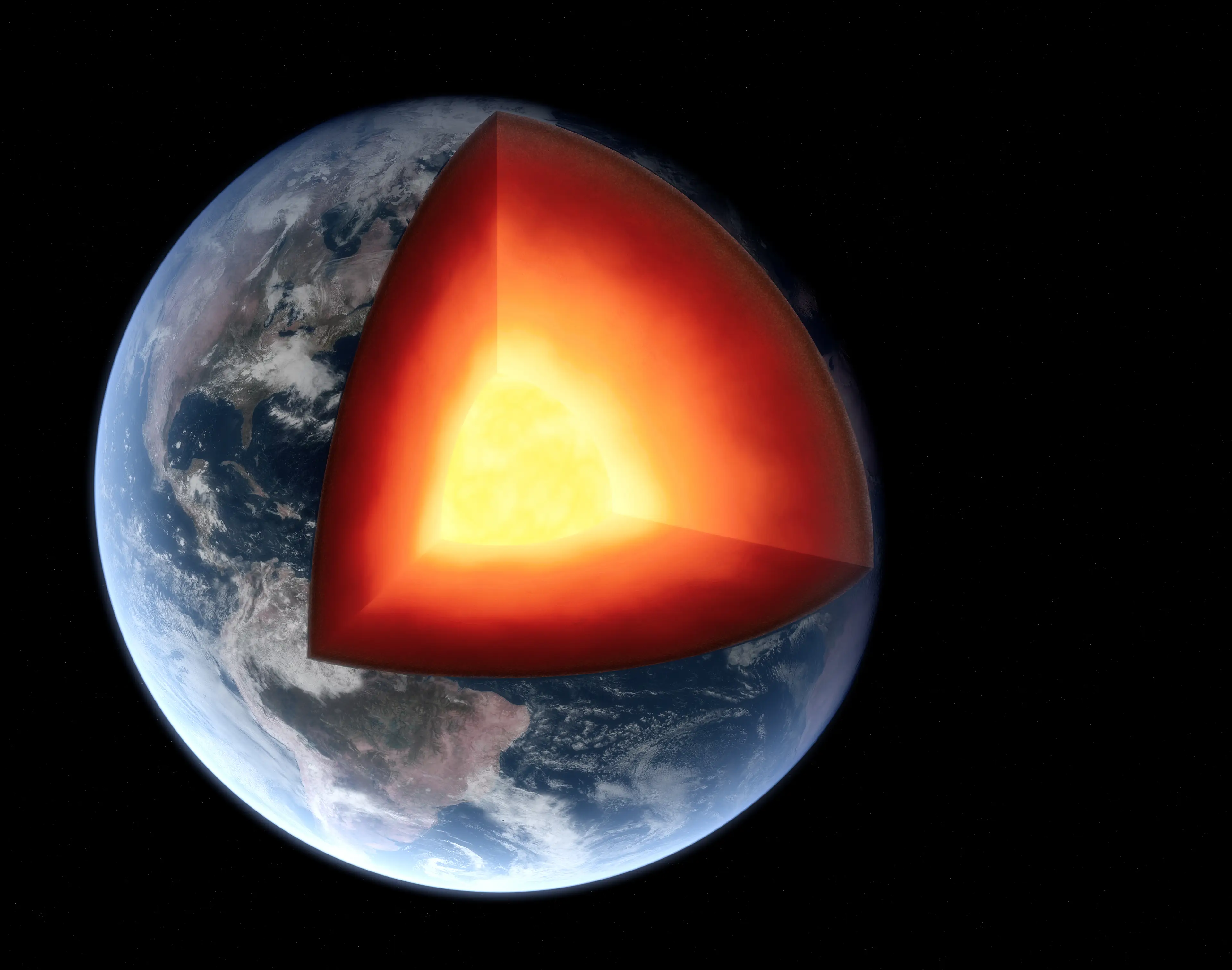
A credible explanation for its formation suggests plumes of magma coming from deep inside the planet essentially create these 'gravity holes'.
The team came to this hypothesis by using supercomputers to run 19 simulations to recreate the formation of the Earth to see how the area might have formed, going back as far as 140 million years in the past.
The full findings were published in a study in May 2023 in the journal Geophysical Research Letters.
Attreyee Ghosh, who is the study's co-author, said: "The Earth is basically a lumpy potato. So technically it’s not a sphere, but what we call an ellipsoid, because as the planet rotates the middle part bulges outward."
Earth’s density and properties are not homogenous - meaning some areas are more dense than others.
Ghost stated this affects our planet’s surface and its gravity.
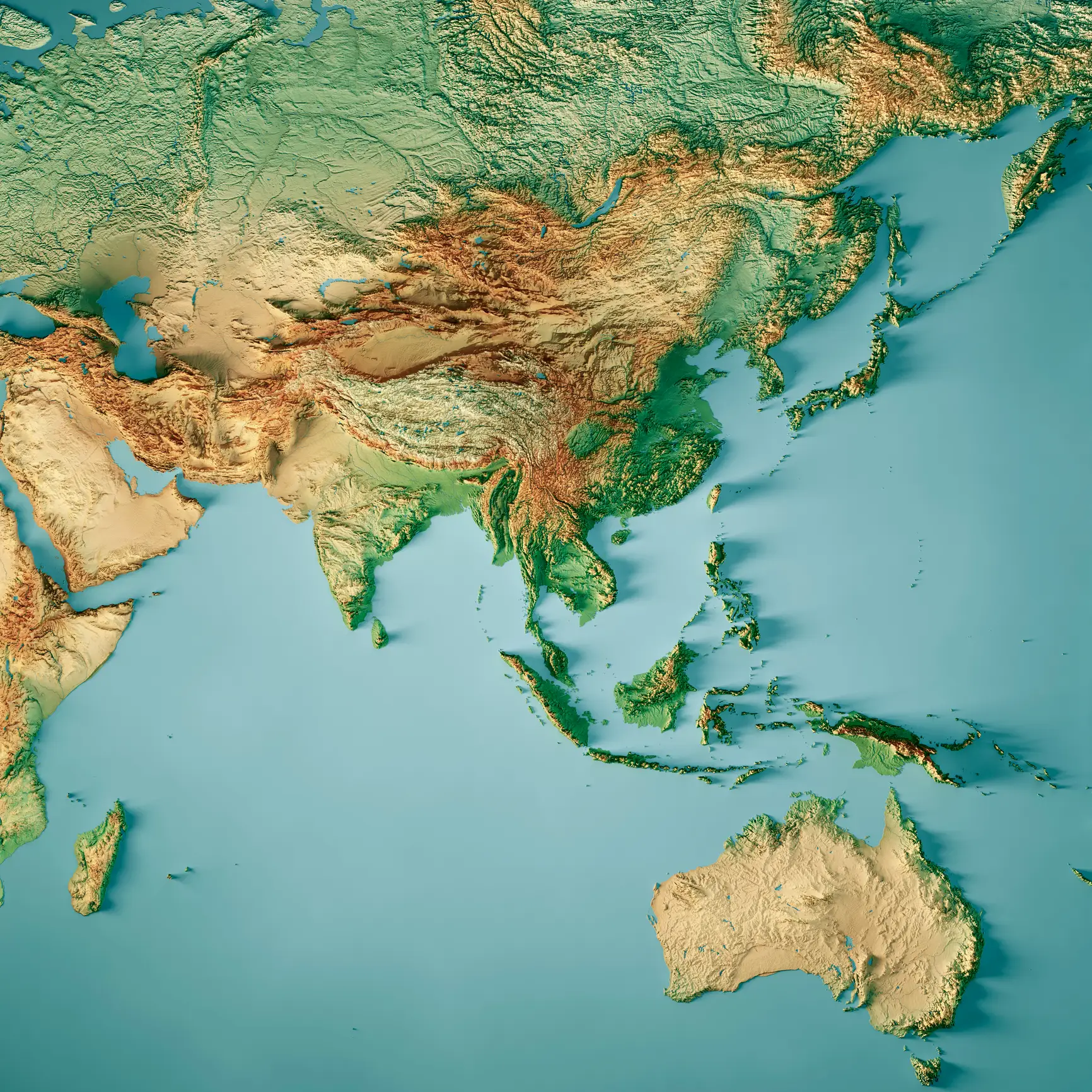
The expert added: "If you pour water on the surface of the Earth, the level that the water takes is called a geoid — and that is controlled by these density differences in the material inside the planet, because they attract the surface in very different ways depending on how much mass there is underneath."
The plumes initially originated from the disappearance of an ancient ocean, Ghost went on to say in the findings to the study.
It saw India's landmass drift and eventually collide with the continent of Asia some tens of millions of years ago.
The coauthor explained: "India was in a very different place 140 million years ago, and there was an ocean between the Indian plate and Asia. India started moving north and as it did, the ocean disappeared and the gap with Asia closed."
 Callum Jones