unilad homepage
  • News
    • UK News
    • US News
    • World News
    • Crime
    • Health
    • Money
    • Sport
    • Travel
  • Film and TV
    • Netflix
  • Music
  • Tech
  • Features
  • Celebrity
  • Politics
  • Advertise
  • Terms
  • Privacy & Cookies
  • LADbible Group
  • LADbible
  • SPORTbible
  • GAMINGbible
  • Tyla
  • UNILAD Tech
  • FOODbible
  • License Our Content
  • About Us & Contact
  • Jobs
  • Latest
  • Archive
  • Topics A-Z
  • Authors
Facebook
Instagram
X
Threads
TikTok
YouTube
Submit Your Content
Scientists discovered world's only naturally occurring nuclear reactor was active 1,700,000,000 years ago

Home> Technology> News

Published 21:08 21 Nov 2024 GMT

Scientists discovered world's only naturally occurring nuclear reactor was active 1,700,000,000 years ago

The only place on the planet where you can discover this natural nuclear reactor is in Gabon, Africa

Joe Yates

Joe Yates

google discoverFollow us on Google Discover
Featured Image Credit: United States Department of Energy

Topics: Africa, History, Reddit, Science, World News

Joe Yates
Joe Yates

Joe is a journalist for UNILAD, who particularly enjoys writing about crime. He has worked in journalism for five years, and has covered everything from murder trials to celeb news.

X

@JMYjourno

Advert

Advert

Advert

It's absolutely terrifying to think for hundreds, thousands, millions, billions of years - there's been a natural nuclear reactor underneath our feet.

We all know the destruction a atomic bombs did to Japan during the second world war; it is one of the worst things to have happened in the history of mankind.

World War 2 saw the US use atomic bombs on the two Japanese cities, Hiroshima and Nagasaki, and while they currently remain the only times nuclear weapons have been used, a nuclear reactor was actually once active 1.7 billion years ago - but not to worry guys, as it now remains dormant.

Advert

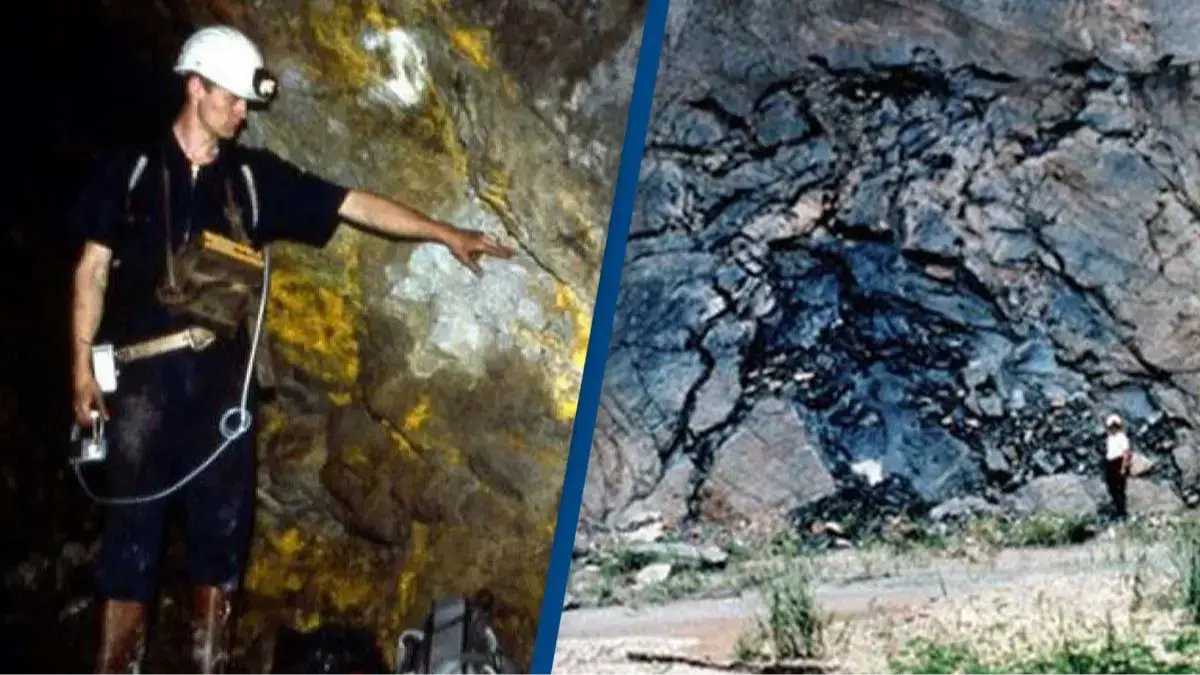
Yes, the only known natural nuclear fission was discovered back in 1972 in Okla, Gabon, in central Africa.

Chemists at the time noticed a significant reduction in fissionable U-235 within the ore coming from the Gabonese mine.

The uranium deposit is the only known natural nuclear reactor on the planet to have occurred in the African country, and in the Okla region specifically.
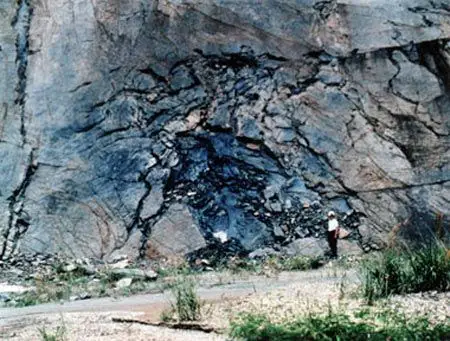
The fossil natural fission reactor was discovered as an ore in Africa (United States Department of Energy)

Its discovery was shared over on Reddit, as one user posted: "TIL [Today I Learned] The only known naturally occuring nuclear fission reactor was discovered in Oklo, Gabon and is thought to have been active 1.7 billion years ago.

"This discovery in 1972 was made after chemists noticed a significant reduction in fissionable U-235 within the ore coming from the Gabonese mine."

The mine contains the only existence of a fossil nuclear fission reactor - which self-sustained nuclear reactions have occurred in the past.

One user commented: "It was described in a book. The French heavily monitor the uranium at Oklo. They did calculations and realized a small but big enough to be worrisome amount of uranium was missing.

"They eventually concluded that sometime in the million years that theburanium was sitting in the ground, some rainwater seeped in and sustained a controlled fission reaction and transmuted some of the uranium away. Probably not documentary worthy but interesting."
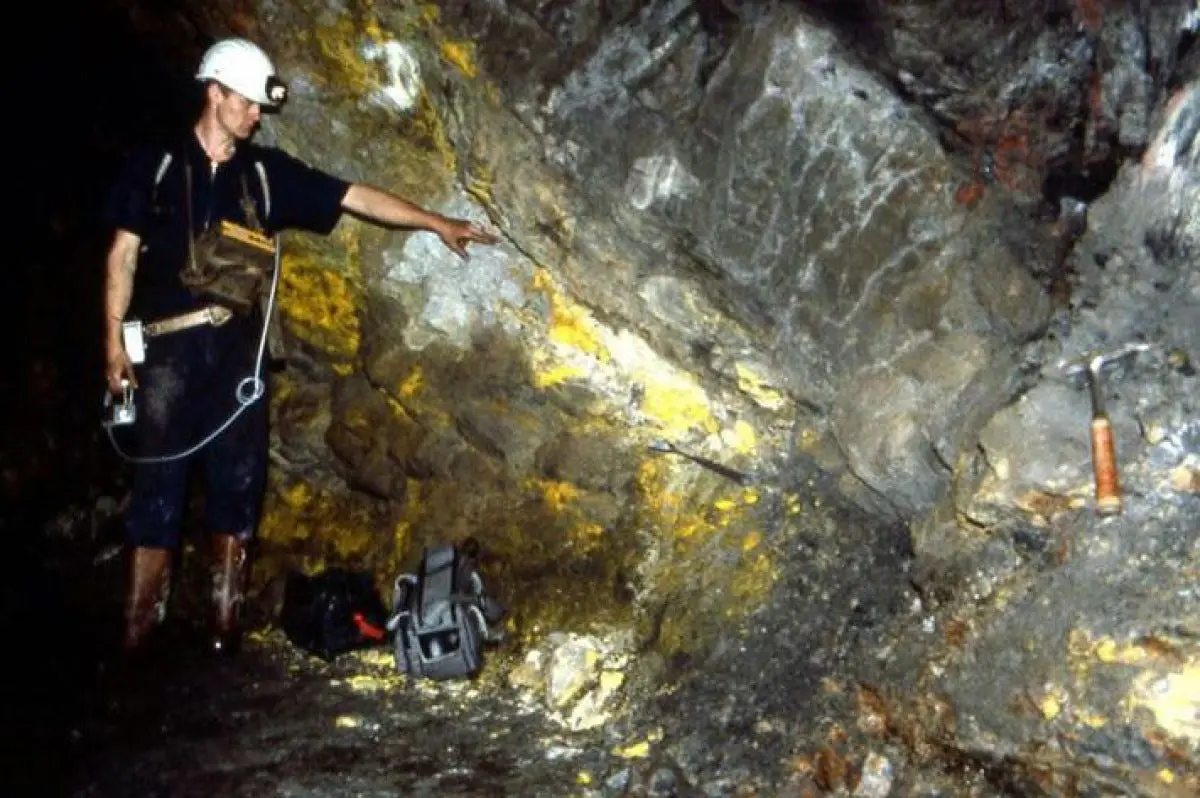
It was discovered back in 1972 (United States Department of Energy)

While another asked: "Does it create nuclear waste? Could it explode from instability?"

Fortunately, one Redditor replied: "Yes, it did produce nuclear waste. And that waste has migrated a distance of meters through rock over the previous 1.7 billion years. This discovery in part was what gave confidence to the idea of deep geological storage.

"Find the right kind of rock, and it'll do the job of storing something forever for you."

While it's undoubtedly unnerving to think that something so deadly has been part of our planet for billions of years, I think we're safe... for now!

Choose your content:

21 hours ago
2 days ago
3 days ago
  • NASA/Reid Wiseman
    21 hours ago

    Reason why Artemis II new photo of Earth has huge difference to previous images

    The photo of Earth was released by NASA on Friday

    Technology
  • Chip Somodevilla/Getty Images
    2 days ago

    Terrifying warning Artemis II astronauts heard during crucial part of mission

    Artemis II astronauts are flying further than their predecessors 60 years ago

    Technology
  • Getty Stock Images
    2 days ago

    Space expert explains how 'lava tubes' could help us one day live on the Moon

    It may be possible to live on the Moon one day...

    Technology
  • Jim WATSON / AFP via Getty Images
    3 days ago

    Everything that went wrong on Artemis II launch as NASA rushed to fix major issues

    The milestone space mission had its share of mishaps

    Technology
  • Scientists discovered bizarre radio signal from 13,000,000,000 years ago and it could answer how the universe started
  • Scientists finally solve mystery of Easter Island heads revealing how they moved 900 years ago
  • Inside a 'whites-only town' as filmmaker reveals shocking details of what it's really like
  • Everything that was discovered inside Princess Diana's time capsule that she buried 34 years ago