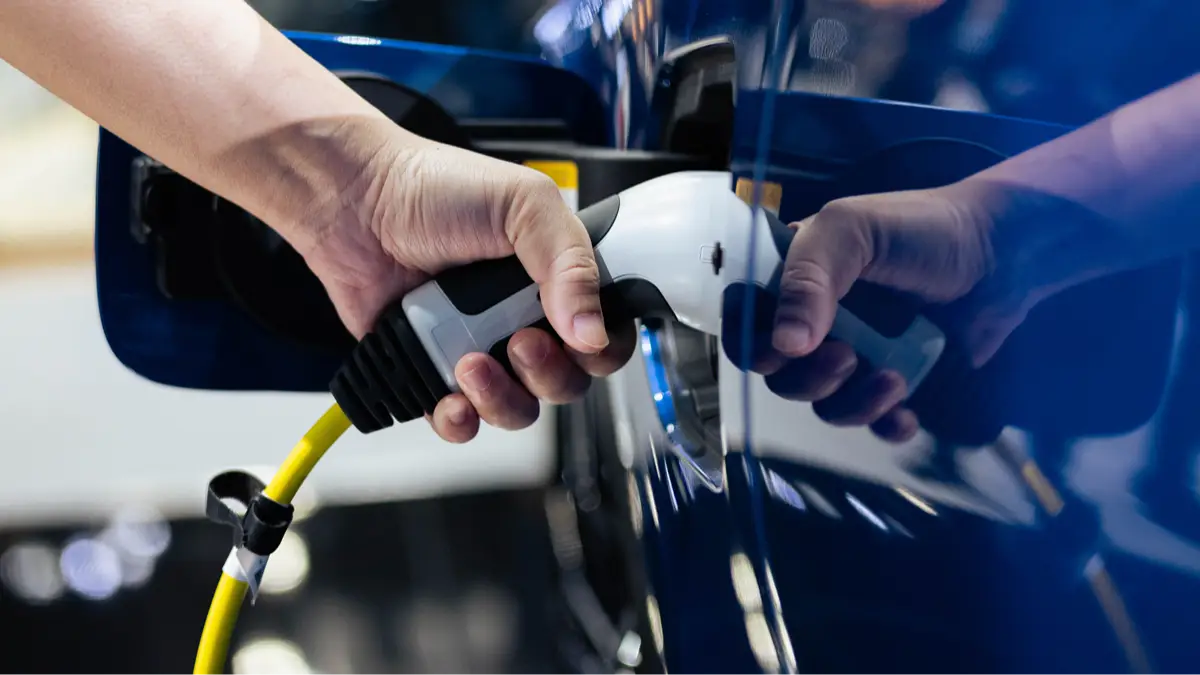
Electric car owner reveals the nine things he wished he knew before purchasing

Buying an electric car after years of owning gas guzzlers can be a huge transition for many motorists, unaware that choosing the greener option also means learning a whole new way of driving.
Despite this, lots of people who make the transition to electric would never go back, but that doesn't mean that making the eco-friendly choice is simple as many new owners are left with a whole host of questions.
After all, what are you meant to do with your car's jump cables now? And, with no engine in the front, where does the spare tire go?
These were the questions that struck Tech Radar's Philip Berne after he made the switch, trading his BMW X1 for Kia's electric SUV, the EV6.
Advert
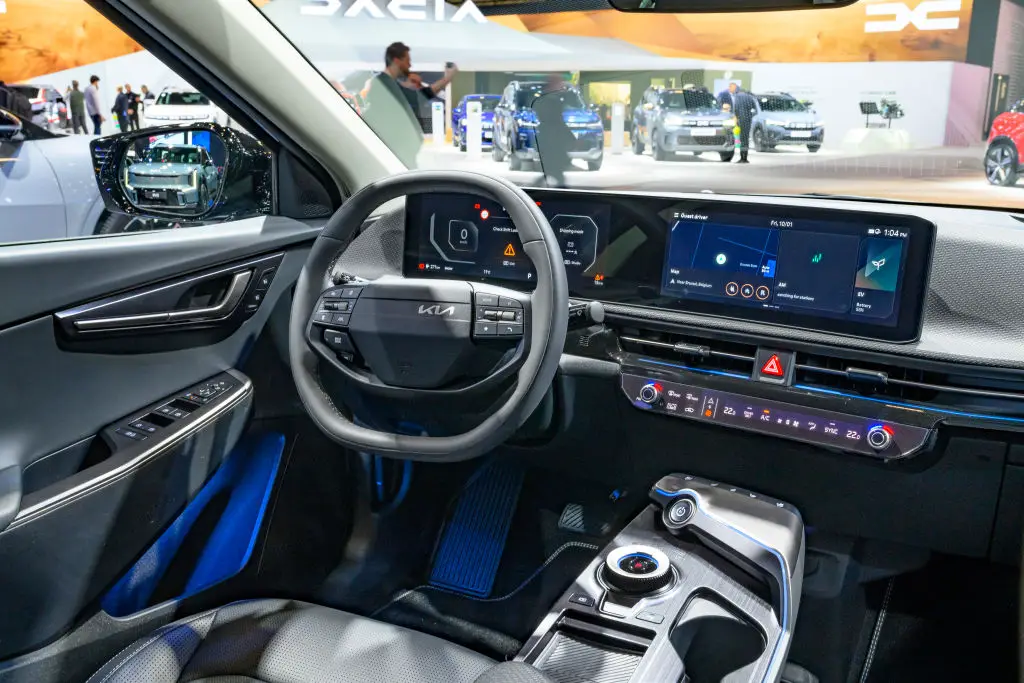
Get to know the difference between charging levels
Although leaving your car plugged in might seem simpler than going to a gas station, with a new way of powering your vehicle comes a whole host of new things to learn.
The most important thing is understanding the different levels of charging, as that will affect how long it takes for your car's battery to go from zero to 100.
For example, if you are not able to park directly outside your home, you won't be able to charge fast by installing a 'Level Two' outlet. These are handy for charging overnight, as they'll get you to full in about eight hours.
Otherwise, you might have to rely on a 'Level One' charger cable, which uses a standard three-prong household outlet and can take days to charge to full.
You'll still have to look into which cables are compatible with your vehicle, with newer electric models tending towards an industry standard charger.
Berne explained: "Most cars – including my 2022 Kia EV6 – use the so-called J1772 port, though the industry is shifting to Tesla’s NACS standard. The latest Kia EV6 uses NACS, so it works at every Tesla charging station and other compatible chargers."
Charging in public will cost you
To get your car juiced up quickly, you can use the more powerful chargers available at many public rest stops. These are often 'Level Three' outlets and can charge your battery to 80 percent in just 20 minutes.
However, if you start relying on these quick chargers, you could lose much of the benefit of owning an electric car. Namely, paying less per mile than a gas guzzler.
These chargers will cost you per kilowatt-hour (kWh) used, so regardless of the speed which your battery refills, you could end up spending almost as much as a full tank of gas.
Berne shared: "My car has a 77.4 kWh battery. If I pay $0.50/kWh, I'd pay $38.70 to drive around 300 miles. I figure that's roughly equal to paying $4/gallon for gas in my BMW. That’s not terrible, but it’s not exactly a savings."
But if you want to cut costs, charging at home will drop your price-per-mile drastically, as the domestic electricity rate is $0.13 per kWh.
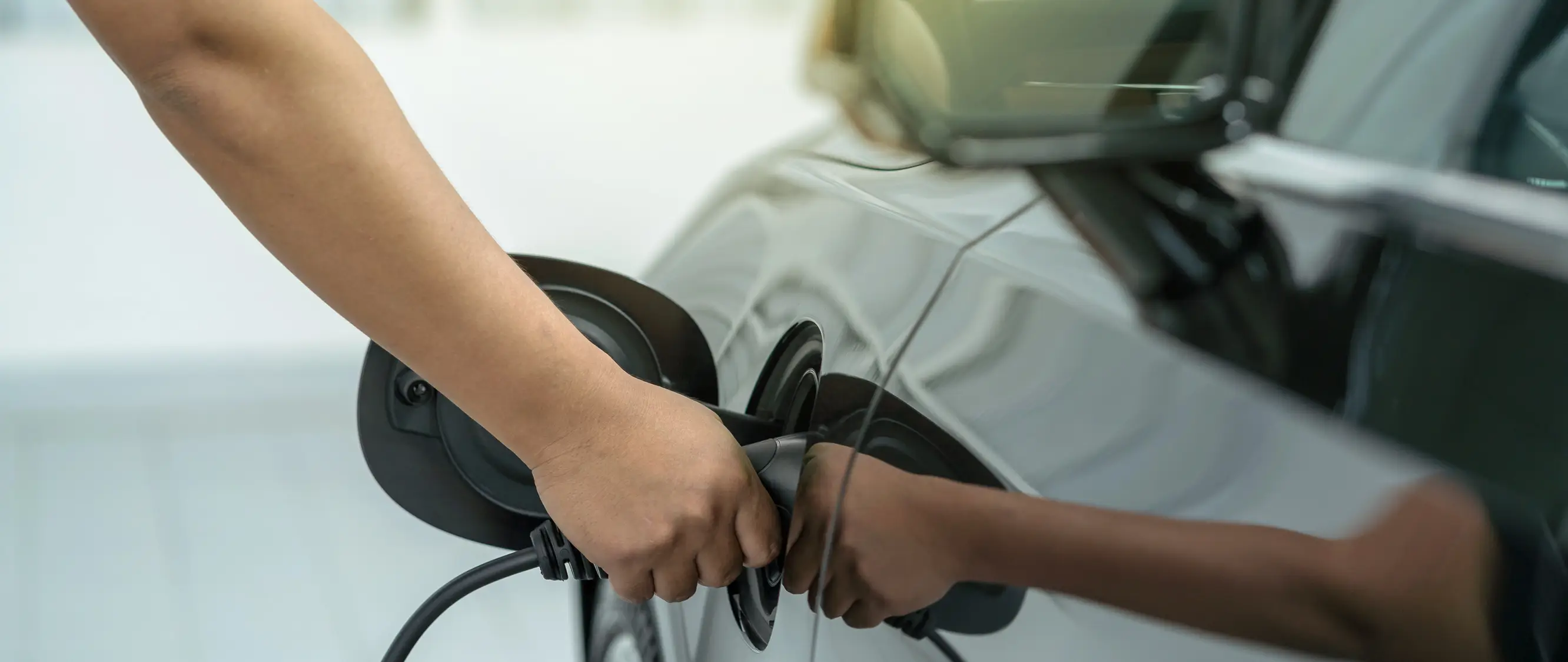
The app-ocalypse is coming
With the range of your vehicle relying on your ability to keep track of public chargers for a quick boost, you will quickly find your phone filling up with a wide variety of apps.
Charging points across the US are run by different organizations, with separate apps needed to use each one. So be aware, you could end up with half a dozen, with different account log-ins and fees.
But Berne has a handy tip: "The first app you need is PlugShare. It’s like Yelp for electric vehicle charging. Users report which stations are actually working, how much they cost, and how fast they charge, saving you from driving to a bad plug."
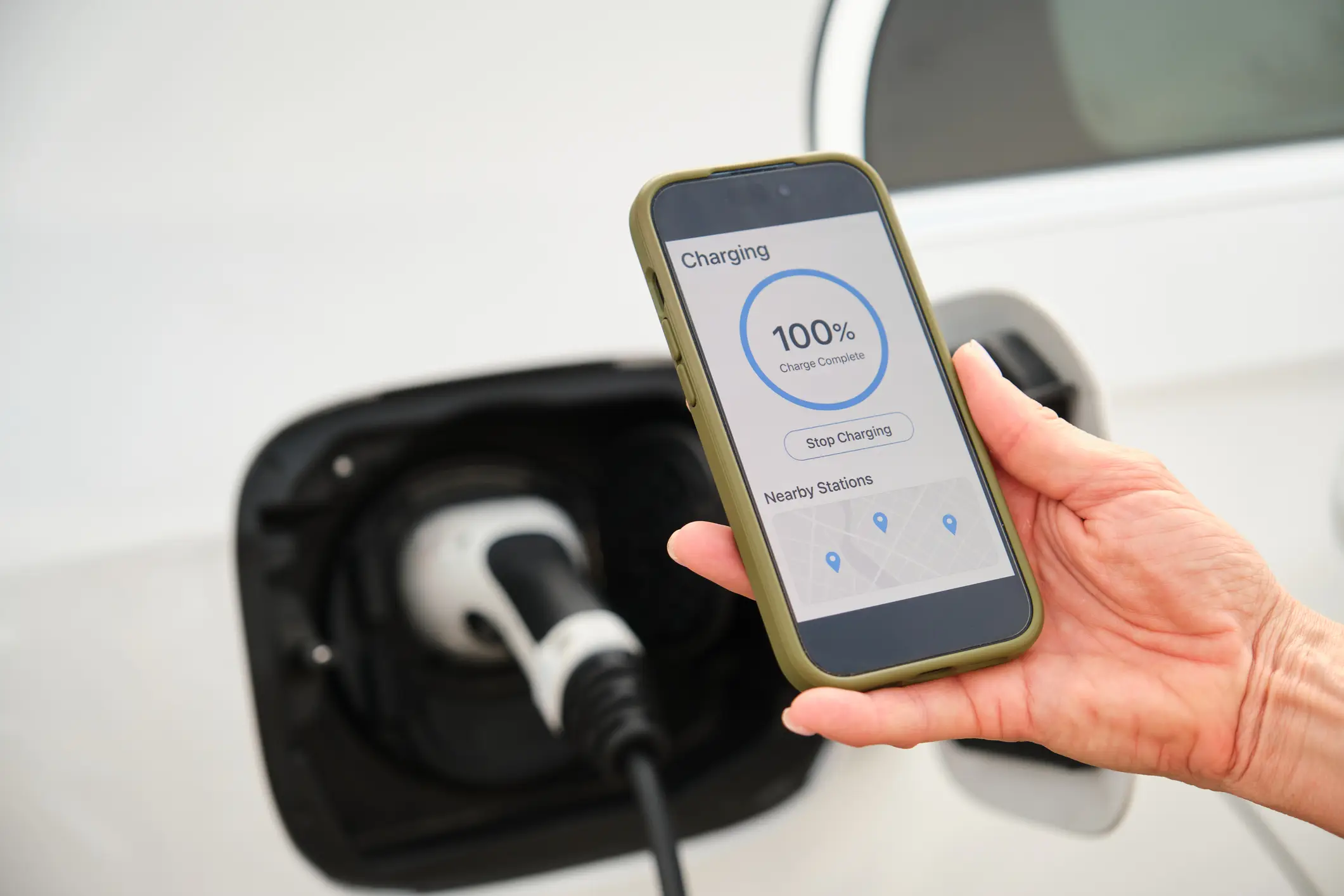
You don't need to hit 100 percent
It might seem nonsensical to go to the effort of recharging your car but not bother to get it to 100 percent, but it can be a waste of your time.
Electric battery chargers will get your vehicle to 80 percent as quickly as possible, but then fill the last 20 percent slowly to protect the life of the battery.
So if you are stopping at a gas station on a long journey and are looking for a refill, it will be quicker to just get the battery to 80 percent and get on your way.
This was Berne's experience with his new EV6 as he said: "My Kia hits 80 percent in 20 minutes.
"Getting to 100 percent takes another 20. It is much faster to drive 200 miles, charge for 20 minutes, and get back on the road than to wait for that final 20 percent."
In good weather, trust the battery's range
Unlike petrol cars, where it is better to be cautious with the range, if the sun is shining and the weather is warm, the range on your electric car is pretty accurate.
While driving on the highway is typically more efficient than city driving, for electric vehicles, bumper-riding traffic will not kill your range.
This is thanks to the way that they are able to recapture the energy lost through braking, but if you are blasting the AC and on-board electronics, your mileage will suffer.
In bad weather, don't
However, people who live in colder regions should try to underestimate their car's range.
Batteries generally do not work as well in cold conditions, with the chemical reactions inside taking longer and decreasing your car's performance.
You can mitigate this by parking in a heated garage or just taking the time to warm-up your battery before setting off. Some cars have an option to 'precondition' the battery and let it heat up.

You won't find a spare tire in the trunk
If your electric vehicle busts a tire, you might find yourself missing your old petrol car.
This is despite many having extra room where the engine would usually be. This 'frunk' gives you even more space, but you probably won't find a spare tire here.
This was a surprise to Berne, who said: "Every EV I've seen skips the spare to save weight and space for motors and batteries. If I get a flat, I have to call for a tow.
"As someone who knows how to change a tire, this makes me wary, but it’s the new normal."
You have two batteries so don't chuck the leads
With fewer moving parts, there are fewer things that can go wrong with your vehicle, but that doesn't mean you should throw out all of your old car stuff.
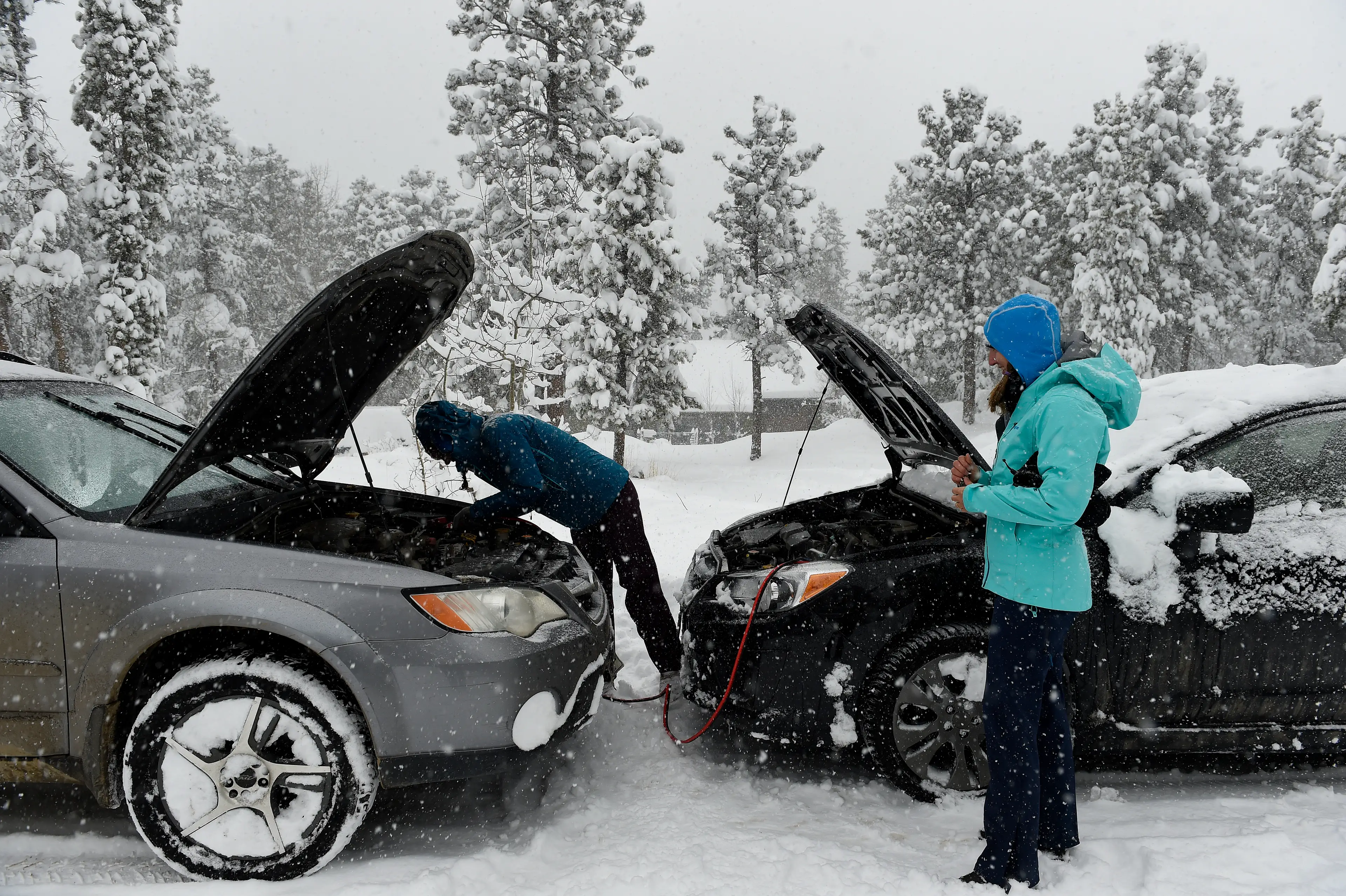
You will want to keep your jump leads, even though you've got rid of your internal combustion engine. Berne said he made a 'big mistake' when he threw his out.
He explained: "My EV6 has a 12V battery up front in addition to the big high-voltage battery that powers the motor. The smaller 12V battery powers the electronics, including vital systems such as the starter and the charging system."
If this battery dies, your car just won't start, or even charge. So keep your cables handy, or you might need to try a tricky jump start.
Remember to rotate your tires
Putting petrol behind you does not mean sacrificing speed or acceleration, in fact, you'll quickly discover just how quickly an electric-powered car can go.
Your car has instant torque, thanks to the battery, and will out-accelerate most gas guzzlers from a standing start. While this is a nice bonus, you might end up paying for it.
Not only does driving quickly use up your battery, due to the extra weight in an electric vehicle, it can also wear out your tires very quickly.
Without a spare in the trunk, this makes monitoring your tires much more important. Keep rotating them to ensure they wear evenly, and prepare to fork out regularly for a new set.
Topics: Cars, Electric Cars
 William Morgan