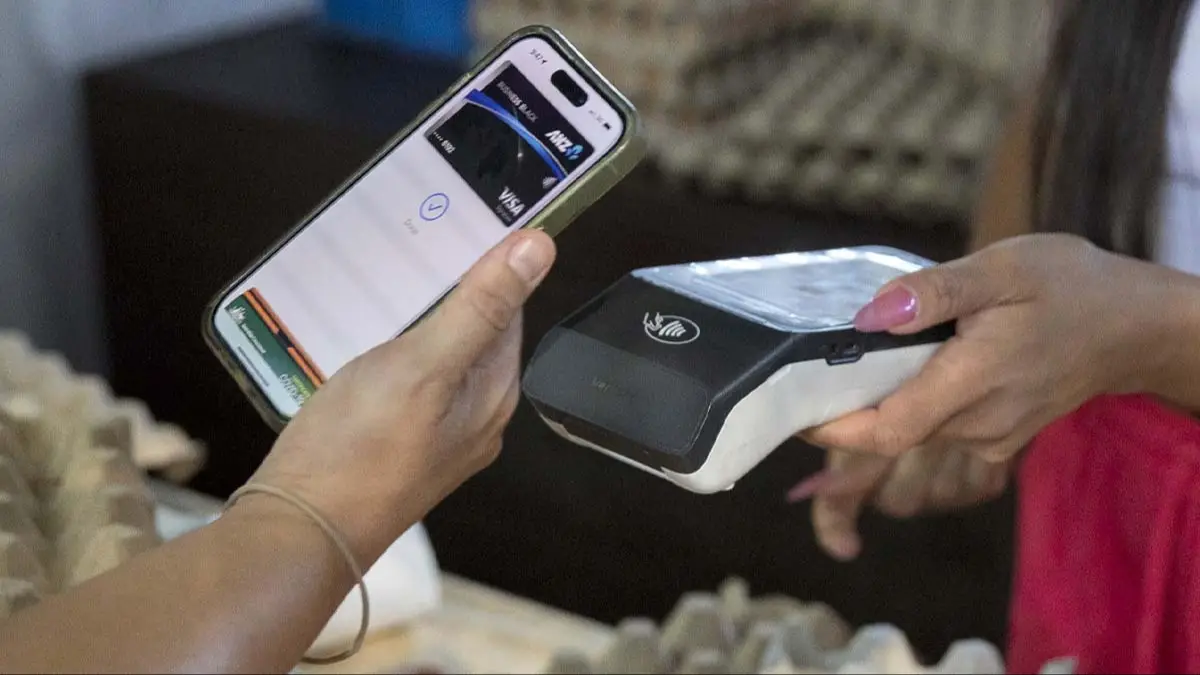
Experts issue warning to all iPhone users over Apple Pay scam that is draining bank accounts

Experts are sounding the alarm about a fraudulent scheme involving Apple Pay that's 'spreading quickly across the US'.
Last year it was reported that approximately 818 million people across the globe used Apple Pay, which is a secure, contactless mobile payment and digital wallet service designed by Apple that saves people from having to use a physical card.
With it this in mind, Apple Pay users are arguably perfect for fraudsters to target since there's so many of them.
Fraudulent schemes are nothing new, but experts are now warning of a new wave of incidents that Americans are falling victim to.
Advert
In this instance, criminals are using fake alerts and high-pressure phone calls or texts to steal money and personal information from people, said ConsumerAffairs in an April 8 report.
Supposedly people are being targeted through an official-looking text that may claim that there's been a suspicious looking charge made via Apple Pay.
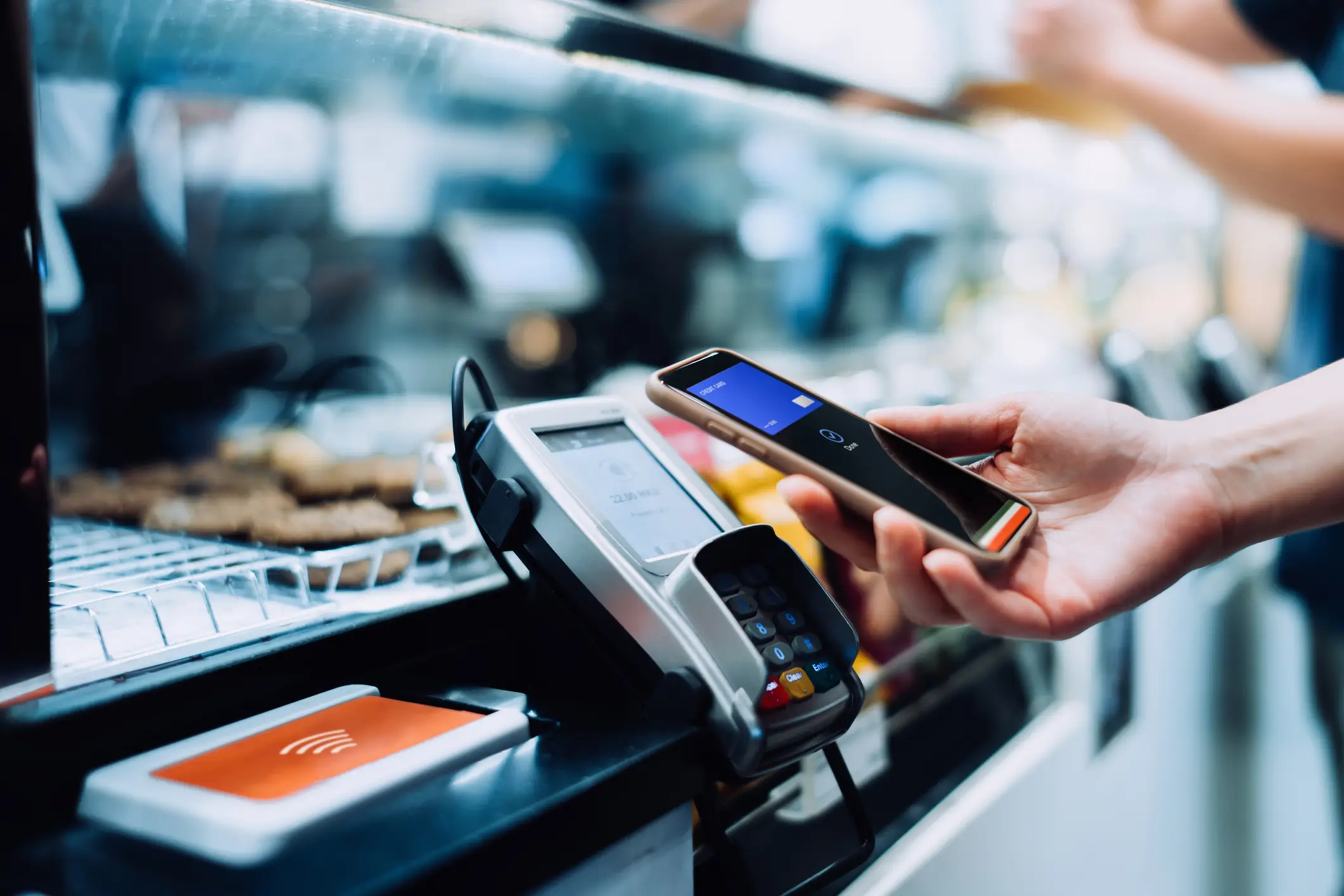
ConsumerAffairs said: "A series of reports highlights how convincing these schemes can be. In one case, a victim received a text warning of a suspicious Apple Pay charge and was urged to call a number for help. The call connected her directly to a scammer posing as an official investigator, who ultimately convinced her to withdraw $15,000."
"Fortunately, a bank teller recognized the scam and told her to hang up," it added.
Breaking down how the scam works, ConsumerAffairs said people may receive a message saying a purchase was attempted or declined, your account is locked or under investigation, or immediate action is required.
The consumer news platform proceeded to share red flags to look out for:
- Unexpected messages about Apple Pay activity
- Requests to call a number in a text or email
- Pressure to act immediately
- Requests for codes, passwords, or personal information
- Instructions to move money or lie to your bank
It further noted that a 'key rule' to keep in mind is that Apple does not send unsolicited texts asking you to call support or provide sensitive information.
Apple itself has previously issued some guidelines to help protect people from scammers.
"Eventually scammers will request your account information or security codes," it states on a support page.
"Typically, they will send you to a fake website that looks like a real Apple sign-in page and insist that you verify your identity.
"Apple will never ask you to log in to any website, or to tap Accept in the two-factor authentication dialogue, or to provide your password, device passcode or two-factor authentication code, or to enter it into any website."
UNILAD have approached Apple for comment.
Topics: Money, Technology, Apple, iPhone
 Niamh Shackleton