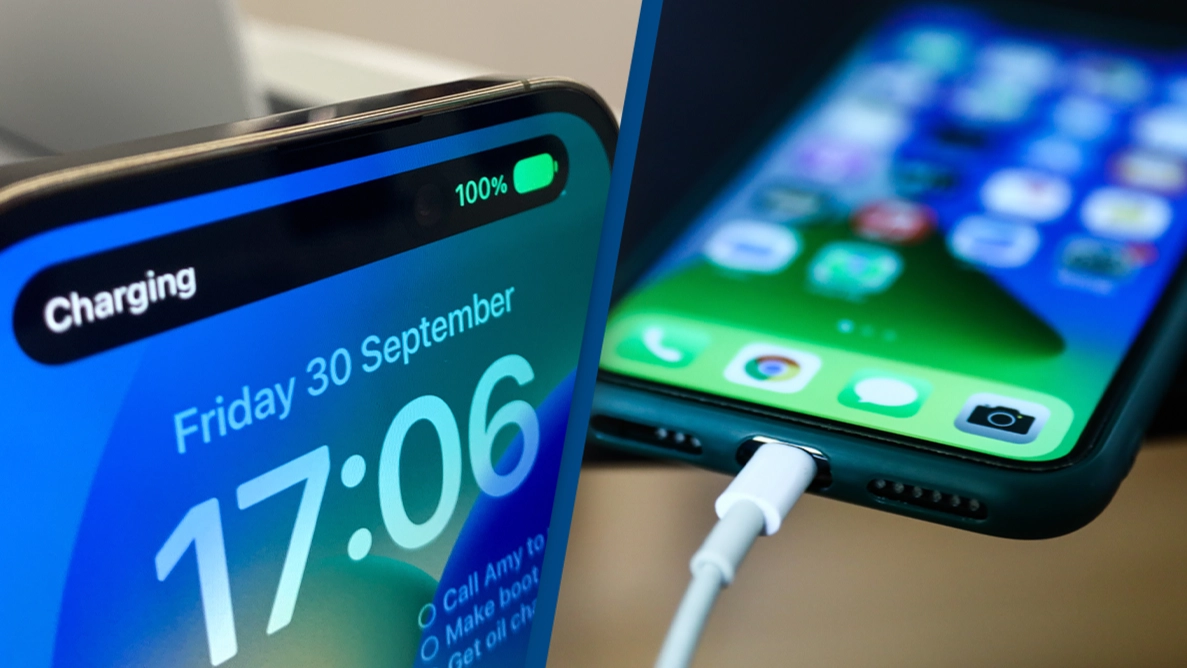
Apple debunks common charging myth that people claim could harm your battery

Apple has revealed whether or not it's actually bad to leave your phone on charge for long periods of time.
Don't leave your phone on charge overnight, no actually do, but make sure you don't let your phone run completely out of charge before you plug it in, let it get to 20 percent. Actually, no wait until it's completely out.
We've all seen the conflicting advice across social media on how to not mess up your iPhone's battery life, but what should you really be doing?
Advert
Well, here to clear up any confusion is the phone creator itself.
Apple's website notes 'for most customers' the battery in your iPhone should see you through 'the whole day'.
'But my phone only makes it to after lunch?' I hear you cry.
Well, you may have messed up your chances with your current iPhone's battery, but when you next get an upgrade, here's Apple's own top tips on keeping your phone's battery life in tip-top condition.
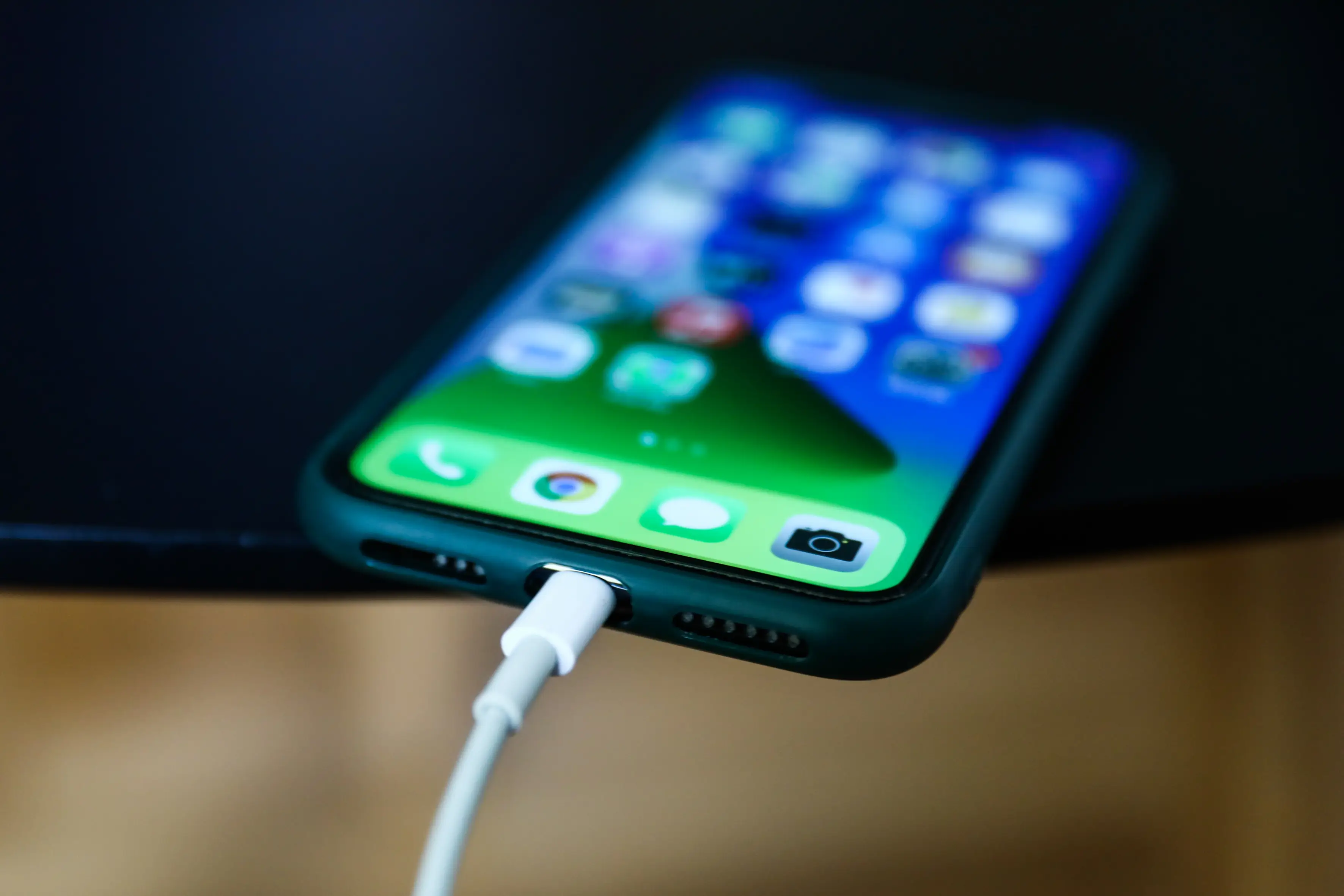
Quickly debunking a widespread theory you should never leave your phone charging overnight and should only charge it when it's completely out of juice, Apple's website states: "You can charge your iPhone every night even if the battery isn’t fully depleted."
It explains: "iPhone automatically stops charging when the battery is fully charged, so it’s safe to keep your iPhone connected to a charger overnight. Charging resumes automatically if your battery level drops below 95 percent."
However, it notes 'when possible' it is beneficial to 'unplug your iPhone after it has fully charged'.
But if not, you don't have to be quite as concerned as everyone tells you to be.
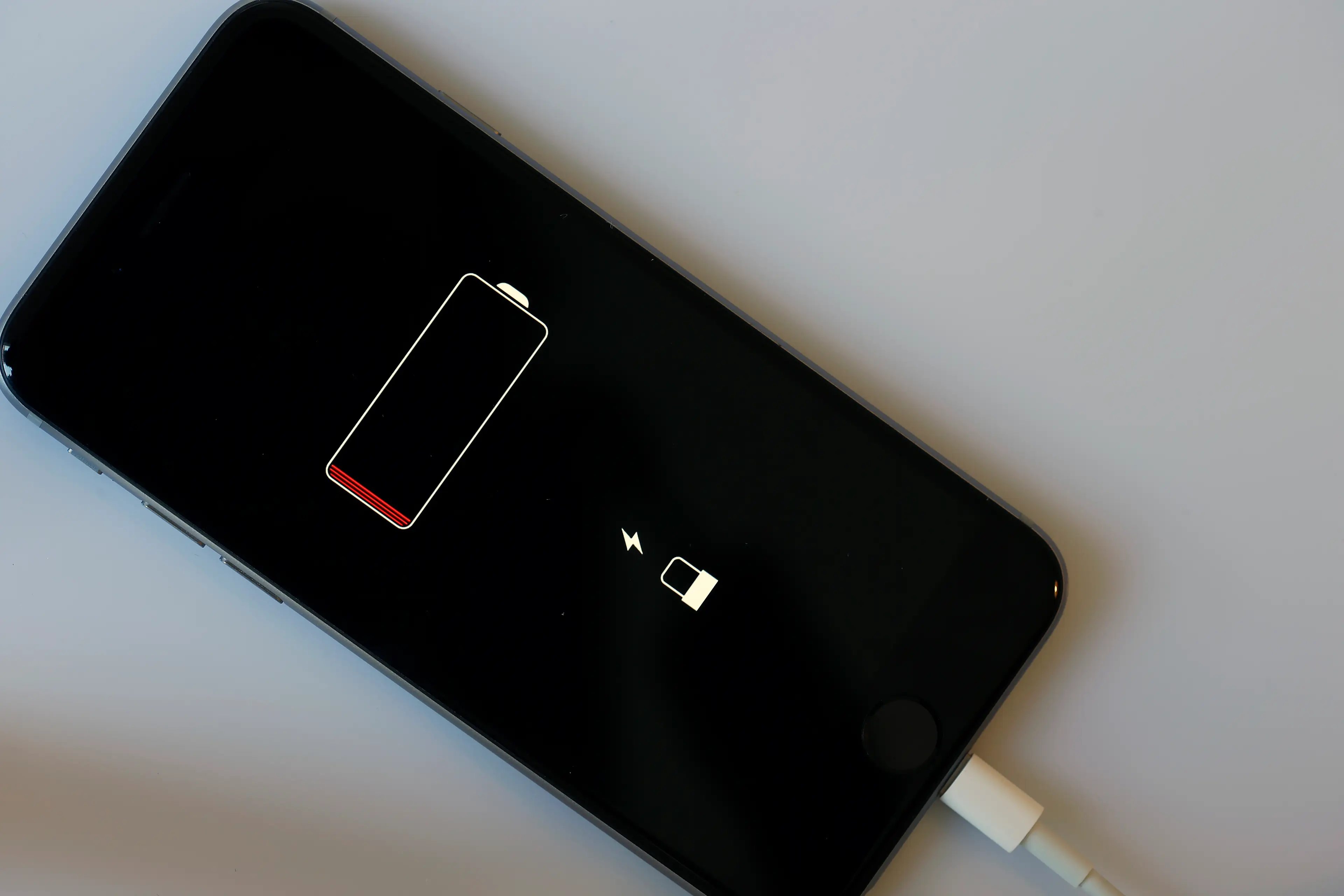
Apple explains 'by default, your iPhone uses Optimised Battery Charging' which 'improves your battery's life span' by 'reduc[ing] the time your iPhone spends fully charged'.
"It fully charges your iPhone just in time for you to use it," Apple continues. "A battery warms up as it charges, which can reduce its lifespan. To reduce the effect of heat and prevent overheating, iPhone gradually reduces the charging current as the battery approaches full charge."
However, there are still a few certain factors to take into consideration when charging your phone, even if you don't have to worry quite as much as you previously thought about leaving it plugged in overnight.
Apple explains temperature can have a pretty big impact on your battery.
While iPhones are designed to 'perform well in a wide range of ambient temperatures,' the 'ideal comfort zone' is from '16° to 22°C (62° to 72°F)' the tech company notes.
And should the temperature be higher? Well, if you're lucky enough to live somewhere which reaches above 35°C (95°F) or have bagged yourself an pre-summer vacation, you should 'avoid using or charging your device' until it's cooled down a bit or you could risk 'permanently reduc[ing]' your battery's lifespan.
And if you're living somewhere cooler than 16°C? Well, first of all, unlucky, but second of all, your device should be OK. You may see your battery life seemingly decrease, but this is just 'temporary' and it will return to normal once the battery's temperature returns to the 'normal operating range'.
So, there you have it, the experts have spoken.
Topics: Apple, Phones, Technology, iPhone
 Poppy Bilderbeck