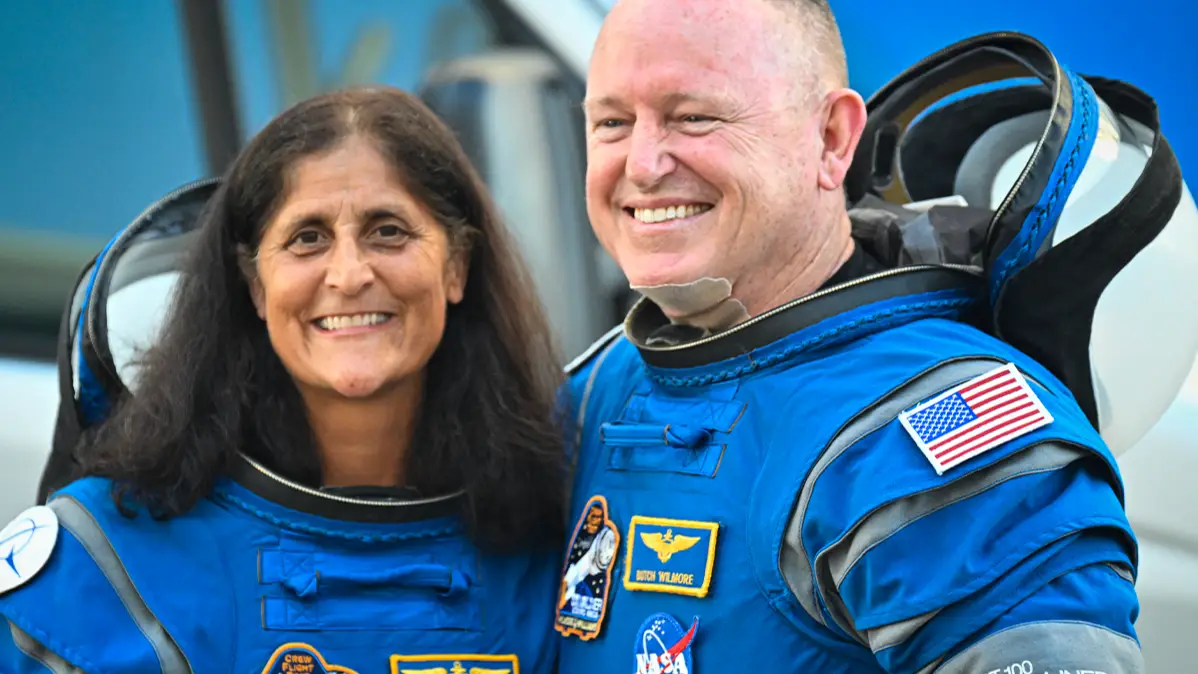
unilad homepage
unilad homepage
  • News
    • UK News
    • US News
    • World News
    • Crime
    • Health
    • Money
    • Sport
    • Travel
  • Music
  • Technology
  • Film and TV
    • News
    • DC Comics
    • Disney
    • Marvel
    • Netflix
  • Celebrity
  • Politics
  • Advertise
  • Terms
  • Privacy & Cookies
  • LADbible Group
  • LADbible
  • SPORTbible
  • GAMINGbible
  • Tyla
  • UNILAD Tech
  • FOODbible
  • License Our Content
  • About Us & Contact
  • Jobs
  • Latest
  • Archive
  • Topics A-Z
  • Authors
Facebook
Instagram
X
Threads
TikTok
YouTube
Submit Your Content
Laws in space that NASA had to follow while astronauts were stranded there for nine months
Home>Technology>NASA
Updated 16:05 19 Mar 2025 GMTPublished 16:04 19 Mar 2025 GMT

Laws in space that NASA had to follow while astronauts were stranded there for nine months

Butch Wilmore and Sunita Williams were stuck in space for 286 days, in that time NASA and SpaceX had to figure out their return

Joe Yates

Joe Yates

google discoverFollow us on Google Discover
Featured Image Credit: MIGUEL J. RODRIGUEZ CARRILLO/AFP via Getty Images

Topics: NASA, International Space Station, Space, SpaceX

Joe Yates
Joe Yates

Joe is a journalist for UNILAD, who particularly enjoys writing about crime. He has worked in journalism for five years, and has covered everything from murder trials to celeb news.

X

@JMYjourno

Advert

Advert

Advert

As Butch Wilmore and Suni Williams floated around the International Space Station for nine months, their employer NASA had to follow strict rules.

Having initially launched into space on the grounds that they would return eight days later, before their return shuttle experienced a host of technical issues that meant it was too dangerous to use, the two astronauts touched down yesterday (March 18).

It was thanks to SpaceX's Dragon capsule, which arrived at the ISS to drop off other astronauts who could relieve the pair of their duties.

Advert

So, let's dive straight into the laws they faced.

The Outer Space Treaty (1967)

This is the main law to abide by for NASA as they attempted to rescue their stranded workers, with one term reading: "Astronauts shall be regarded as the envoys of mankind."

"States shall not place nuclear weapons or other weapons of mass destruction in orbit or on celestial bodies or station them in outer space in any other manner," part of the treaty reads.

With another term reading: "States shall avoid harmful contamination of space and celestial bodies."
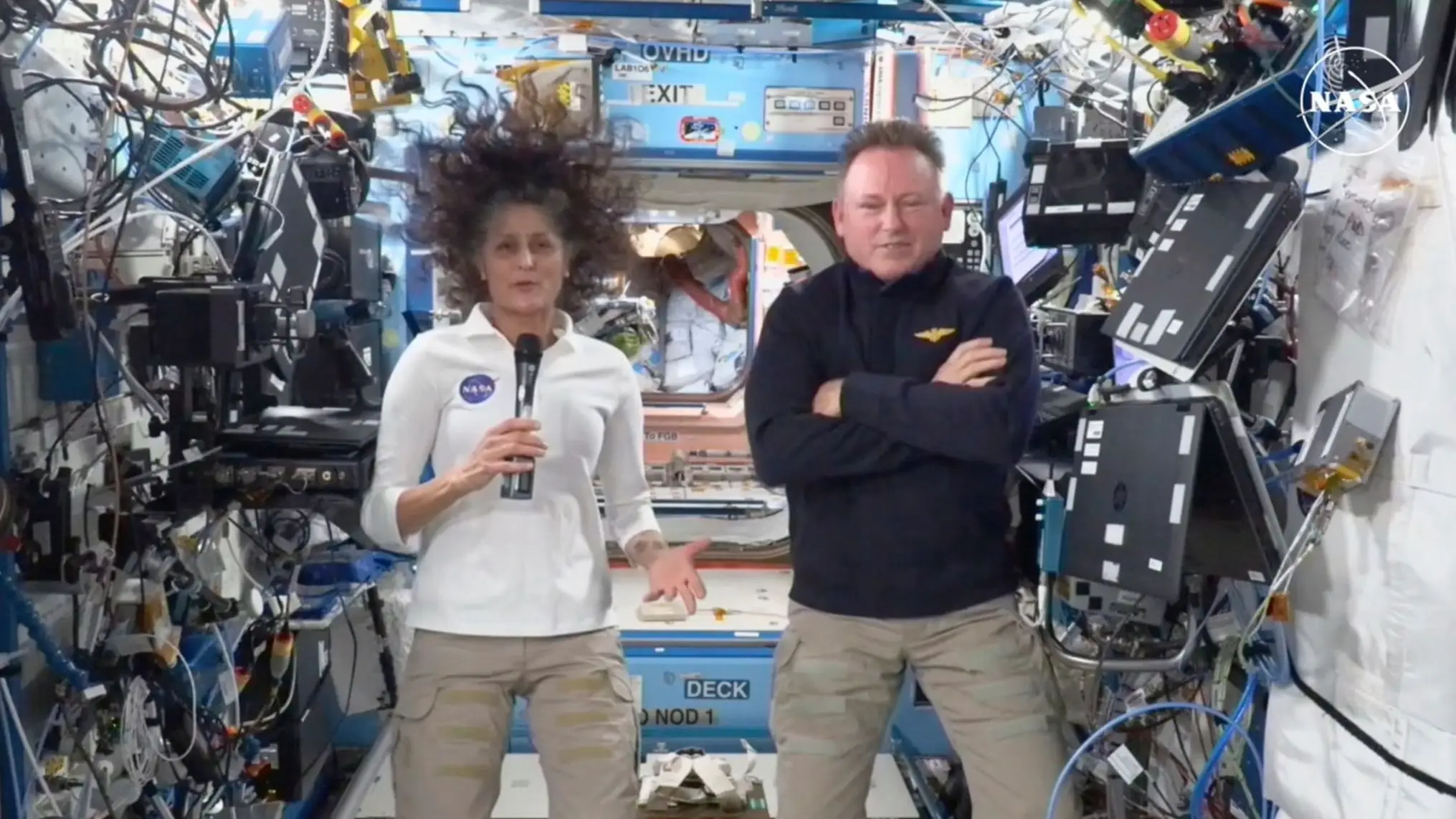
Sunita Williams and Butch Wilmore were stranded in space for nine months (NASA)

The Rescue Agreement (1968)

It primarily expands on the first treaty. It mandates that countries that have explored space should take all possible measures to rescue astronauts in need.

"States Parties to the Treaty shall regard astronauts as envoys of mankind in outer space and shall render to them all possible assistance in the event of accident, distress, or emergency landing on the territory of another State Party or on the high seas," article five of The Outer Space Treaty reads.

"In carrying on activities in outer space and on celestial bodies, the astronauts of one State Party shall render all possible assistance to the astronauts of other States Parties."

The Liability Convention (1972)

Again, it expands on The Outer Space Treaty - if NASA caused damage to either an spacecraft or anything on Earth while trying to rescue Williams and Wilmore, they would be liable for damages.
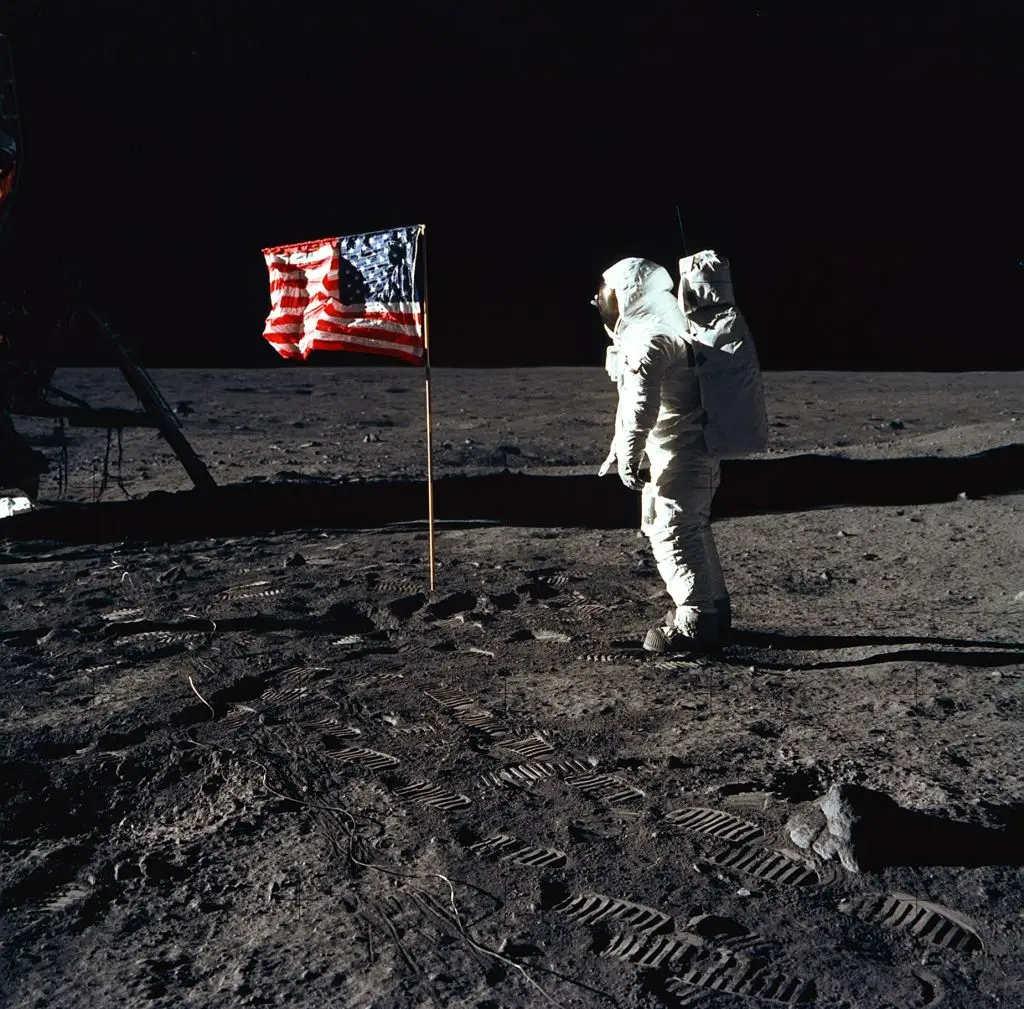
Buzz Aldrin stands next to the US flag during his and Neil Armstrong's moon walk, with the pair becoming the first people to land on the moon (NASA/Newsmakers)

The Registration Convention (1976)

Okay, this isn't something NASA would have particularly had to worry about but it's the fourth of the five international space treaties.

According to the UN, it 'requires countries to register their orbiting space objects with the UN. The UN Secretary-General maintains this registry ensuring access to the information provided by countries and international intergovernmental organizations'.

The Moon Agreement (1984)

Finally, the last of the treaties is the Moon agreement, and this would have certainly not crossed the minds of NASA or SpaceX when looking to return Wilmore and Williams safely.

It just outlines that the Moon and other celestial bodies should be used only for peaceful purposes, and it prohibits disrupting the environment on external planets and natural satellites.

  • Astronauts on ISS prepare for potential evacuation over air leak as NASA issues statement
  • 'Stranded' NASA astronauts finally reveal terrifying truth behind what really happened to ship in space
  • NASA announces timeline of astronauts' evacuation from International Space Station due to 'serious medical issue'
  • Three astronauts stranded in space after capsule was struck by 'mystery object'

Choose your content:

23 hours ago
2 days ago
  • Getty Stock Photo
    23 hours ago

    iPhone users are just discovering what the orange and green dots on their screen really mean

    Apple's support page has explained what the dots mean

    Technology
  • Getty Stock Image
    2 days ago

    Experts reveal why common email apology is actually making co-workers hate you

    Many way want to rethink their phrasing, as one common phrase is seen as 'irritating'

    Technology
  • Justin Sullivan/Getty Images
    2 days ago

    How to use Downdetector to see when top sites like Facebook and Instagram go down

    With outages hitting platforms seemingly all the time, this free tool tells you instantly whether it's your connection or a bigger problem

    Technology
  • Thilina Kaluthotage/NurPhoto via Getty Images (edited)
    2 days ago

    Facebook down as thousands of users report issues

    Reports are flooding in from users unable to access the platform, here's what we know so far

    Technology