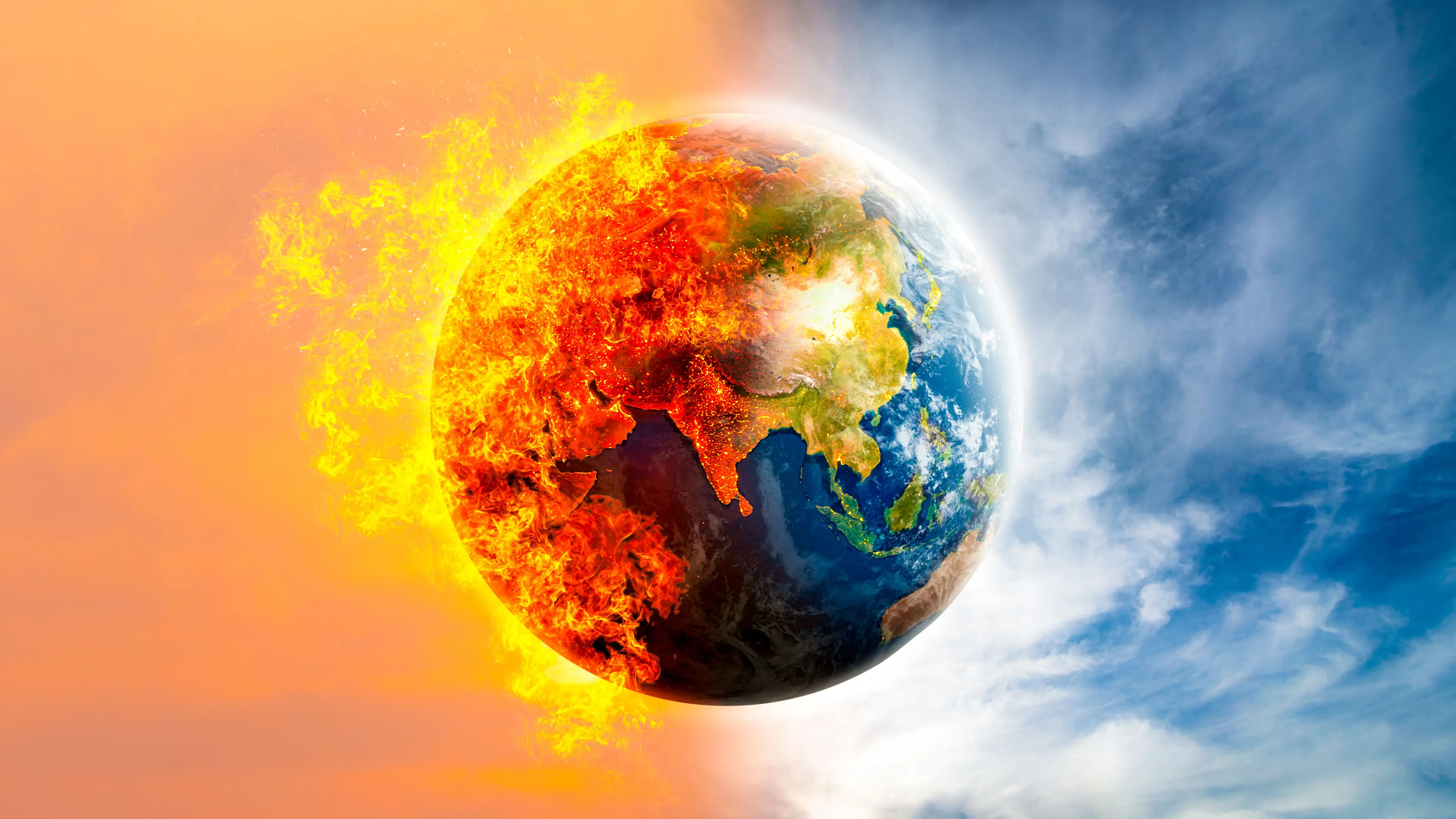
Concerning new climate alert issued as UN stresses Earth 'is being pushed beyond its limits'

The UN has just sound yet another climate alarm as its weather agency stressed that the planet is now more out of sync than at any point in recorded history.
The World Meteorological Organization (WMO) has said Earth is holding onto far more heat than it is able to release, and that growing imbalance is being fueled by greenhouse gases like carbon dioxide.
In simple terms, the planet is overheating - and the knock-on effects are already being felt across oceans, glaciers, sea ice, and global temperatures.
According to the WMO, 2025 was one of the three hottest years ever recorded, with global average temperatures sitting around 1.43C above pre-industrial levels.
Advert
A temporary La Niña cooling pattern - which is a recurring natural climate pattern marked by cooler-than-usual surface waters across the central and eastern equatorial Pacific Ocean - stopped it from overtaking 2024, but that did little to slow the broader trend.
In fact, the agency says the last 11 years have been the hottest 11 years since records began in 1850.
In a stark warning, UN Secretary General António Guterres said: "Planet Earth is being pushed beyond its limits. Every key climate indicator is flashing red."
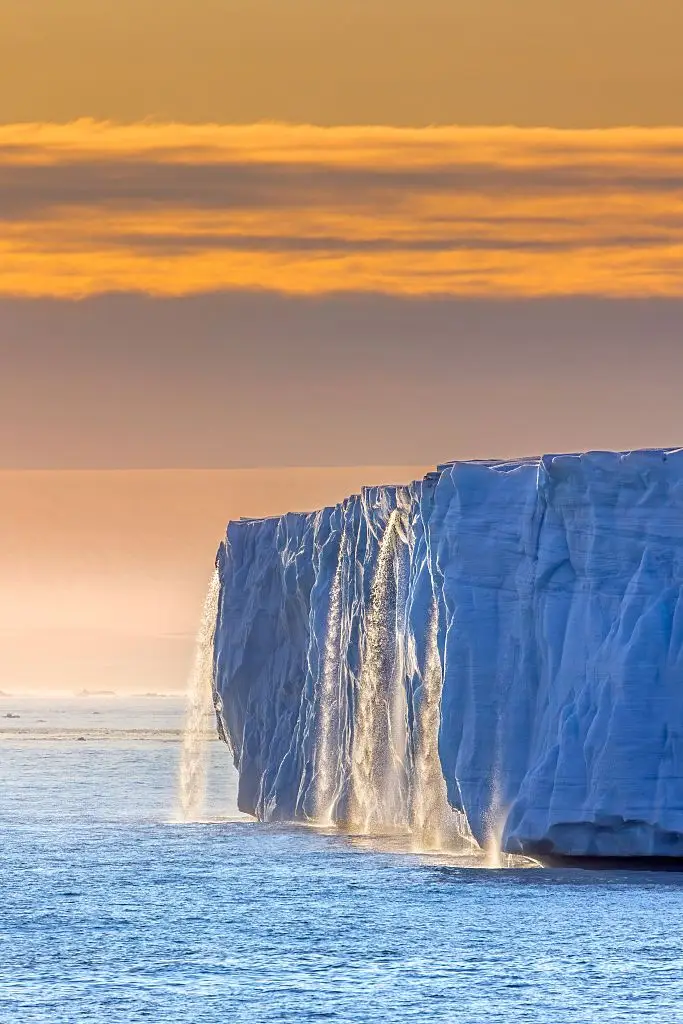
That message was backed up by the WMO’s findings, which showed that the planet’s so-called 'energy imbalance' hit a new record last year - scientists say this imbalance is one of the clearest signs yet that climate change is accelerating.
While experts are still studying why the heat build-up has risen so sharply in recent years, they say there is no real doubt about the main driver - human-produced greenhouse gas emissions.
More than 90 percent of the excess heat is being absorbed by the oceans, with temperatures in the upper 2 kilometers of seawater reaching another record high last year.
Again, that brings even more serious consequences, from stronger storms to rising sea levels and growing damage to marine ecosystems.
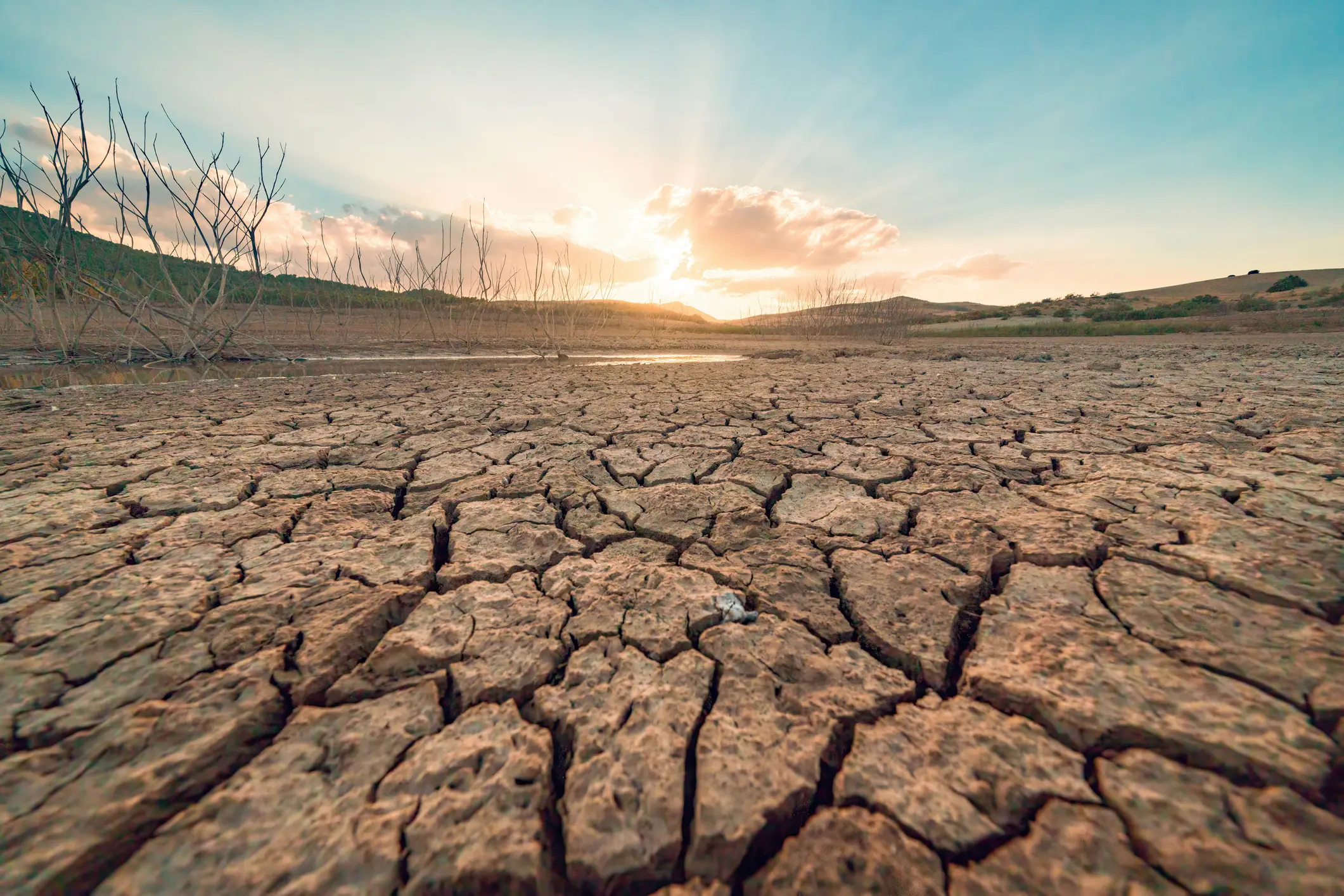
At the same time, glaciers endured one of their five worst years on record in 2024/25, while sea ice in both polar regions stayed at or near historic lows for much of 2025.
Prof Celeste Saulo, secretary general of the WMO, added: "Human activities are increasingly disrupting the natural equilibrium and we will live with these consequences for hundreds and thousands of years."
There are also fears things could get even worse soon, with forecasters watching for El Niño to develop later in 2026 - and if that happens, scientists say it could shove temperatures to even more alarming levels into 2027. As Dr John Kennedy of the WMO put it:
"If we transition to El Niño we will see an increase in global temperature again, and potentially to new records," added WMO's Dr John Kennedy.
The fresh warning also lands amid renewed criticism of President Donald Trump’s climate stance, after Gina McCarthy previously slammed his approach to as 'shortsighted, embarrassing and foolish', after withdrew the US from the UN Framework Convention on Climate Change (UNFCCC) treaty.
Topics: Climate Change, Environment, Donald Trump
 Joe Yates