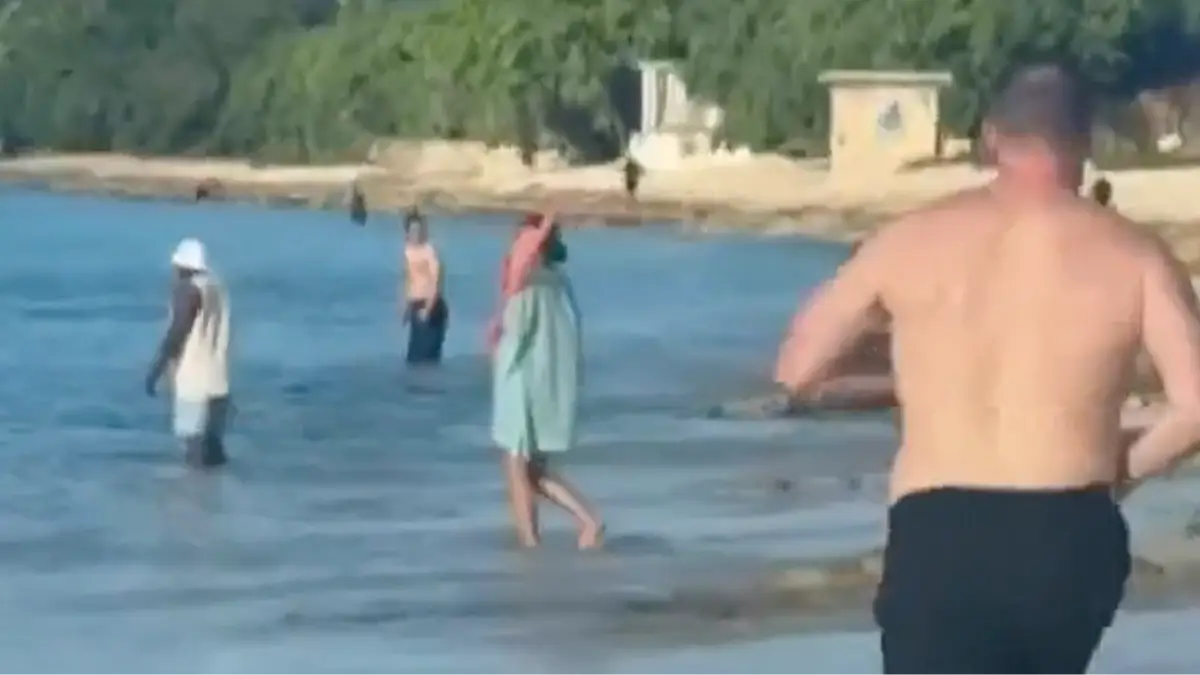
Harrowing video shows man trying to save woman in fatal shark attack as authorities release details

A hero recalled his selfless attempt to rescue a woman from a shark attack.
Arlene Lillis from Minnesota had been swimming off the island of St. Croix in the Virgin Islands when she was attacked by a shark.
Not hearing the shouts of alarm on the beach, registered nurse Christopher Carroll from Spanish Fork in Utah rushed into the water in attempt to bring her to safety.
But when he got there, Christopher made the horrifying discovery that Arlene, 56, had been the victim of a shark attack.
Advert
He was able to get the still conscious Arlene back to the shore, reassuring her that she was not alone and that she would be taken to get medical help.
Tragically, despite his heroic efforts to save her, Arlene would later die from her injuries in hospital.

Christopher recalled realizing that there had been a shark attack as he approached Arlene in the water, which was filled with blood.
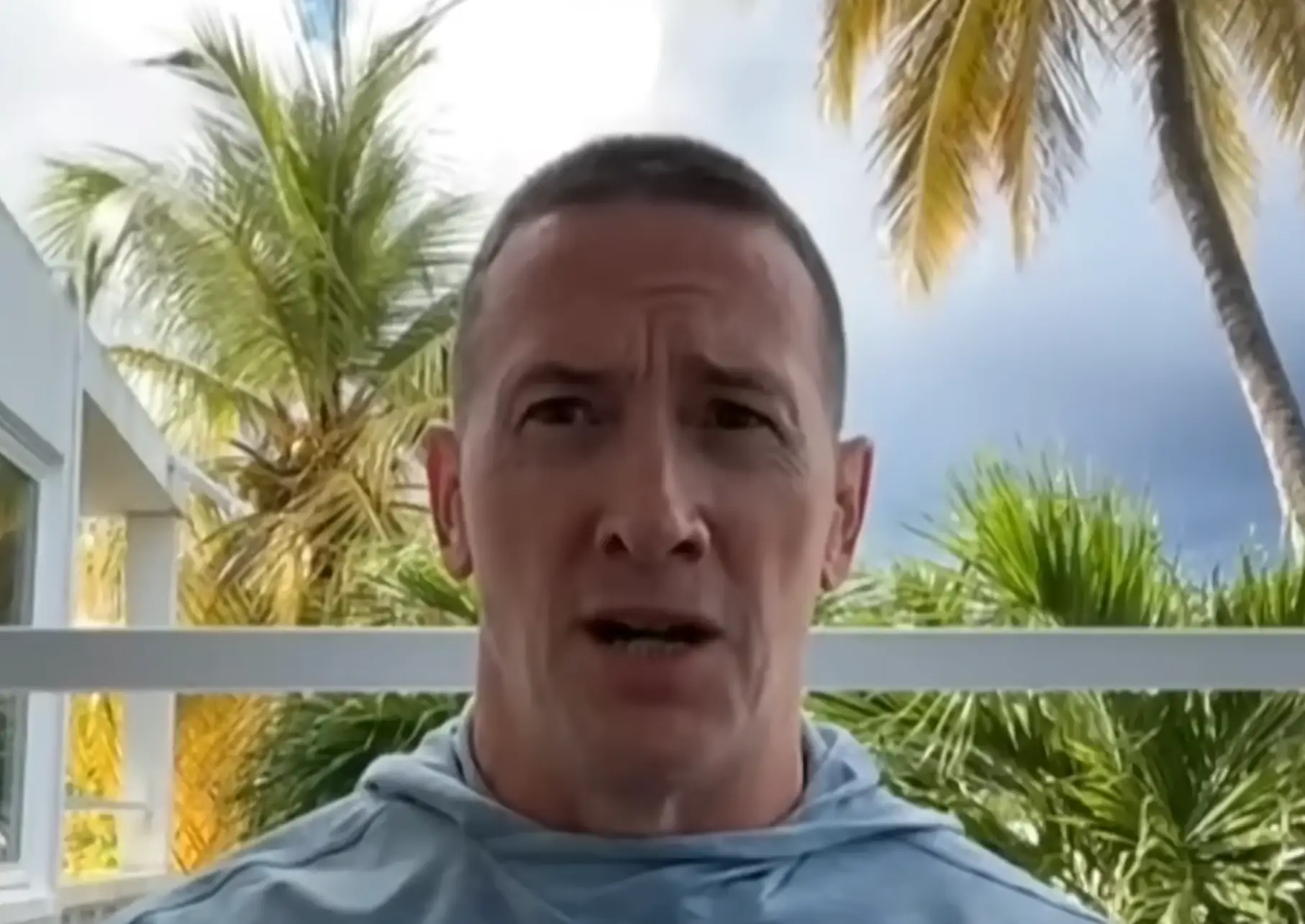
Speaking to TODAY, he said: "There were people shouting, 'Don't go, there's a shark', but I didn't hear any of it. I didn't hear it at all.
"My second clue should have been that nobody was in the water."
When he found her, Christopher discovered the nature of her injuries.
"Her arm had been amputated below the elbow," he said. "At that point I knew it was a big, big shark."
He recalled how he had tried to reassure her as he got her back to dry land, saying: "She said she didn't think she was going to make it, and I told her she was going to be okay, and I just kept trying to reassure her that she wasn't alone, we're gonna get her help and get her to the hospital."
A friend of the family Andrew Gamble paid tribute to Arlene, saying: "She loved the water, she loved people. She was a wonderful human being."
Thankfully, shark attacks are a relatively rare occurrence.
A lot of attacks, though not all, involve a shark mistaking a human for a food source and leaving when they realize that it is not food.
Unfortunately, the force of even an exploratory bite is so strong that it can inflict life-changing and life-threatening injuries on someone.
There are hundreds of species of sharks, but only a handful are dangerous to humans.
Species which most commonly attack humans are Great Whites, Tiger Sharks, and Bull Sharks, all of which mostly live in shallower coastal waters.
This habitat brings them into more frequent contact with humans than ocean-going species such as Oceanic White Tips and Blue Sharks, though both of these species have also been responsible for fatal attacks.
Topics: News, World News, Shark
 Kit Roberts