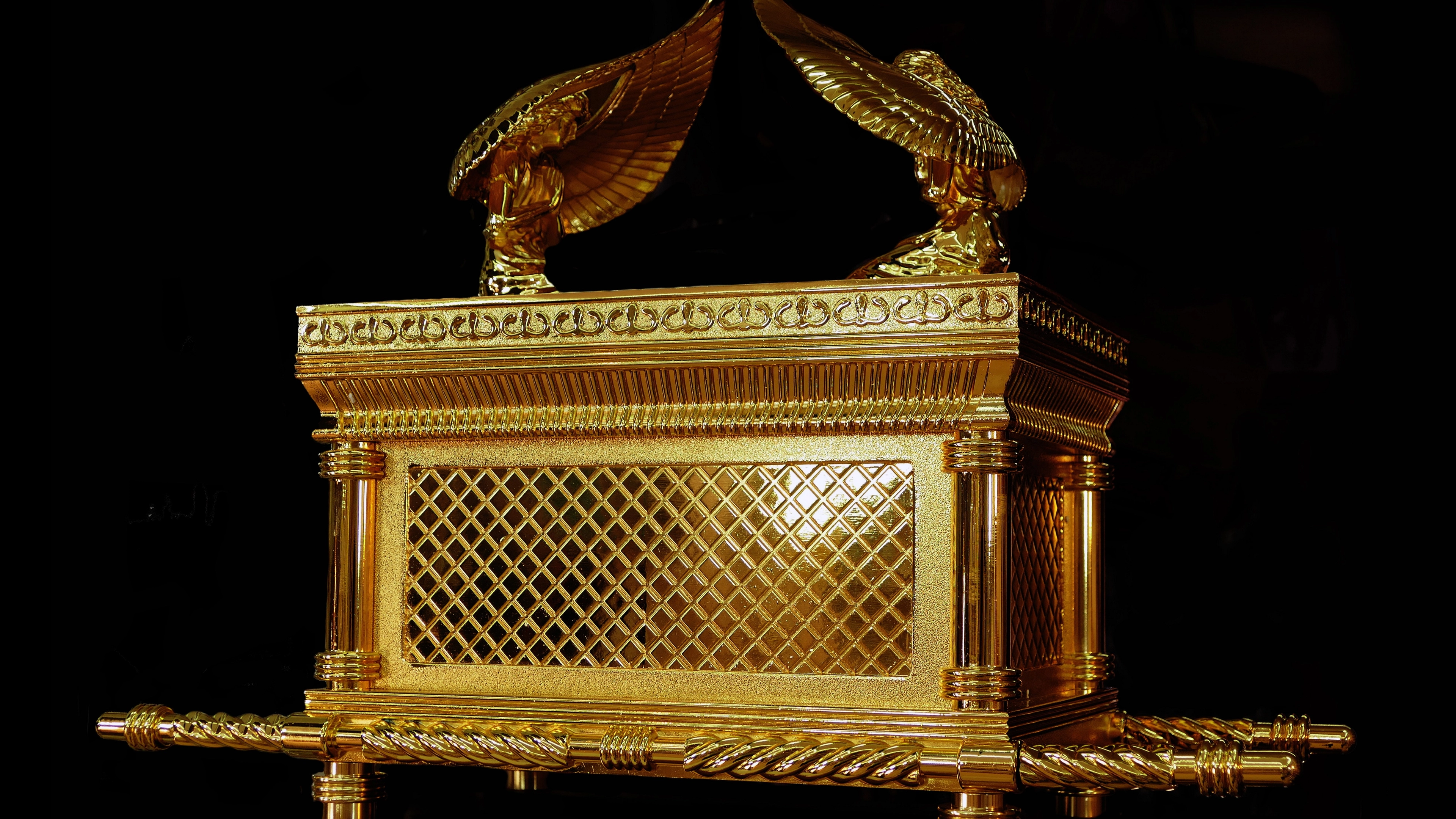
Archeologist claims to know where Lost Ark is hidden and wants to use new tech to find it

An archeologist claims to have guessed the location of a 'lost ark'.
It's an object which has long captured the public imagination, sparking everything from mystery books to, of course, blockbuster films, with Harrison Ford playing the intrepid Indiana Jones.
Now, archaeologist Dr Chris McKinny has shared a theory on where the Lost Ark could actually be located, saying he is 'excited and hopeful for what will come', the Daily Mail reported.
What is the 'Lost Ark'?
The Ark of the Covenant is a religious storage chest which is believed to have contained the tablets upon which were written the Ten Commandments, which Moses was given by God after the Israelites fled Egypt.
In the Bible, it may have been built after the Israelites left Egypt, which would be the 13th century BC, and it is thought that it was then kept inside the Holy of Holies, which was the central, most sacred chamber of the temple in Jerusalem.
Advert
However, its history tails off in 586BC when the artefact vanished after Jerusalem was sacked by the Babylonians.
A new theory on the Lost Ark's whereabouts
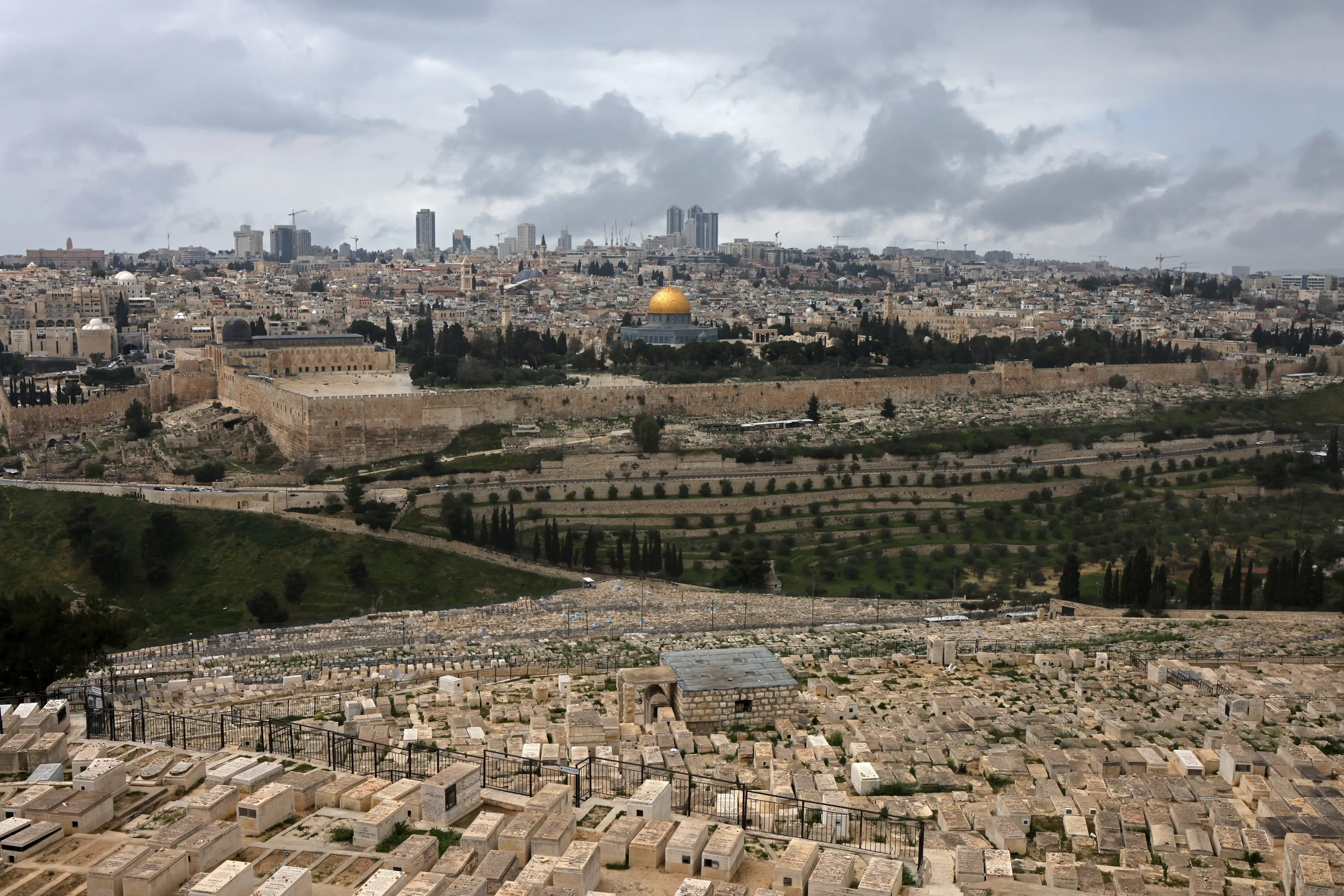
Dr McKinny has hinted that the Ark may be concealed in an underground chamber in the City of David, perhaps hidden there to save it from the Babylonians.
This is a location south of the Temple Mount in Jerusalem, which is the site of the Al-Aqsa mosque and the Dome of the Rock, and may be the site of several tunnels and cavities underground.
Now, researchers are planning to use technology which can detect concealed spaces underground, as well as metals.
And Dr McKinny suggested that if the Ark still exists and is buried there and matches the description of being plated with gold, then it could show up on the scans, which work by using muons detectors.
Muons are subatomic particles which occur due to cosmic rays, and are a way to scan underground without needing to excavate.
Excavation can be expensive and time-consuming, as well as sometimes inadvertently causing damage to the very things that archaeologists are trying to find.
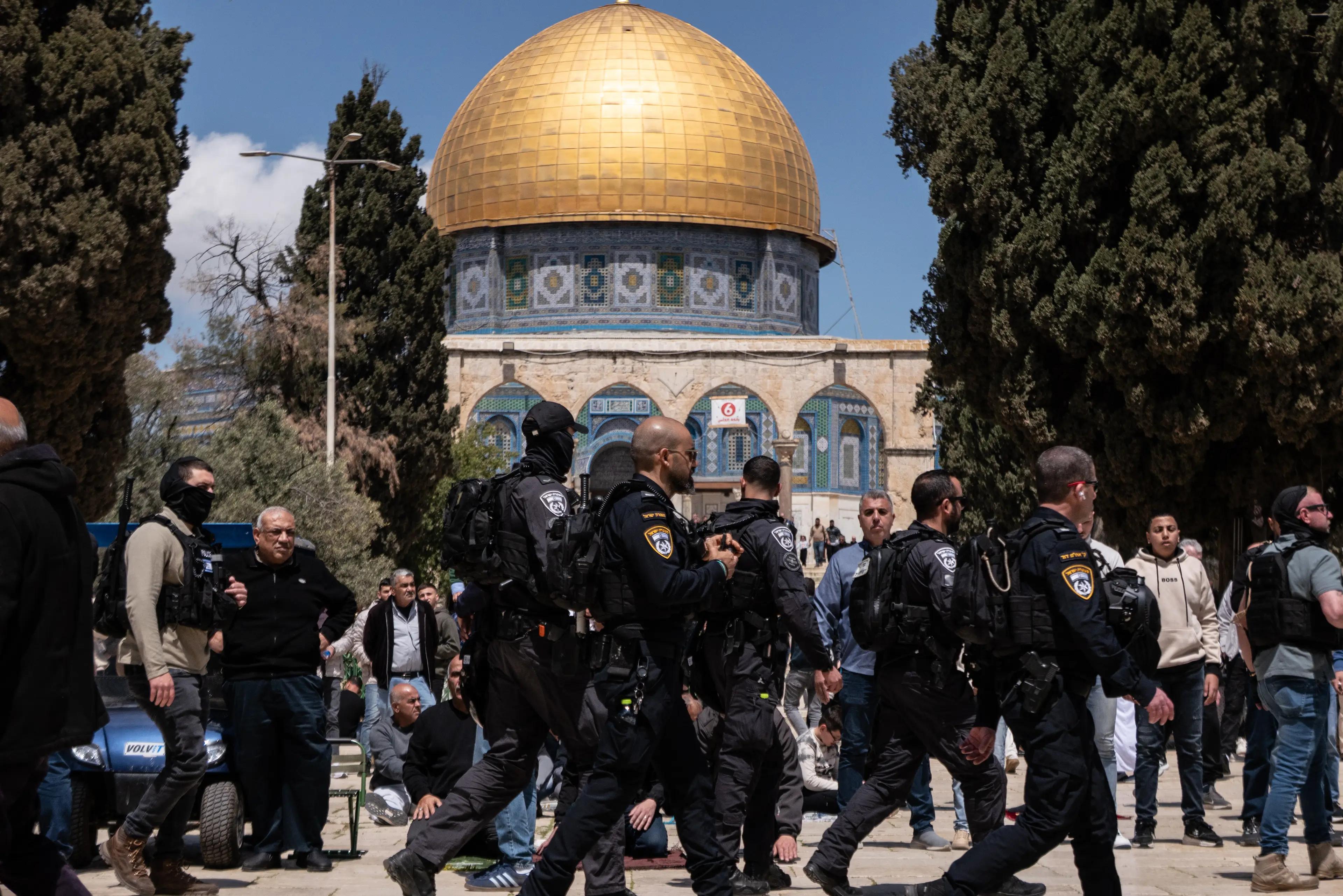
There are also ethical concerns around disturbing human remains and ground which is considered sacred, such as the areas surrounding the Temple Mount.
Methods to scan either before digging or without it altogether are very useful, and Dr McKinny hopes that they can help to provide more insight into places where digging physically is not permitted.
To be clear, Dr McKinny is not saying that he's definitely discovered the Ark of the Covenant, just that if it does still exist, this is a potential place where it might be located, and this remains just a theory as there are a huge number of factors including religious and political obstacles that would need to be addressed for such work to begin.
Topics: News, World News, History
 Kit Roberts