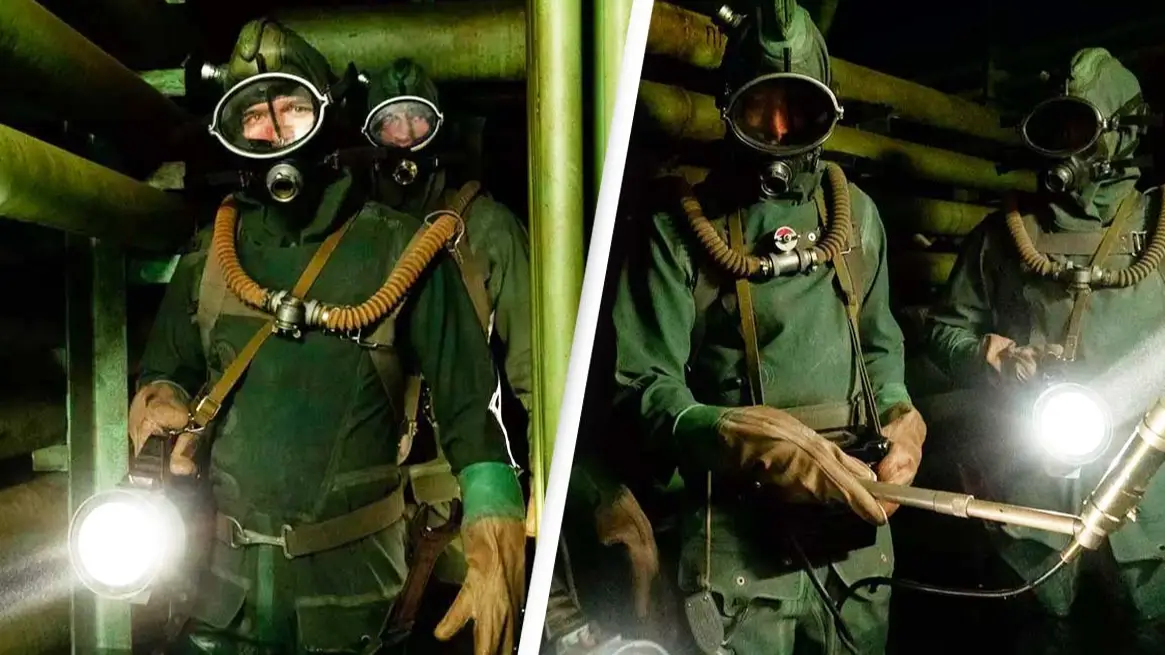
Three men performed 'most dangerous job in the world' knowing it meant certain death

Would you take a job knowing you were almost guaranteed to die doing it? Well, that's exactly what three men did back in the 1980s in order to save millions of lives.
Alexei Ananenko, Valeri Bezpalov and Boris Barnov all worked at the Chernobyl Nuclear Power Plant, located in Pripyat, Ukraine.
Ananenko and Bezpalov worked as engineers while Barnov was a shift supervisor.
In the early hours of April 26, 1986, one of the most devastating nuclear disasters in history struck the power plant.
Advert
Chernobyl's Reactor 4 experienced a critical meltdown, which resulted in a number of explosions, raging fires and a catastrophic spread of radiation across surrounding areas.
Dozens of people were killed in the direct aftermath of the Chernobyl disaster, with thousands later perishing due to radiation-related causes in the years that followed.
But the death toll most certainly would have been far higher had it not been for the heroic actions of these three men.
When the first explosions happened at the power plant, firefighters rushed to put the blazes out, pumping water into the now-exposed reactor - ultimately flooding the basement.
They successfully extinguished the fires but were left with an even bigger problem: the reactor was still melting down and well on its way to reaching the 20 million-liter bubbler pools below it.
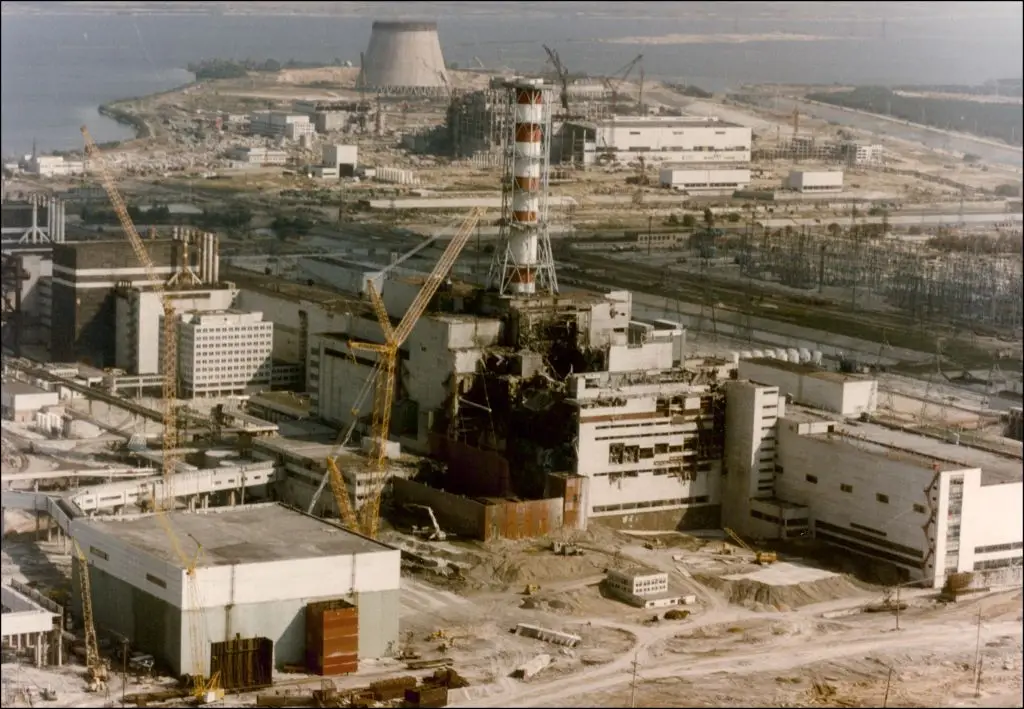
If the blazing hot reactor made contact with the massive amounts of water, it would have caused a catastrophic steam explosion.
The contaminated water combined with the nuclear fallout from the explosion would be severe enough to destroy half of Europe and make it uninhabitable for the next 500,000 years.
There was a way to stop this from happening though - there were valves that, when pulled, would drain these bubbler pools.
Unfortunately, these valves were located in the basement, which was dark and flooded with contaminated water and radiation.
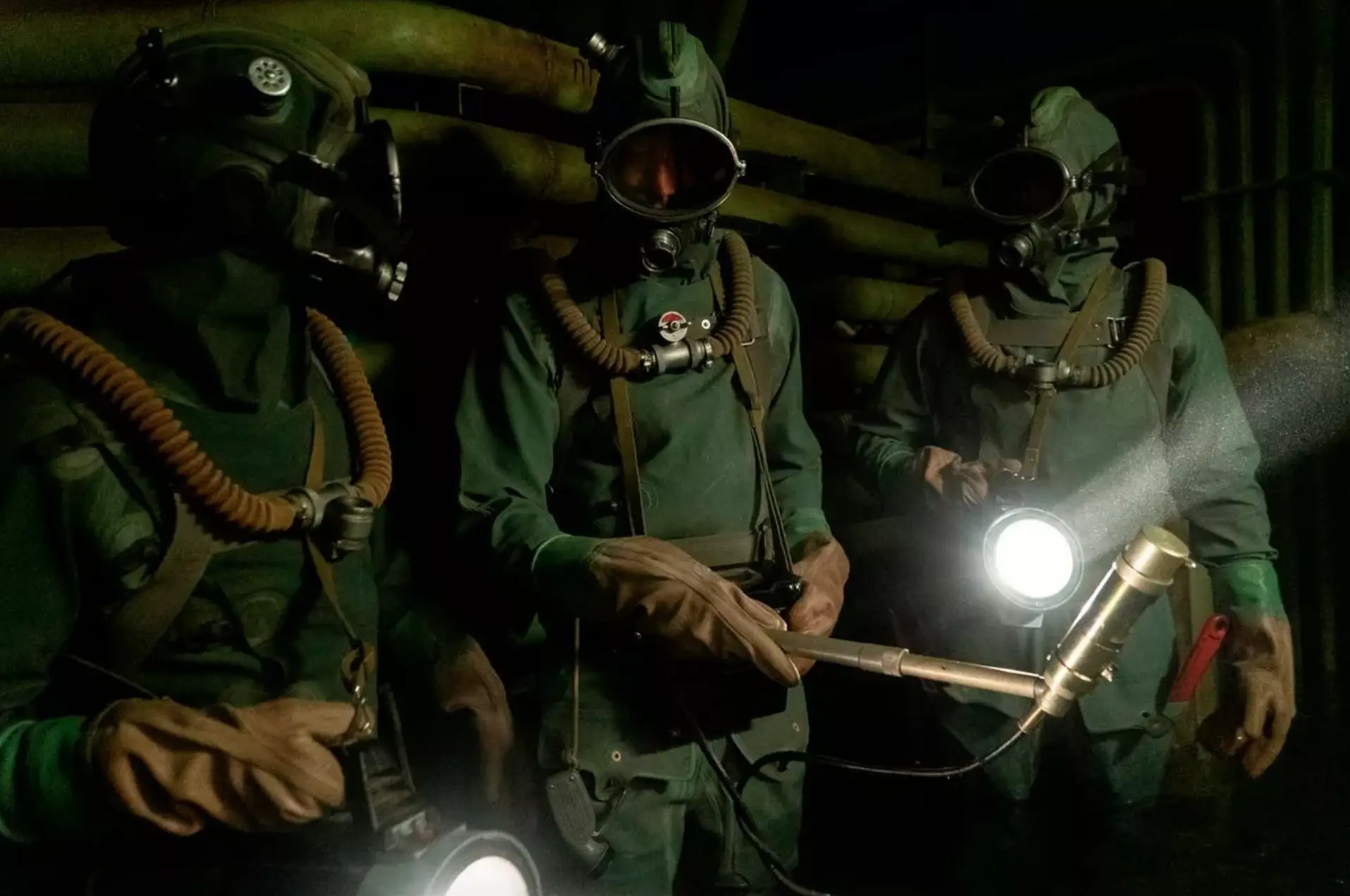
So, Ananenko, Bezpalov and Barnov volunteered to complete the dangerous task, and, dressed in only wetsuits and carrying flashlights, they set out to quite literally save the world despite knowing it would most likely be fatal.
Wading knee-deep in radioactive water, one of the men found a pipe that led to the drainage valves. They twisted the valves and the pools began to drain, preventing the cataclysmic explosion.
Amazingly, all three divers survived long term following the mission, narrowly escaping the Acute Radiation Syndrome (ARS) that killed other Chernobyl workers.
They were awarded the Order For Courage by Ukrainian President Petro Poroshenko in 2018. Baranov, who'd passed away in 2005 from a heart condition, was awarded posthumously.
Their heroic actions went on to be reenacted in HBO's 2019 drama series Chernobyl.
A number of factors were said to have prevented the men from getting ARS - water is an amazing absorber of radiation, making it less dangerous than previously thought, and the men's wetsuits will have offered further protection.
On top of this, the three men worked as quickly as they could to minimize their exposure to the radiation and survive the most dangerous job in the world.
Topics: Chernobyl, World News, Ukraine
 Bec Oakes