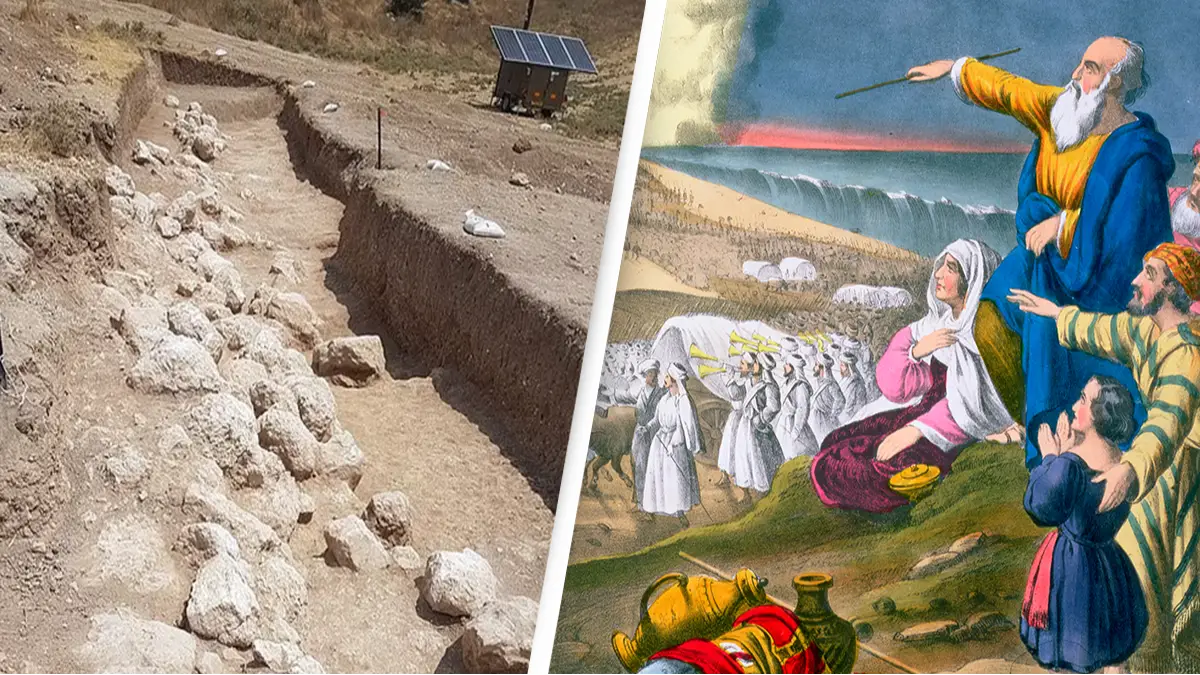
Scientists have found 'potentially significant' proof of a major bible story

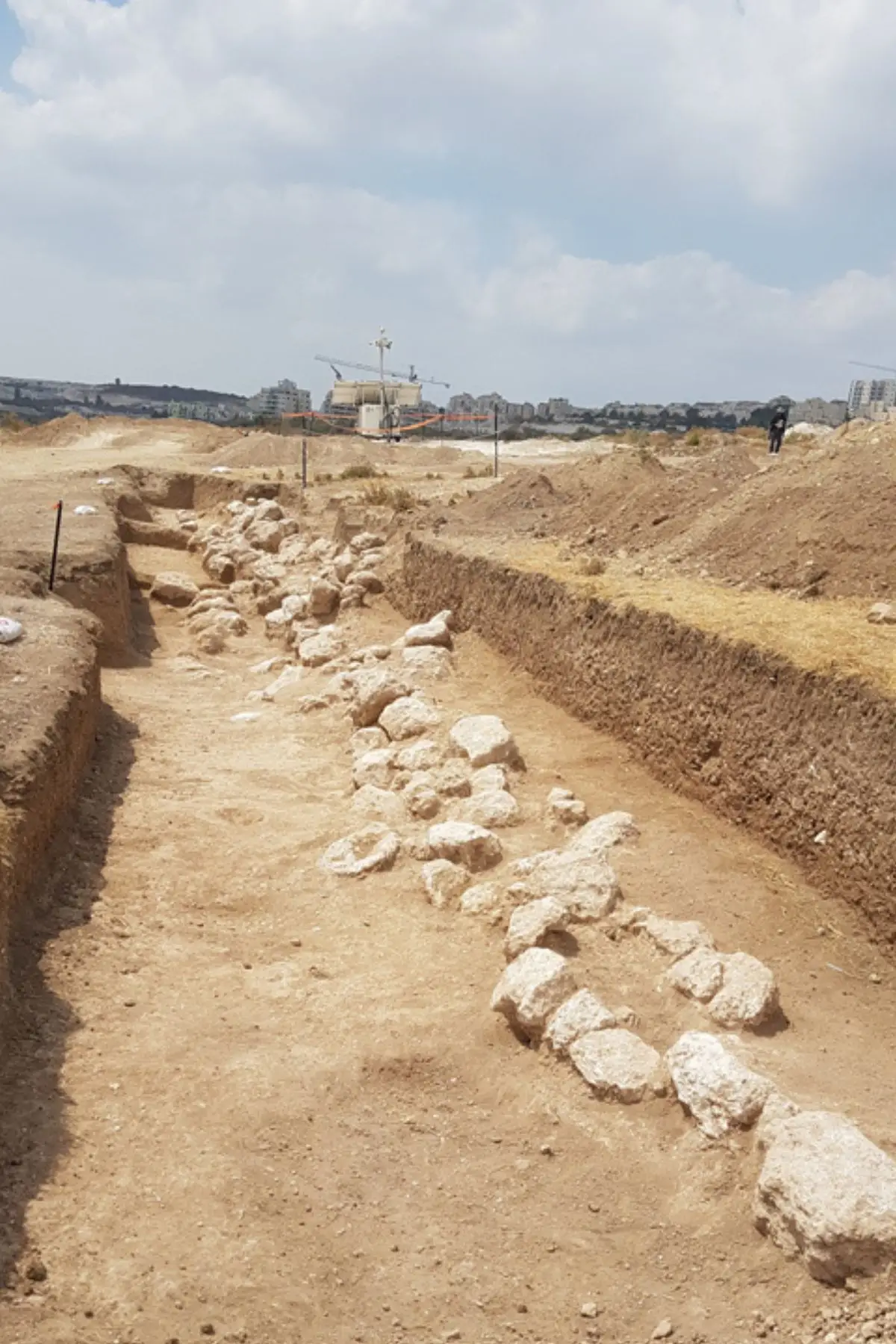
Archaeologists have finally shared their surprising spoils uncovered from a dig in Zanoah - a moshav featured in the Old Testament of the Bible.
In the Book of Nehemiah, Zanoah is mentioned as one of the towns resettled by Jewish exiles who were returning from Babylonian captivity.
It’s said the returning residents, who followed Moses out of Egypt and across the Red Sea in the Bible’s Book of Exodus, were the descendants of past village dwellers and that Zanoah was situated in the Promised Land, also known as Canaan.
Advert
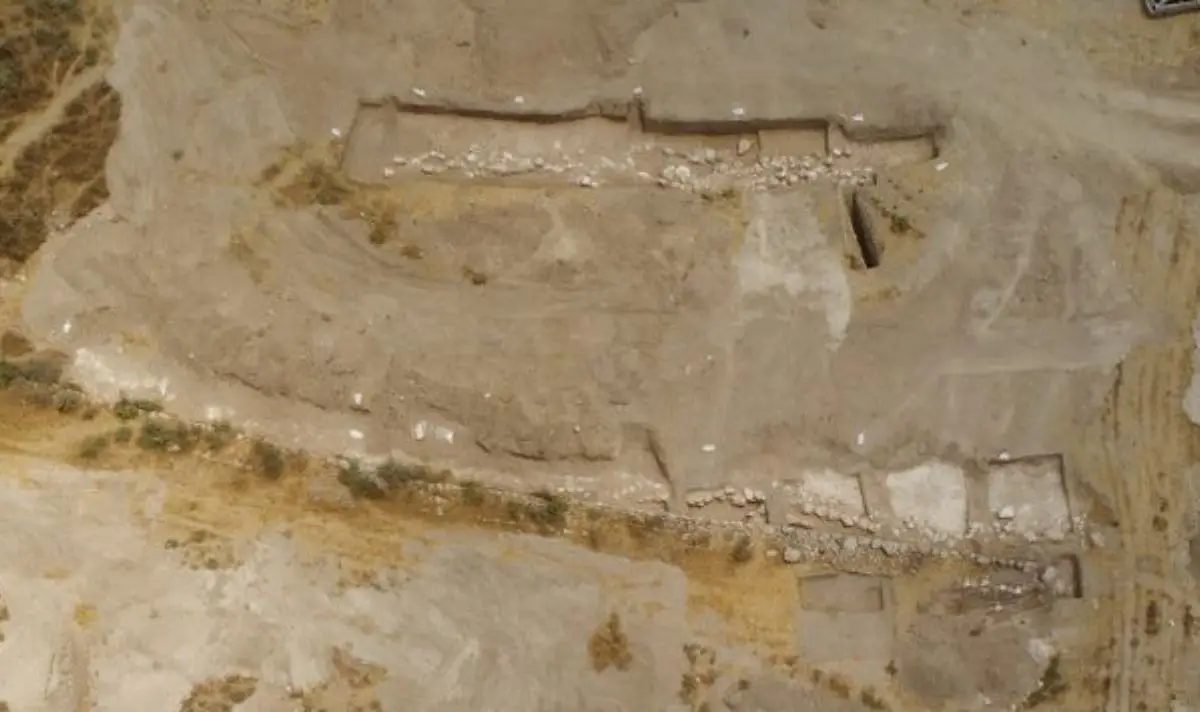
Back in 2019, a team of experts headed to the famed Jewish settlement and later wrote up their findings in Hadashot Arkheologiyot.
The latter is a popular journal used to document preliminary reports and archaeological findings across Israel.
Writing in March 2024, the team revealed the successful excavation at Zanoah had originally taken place during July and August 2019 on behalf of the Israel Antiquities Authority.
Funded by the Israel Electric Corporation, the survey saw the archaeologists salvage a clay jar handle ‘bearing a lmlk stamp impression’.
It’s thought that the pottery item originated from the late Iron Age and that it had been ‘fired at a high temperature and [was] of excellent quality’.
The seventh-century BCE item was discovered alongside other handles bearing similar impressions as well as a decorated cosmetic bowl made of white limestone.
More finds have since been identified as being created in the Early Byzantine era and the second year of the First Jewish Revolt.
Interestingly, one of the recovered artefacts bore a stamp on its handle that read ‘of the King’.
Experts believe that this was to honor King Hezekiah's reign in Judah in 701 BC.
Hezekiah’s life featured in the Book of 2 Kings while in the Book of 2 Chronicles it’s said the king worked to reopen the Temple of Solomon.
The latter is more commonly referred to as ‘the First Temple’ and religious believers claim the hub was built on the spot where God created Adam.
Moreover, Hezekiah is also accused of smashing a bronze snake statue that Moses was commanded by God to create.
So, does the discovery of these artefacts confirm the Exodus of Israelites leaving Egypt and crossing the Red Sea with Moses?
Well, not quite, but it does confirm that Zanoah was an important site ‘and highlights [its] potential significance’ in potentially proving the Bible as gospel in the future.
Furthermore, dig director Ya’akov Billig claimed that the uncovered artefacts show that farming activities were conducted on the slope of the village.
“While it is likely that some of the finds originated in the ruin and were subsequently washed down the slope over the years, the majority of the finds, especially those dating from the early Byzantine period, relate to farming activities conducted on the hill slopes,” wrote dig director Ya’akov Billig.
“The large quantity of finds indicates the intensity of the site and highlights the potential significance of one of the lesser-known tales in the Judean Shephelah.”
Topics: History, Science, Religion, World News
 Ella Scott