unilad homepage
unilad homepage
    • News
      • UK News
      • US News
      • World News
      • Crime
      • Health
      • Money
      • Sport
      • Travel
    • Music
    • Technology
    • Film and TV
      • News
      • DC Comics
      • Disney
      • Marvel
      • Netflix
    • Celebrity
    • Politics
    • Advertise
    • Terms
    • Privacy & Cookies
    • LADbible Group
    • LADbible
    • SPORTbible
    • GAMINGbible
    • Tyla
    • UNILAD Tech
    • FOODbible
    • License Our Content
    • About Us & Contact
    • Jobs
    • Latest
    • Archive
    • Topics A-Z
    • Authors
    Facebook
    Instagram
    X
    Threads
    TikTok
    YouTube
    Submit Your Content
    Terrifying animation shows disastrous impact 'city destroying' asteroid could have on Earth seven years from now

    Home> News> World News

    Published 10:16 14 Feb 2025 GMT

    Terrifying animation shows disastrous impact 'city destroying' asteroid could have on Earth seven years from now

    Thankfully the probability of asteroid 2024 YR4 hitting Earth are extremely low but NASA is still keeping an eye

    Poppy Bilderbeck

    Poppy Bilderbeck

    google discoverFollow us on Google Discover
    Featured Image Credit: Getty Images/MARK GARLICK/SCIENCE PHOTO LIBRARY

    Topics: World News, Space, Earth

    Poppy Bilderbeck
    Poppy Bilderbeck

    Poppy Bilderbeck is a freelance journalist with words in Daily Express, Cosmopolitan UK, LADbible, UNILAD and Tyla. She is a former Senior Journalist at LADbible Group. She graduated from The University of Manchester in 2021 with a First in English Literature and Drama, where alongside her studies she was Editor-in-Chief of The Tab Manchester. Poppy is most comfortable when chatting about all things mental health, is proving a drama degree is far from useless by watching and reviewing as many TV shows and films as possible.

    Advert

    Advert

    Advert

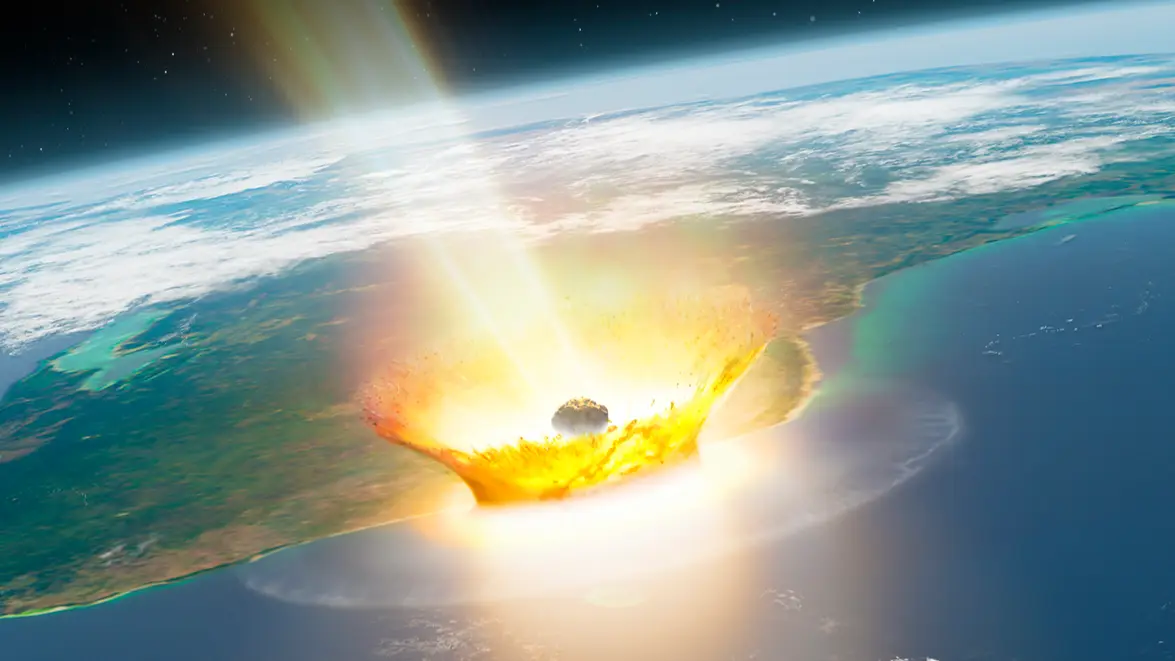
    A simulation video has revealed what could happen if the small chance asteroid '2024 YR4' could hit Earth actually comes true.

    In December last year, NASA's Asteroid Terrestrial-impact Last Alert System (ATLAS) in Chile spotted the asteroid using advanced telescopes.

    And given the slight chance of the asteroid hitting Earth in 2032 - and the subsequent damage it could cause - it's not being closely monitored by NASA. But what could actually happen should it not be stopped?

    What we're dealing with

    NASA's Planetary Defense details Asteroid 2024 YR4 as 'currently' measuring an estimated '130-300 feet across'.

    Advert

    But what would actually happen should the asteroid make an impact with Earth?

    Well, specialist 3D animator Alvaro Gracias Montoya - who works under the name MetaBallStudios - decided to create some visuals to see.
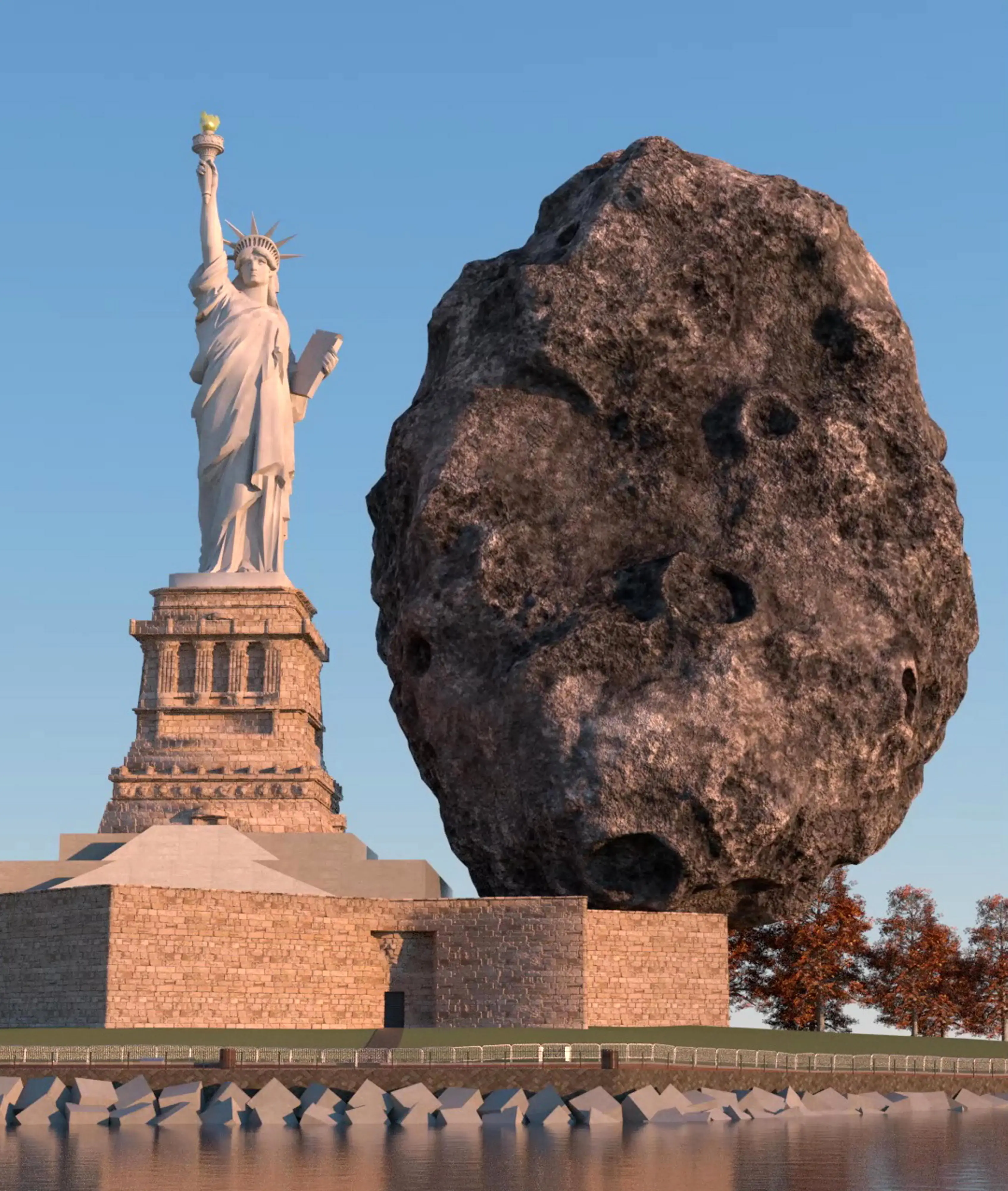
    2024 YR4 (SWNS)
    2024 YR4 (SWNS)

    The animation

    Well, it wouldn't be great, and that's to say the least.

    The animation shows if the asteroid did strike Earth, it could devastate an area as large as Washington DC as a result of it unleashing energy measuring eight megatons - 500 times more powerful than the atomic bomb dropped on Hiroshima.

    Thankfully though, the probability of such an incident occurring is extremely slim, even Montoya noting: "I don't think it's going to happen, but certainly this kind of news generates a lot of speculation."
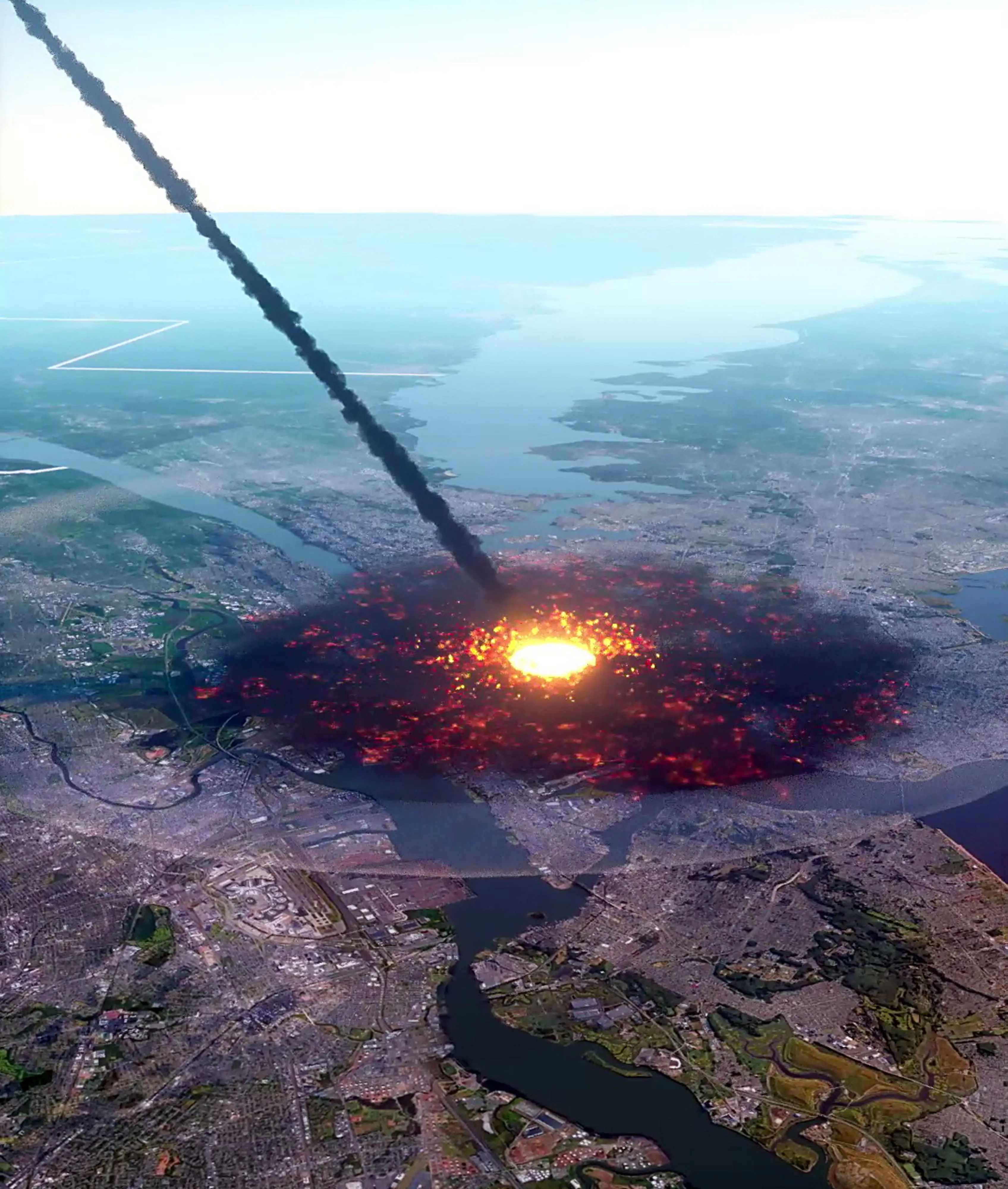
    Thankfully the probability is very low (SWNS)
    Thankfully the probability is very low (SWNS)

    The probability of asteroid 2024 YR4 hitting Earth

    In January, experts had the probability of the asteroid hitting Earth at 1.2 percent - hardly anything to panic over however, it's now reported by Sky News as being around 2.3 percent.

    NASA's Planetary Defense notes it will continue to monitor the asteroid, stating: "Ongoing observations from ground-based telescopes involved with the International Asteroid Warning Network will continue while the asteroid is still visible through April, after which it will be too faint to observe until around June 2028."

    It added: "NASA’s James Webb Space Telescope will also observe the asteroid in March 2025 to better assess the asteroid’s size."

    NASA resolves: "It is possible that asteroid 2024 YR4 will be ruled out as an impact hazard, as has happened with many other objects that have previously appeared on NASA’s asteroid risk list, maintained by NASA’s Center for Near-Earth Object Studies. It is also possible its impact probability will continue to rise. The latest data will continue to be made available via NASA’s automated Sentry page."

    Choose your content:

    5 hours ago
    6 hours ago
    • ANDREW CABALLERO-REYNOLDS/AFP via Getty Images
      5 hours ago

      America's national debt is now bigger than the entire economy for the first time since WWII

      President Trump says the economy is doing great - but these figures tell a very different story

      News
    • Alex Wong/Getty Images
      5 hours ago

      Pokémon fans just spotted a clue there's a new monster inspired by Barack Obama

      Pokémon fans have bought together a hidden clue: A real-life sea slug and a former US president

      News
    • WREG
      5 hours ago

      Activist trying to infiltrate Epstein's island claims he was hogtied by locals in violent altercation

      Benjamin Owen is the founder of We Fight Monsters, a non-profit organization based in Memphis

      News
    • 4th Judicial Circuit of Florida Courthouse via ProPublica
      6 hours ago

      Pregnant woman speaks out after being forced to be on zoom court call while she was in labor

      The case has reignited debate over whether pregnant women have rights over their own bodies

      News
    • NASA issues disturbing update on 'city destroying' asteroid that could hit the moon in a matter of years
    • Researchers predict 3 city-destroying asteroids could hit Earth with 1,000,000 times more force than Hiroshima bomb
    • NASA has officially upgraded chances of 'city-destroying' asteroid hitting Earth seven years from now
    • NASA says 1,300 pound probe could crash into Earth today after 14 years in space