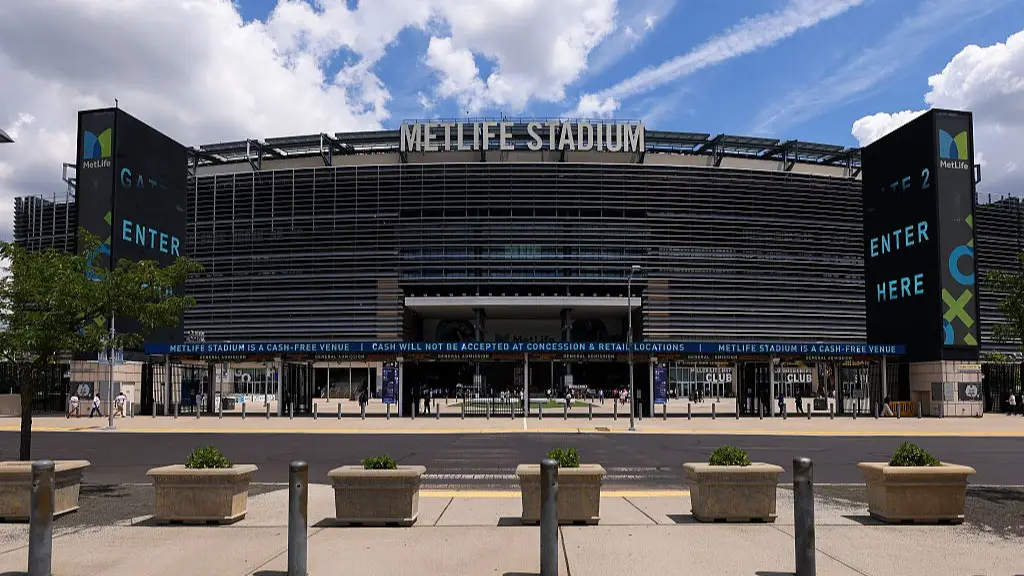
World Cup fans being legally banned from walking to MetLife stadium sparks debate

Like all great international sporting competitions, the FIFA World Cup is an opportunity for soccer fans from around the world to come together, regardless of their differences, to support their team and celebrate their shared passions.
However, some of these differences may be harder to overcome than others, as the debate around whether soccer fans should be allowed to walk to the stadiums has shown over the past week.
Many of the millions of visitors set to come to the US for the month-long sporting event will have never been to an American stadium before, with many taking to social media to ask if they can walk to New Jersey's MetLife Stadium.
While in Europe this would be a simple task that might involve using public transport, or their own two legs, to attend a sporting fixture, as their stadiums are typically built near to where people live, soccer fans will have a rude awakening in New Jersey.
Advert
This is because, despite being a mere 10 miles from the city, there is no legal walking route for pedestrians, who would have to cross the ever-busy I-95 to make it to the MetLife Stadium.
It is worth remembering that this debate has largely been caused by the insane price hikes that are being implemented for the NJ Transit Pass that World Cup attendees will have to pay for if they want to even get to life.
While this ticket is usually just $12.50 for football fans heading to MetLife, the cost of these tickets have been jacked up for the duration of the major world sporting event, demanding that supporters pay as much as $150 just to get to the stadium.
The entire journey takes just 30 minutes.
Officials from New York and New Jerseys port authorities have reinforced this by warning visitors that walking along this highway is both 'not safe or actually feasible', alongside being illegal.
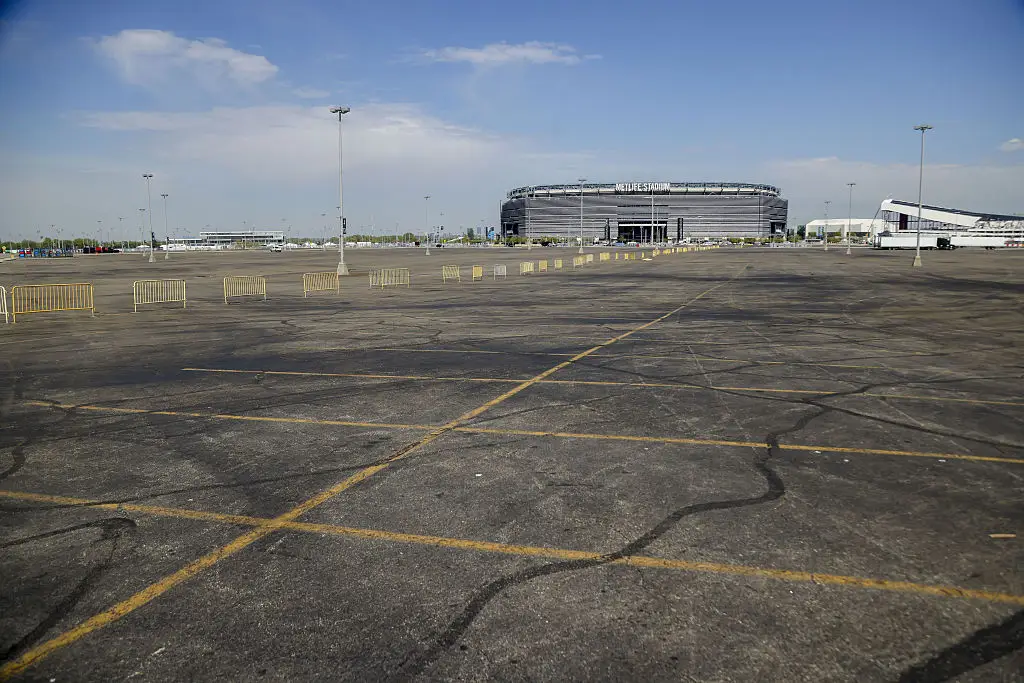
This has been met with incredulity from international visitors, as many countries have sidewalks and pedestrian flyovers so that people can choose to walk where they like.
One Brit joined the furious debates about supporters walking to the MetLife on TikTok to say: "Here is an idea. You are charging eye watering prices for these games, maybe before putting on global events u shud sort out ur infrastructure."
But then, in a video shared widely out of incredulity, one person who called themselves a 'Shakespeare scholar' because they have a Master's degree, claimed that visitors' questions about pedestrian infrastructure were a sign of European 'white supremacy'.
Naturally, this 'weird take' completely derailed the conversation about the costs being slapped on international visitors, but lead some to realize that 'America's lack of infrastructure is the problem'.
Something that many visitors will likely think come the World Cup's kickoff, June 11, when intrepid explorers may begin trying to traverse one of America's busiest and most-congested highways.
Why are NJ Transit ticket prices so expensive?
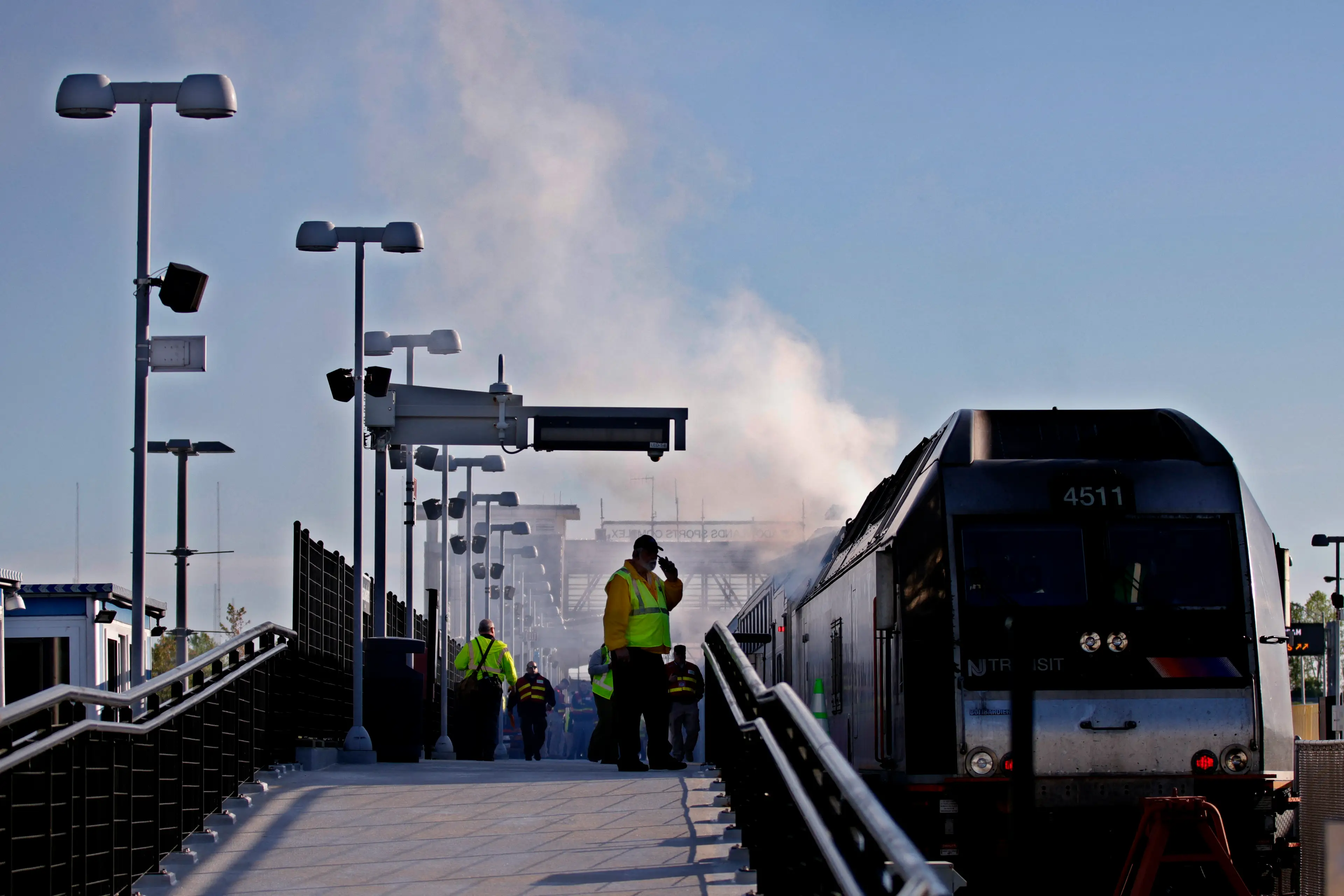
For the vast majority of fans attending games at the MetLife Stadium, the only way to get there will be catching the 30-minute and $150 train to the match - a price increase of more than 10 times.
This might seem like an obvious attempt at profiteering from New Jersey, something that the state's governor has denied. Instead, Governor Sherrill has said this price hike is to cover the additional $48 million cost of running trains for the competition.
At $150 per fan, with no concessions for the young or elderly, the governor is hoping to recoup around $6 million of this cost per match - which would roughly equate to $48 million by the end of the tournament.
Defending his decision to slap the upfront cost onto train tickets, Gov. Sherrill said: “Our administration inherited an agreement where Fifa is providing $0 for transportation to the World Cup. Zero. That leaves New Jersey Transit with a $48m to safely get 40,000 fans to and from every game.
"At the same time, Fifa is making $11bn off of this World Cup, and charging fans up to $10,000 for a single ticket for the final. I won’t stick New Jersey commuters for that tab for years to come, that’s not fair. So here’s the bottom line: Fifa should pay for the rides, but if they don’t I’m not going to let New Jersey commuters get taken for one.”
The fact that each of these fans may have already poured thousands each into the state's coffers through tax revenue on tickets, travel, food, and accommodation while attending the biggest sporting event in the world, was not included in his calculation.
 William Morgan