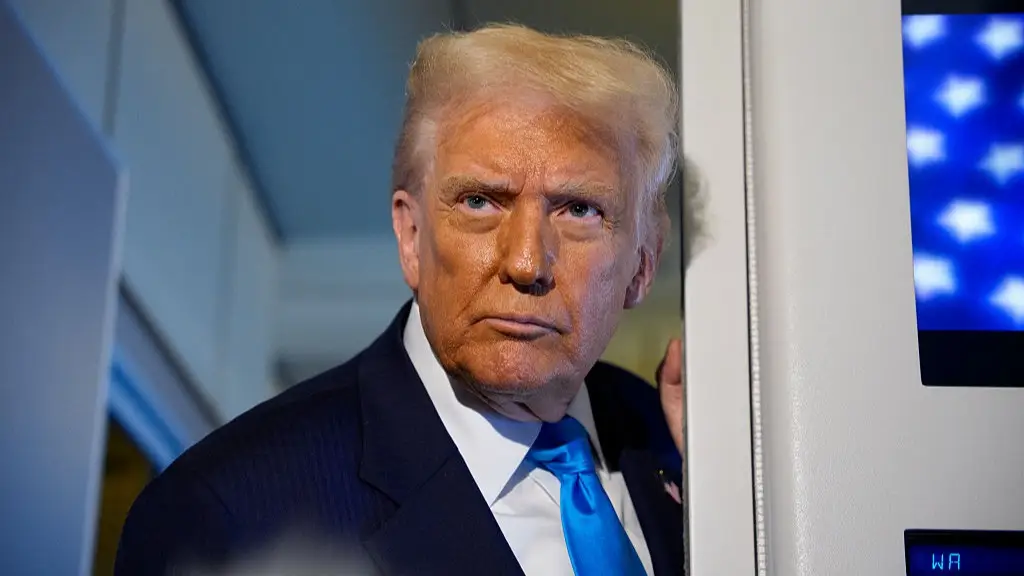
Senate funding bill explained as representatives pass proposal to end US government shutdown

The Senate has passed a bill which could finally bring the longest US government shutdown in history to an end.
The record-breaking federal government deadlock began on October 1 and has brought America to a standstill, with federal worker salaries and benefits for millions of people put on pause.
The move has also impacted the travel industry, with thousands of domestic flights canceled and even more delayed over the weekend.
This year's shutdown is because Republicans and Democrats couldn’t reach an agreement on a new bill to fund government services after the previous federal budget ran out.
Advert
The government has been partially shutdown for 41 days, surpassing the previous 2018 shutdown of 35 days on November 5.
The last shutdown also occurred under Donald Trump's government.
But it seems the current ordeal is set to come to an end after representatives voted to pass a pivotal new funding bill.
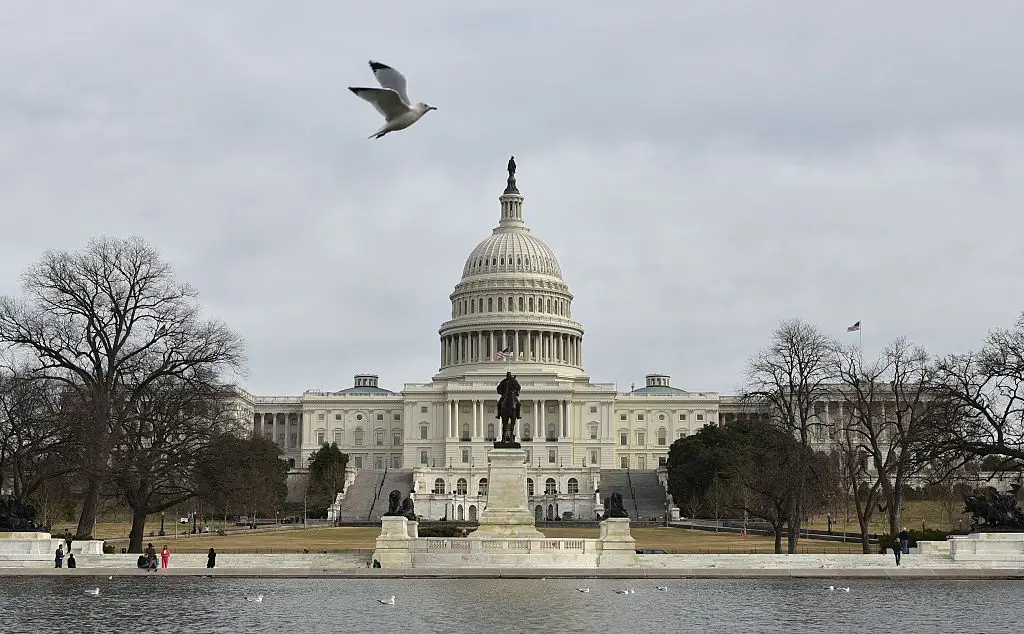
Almost all Republicans and eight Democrats agreed during the 60-40 vote which took place late on Monday (November 10).
Among the Democrats going against their party to support the bill were Dick Durbin, John Fetterman, Catherine Cortez Masto, Maggie Hassan, Tim Kaine, Jacky Rosen and Jeanne Shaheen, reports the BBC.
They were joined by Angus King of Maine, an independent who aligns with the Democrats, who also voted to end the government shutdown.
On the Republican side, only Rand Paul of Kentucky sided with the majority of Democrats by voting against the bill.
What is included in the new bill?
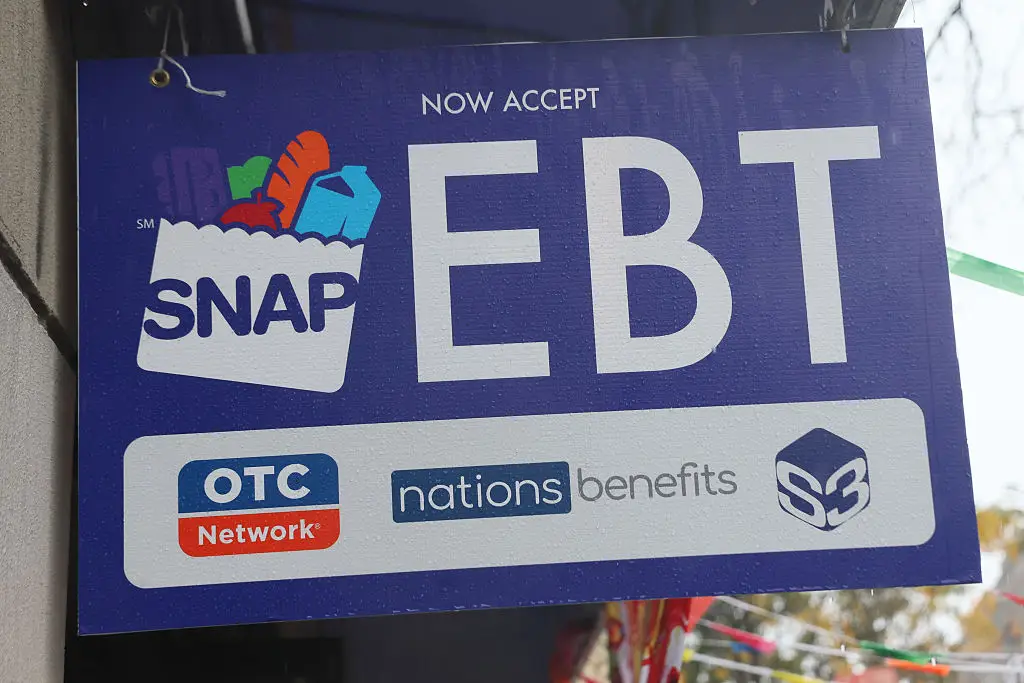
The new deal extends federal government funding until January 30, preventing a prolonged shutdown.
It also provides full-year funding for the Department of Agriculture, military construction and Congress.
All federal employees will be paid back for the shutdown period, while the Supplemental Nutrition Assistance Program (SNAP), which helps one in eight Americans with food aid, is set to be funded through until next September.
The package includes an agreement to hold a vote in December on extending healthcare subsidies that are expiring this year.
These subsidies help tens of millions of Americans afford insurance through government marketplace - it was a key Democratic demand before agreeing to new government funding.
What happens next?
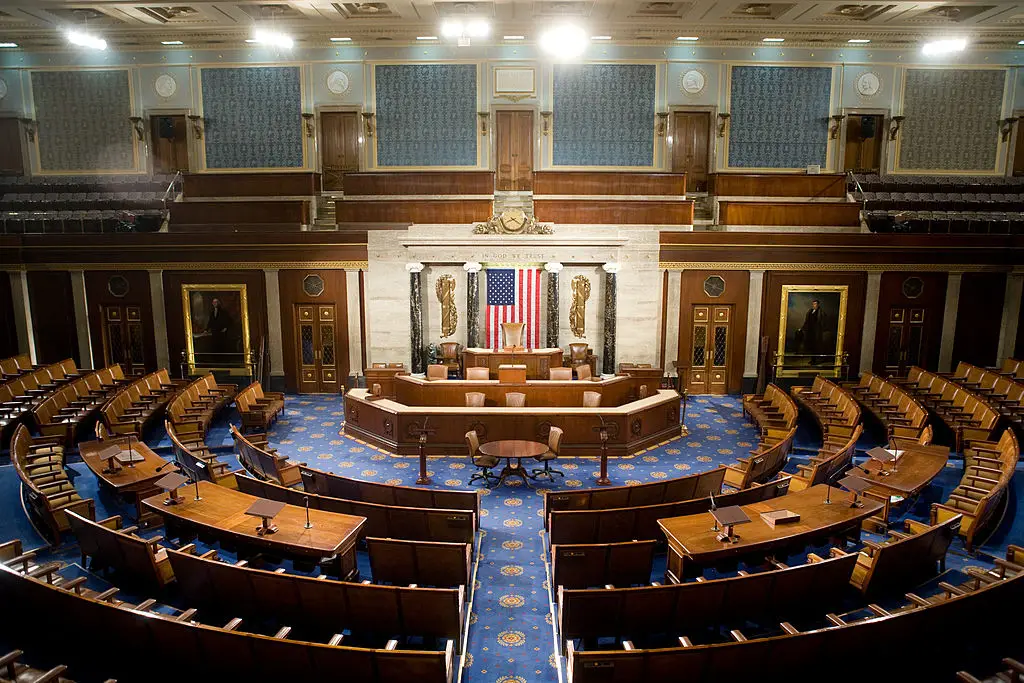
Unfortunately, it's not as simple as the Senate passing the bill and it being approved.
Now, it's up to the House of Representatives to vote.
House Speaker Mike Johnson said he'd like to pass the bill on Wednesday (November 12). It would then need to be sent to President Trump, who would sign it into law.
Trump has called the deal to reopen the government 'very good', as per Reuters.
Topics: Republicans, Donald Trump, US News, Politics
 Ellie Kemp