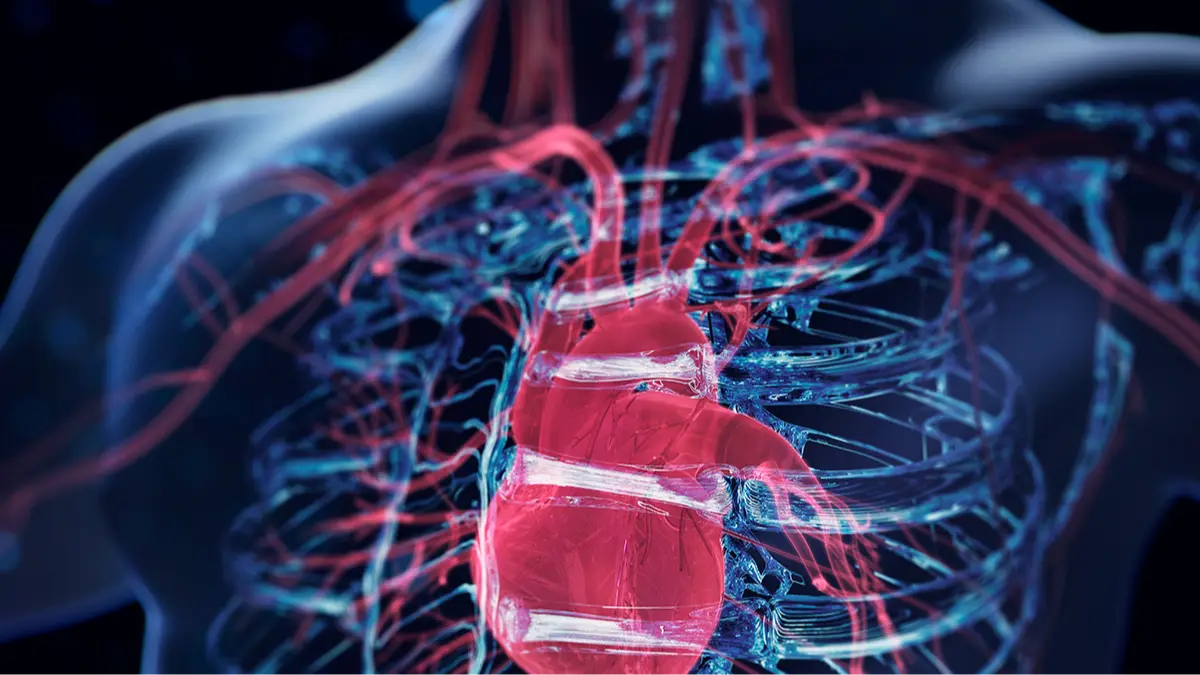
The 7 strange things your body does when in a life-or-death scenario

When danger hits, your body doesn’t wait for instructions - which is evidenced by these seven strange things that can happen in a life-or-death scenario.
Long before you’ve consciously decided what to do, a wave of automatic responses kicks in - many of them invisible, some of them unsettling, and a few are just bizarre.
While most people know about the classic 'fight or flight' response, scientists have uncovered a range of lesser-known survival mechanisms that quietly activate when your life may be at risk.
Some sharpen your senses, others dull pain, and a few even change how you experience time itself. Together, they reveal just how far the human body will go to keep you alive.
Advert
So, without further ado, here are the seven strange things that happen to your body when disaster strikes - it goes without saying that hopefully you'll never experience any of these symptoms... although death is the only certainty in the world.

Distorting time
With that bleak introduction, let's touch on perhaps the most incredible of the seven - people who survive serious accidents often report time slowing down.
A University of Iowa College of Medicine study found that 70 percent of people in life-threatening situations experienced this. Meanwhile, research published in PLOS One suggests the effect may occur in memory, as fear causes the brain to store more detail.
Cold water survival reflex
Cold water on the face triggers the 'mammalian diving reflex', slowing the heart rate and redirecting oxygen to vital organs. It was first discovered by British physician Edmund Goodwin way back in 1786.
A 2021 Frontiers in Psychiatry study has also suggested that it may reduce anxiety.
'Switching off' pain
In emergencies, pain can be temporarily suppressed so you can escape.
Dr Dan Baumgardt, from School of Psychology and Neuroscience at the University of Bristol, explained in The Conversation that the brain’s periaqueductal gray (PAG) plays a role in this.
"Ever picked [up] something in the kitchen that you suddenly realise is extremely hot?" he wrote, before adding: "This action may be underpinned by the PAG shutting off the sensation of clasping something too hot to handle, just long enough to prevent dropping it."
Eyes adjust to threat
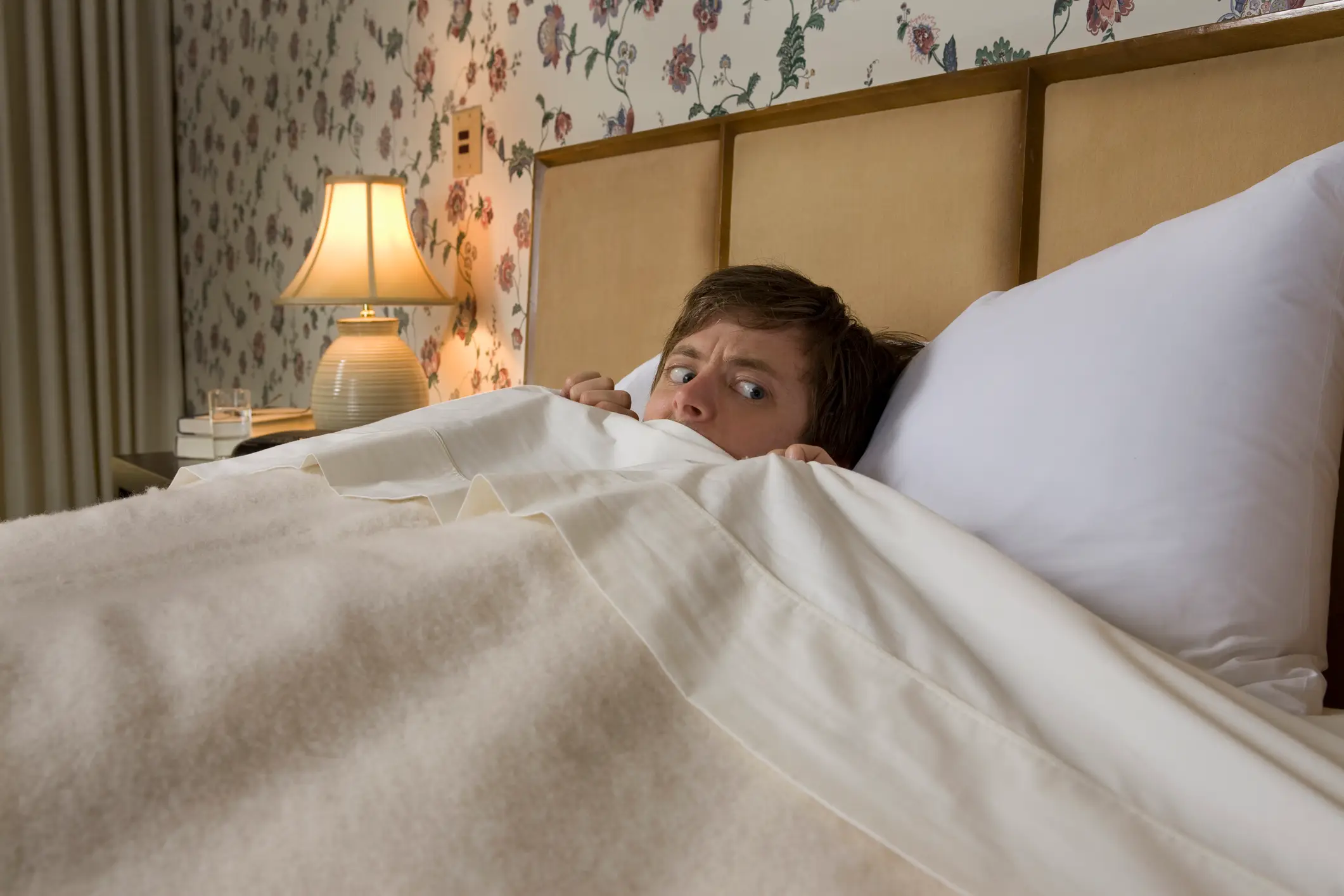
Fear causes pupils to dilate, allowing more light in and briefly sharpening vision.
A 2016 study in the Journal of Traumatic Stress found greater dilation in people with post-traumatic stress disorder (PTSD) when shown threatening images. While earlier research links pupil size to mental effort.
Nightmares train the brain
Bad dreams may help prepare you for danger, according to a 2019 study by Swiss and US researchers found nightmares improved fear responses while awake.
"Dreams may be considered as a real training for our future reactions and may potentially prepare us to face real life dangers," researcher Lampros Perogamvros wrote.
Smelling fear
A 2008 study in Nature Proceedings found people showed increased amygdala activity - which activates your fight-or-flight response - when smelling sweat from first-time skydivers compared to exercise sweat. The findings suggest humans can subconsciously detect fear through scent, even without consciously realising it.
The shakes
Shaking during fear is driven by adrenaline, not weakness.
According to the Fixel Institute for Neurological Diseases, adrenaline tightens muscles, raises heart rate, and redirects blood flow. The resulting tremble is excess energy, preparing the body for rapid movement.
Topics: Psychology, Health
 Joe Yates