
Expert reveals five surprising things that happens to your body when you haven't had sex in a while

An expert has revealed the surprising things that happen to your body when you stop having sex.
While most people have experienced a 'dry spell' every now and again, celibacy - in which a person abstains completely from having sexual relationships - has increased in recent years.
Psychology Today explains that around one in six women and one in 10 men are now choosing to be celibate.
Last year, they conducted a sex survey at the Kinsey Institute, which included a study of 1,500 adults.
Advert
They reported that 16.5 per cent of women were 'single by choice' and not sexually active, compared to nine per cent of men.
But what happens to our bodies when we abstain from sex? Experts have been weighing in on some of the mental and physical changes that could follow.
Emotional 'rediscovery'
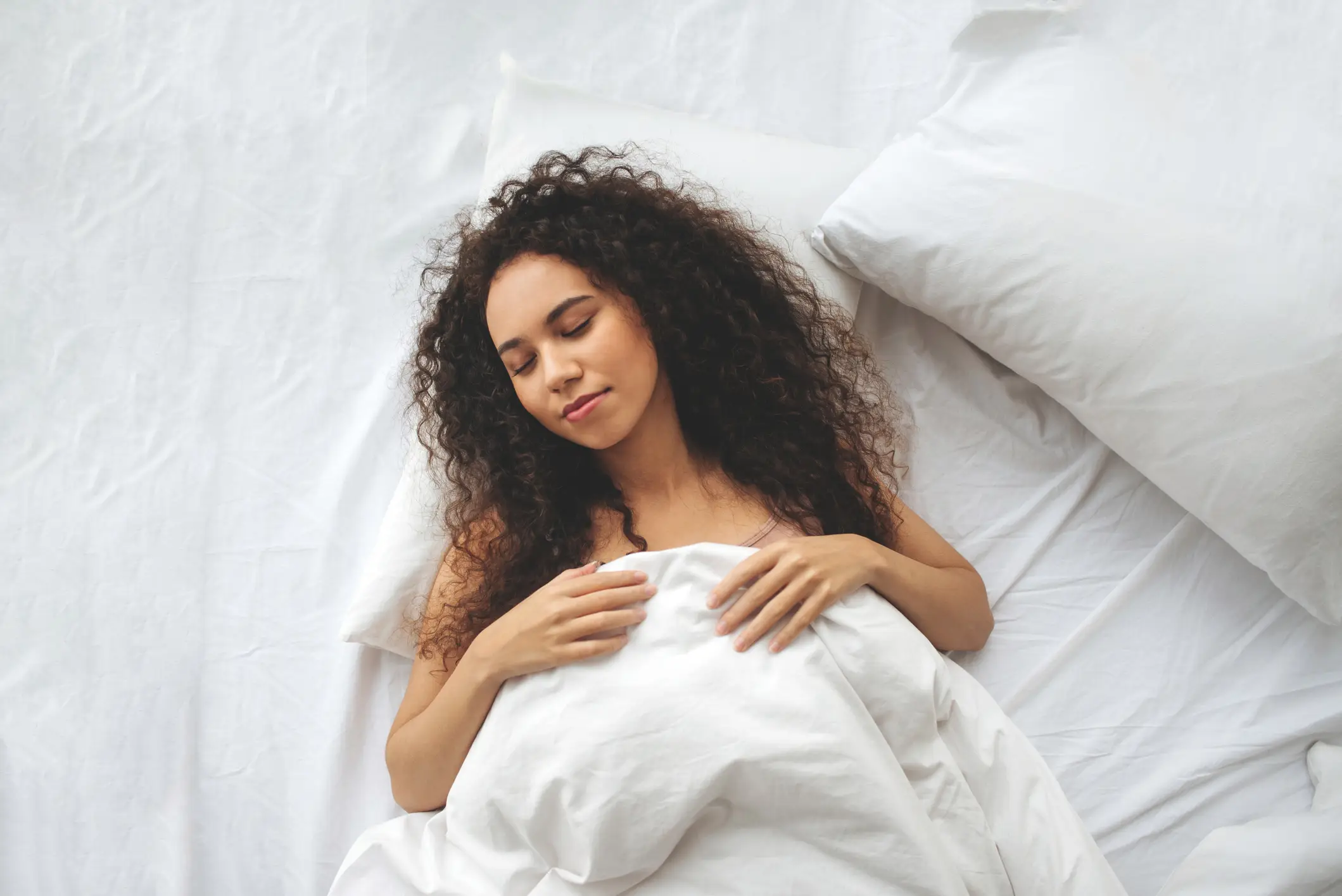
Lovehoney sex and relationship expert, Annabelle Knight, told Metro that celibacy is often a time of 'rediscovery' where people can focus on self-care, confidence and different forms of pleasure.
She said: "Celibacy can give you the space to reconnect with your body and your boundaries, and to understand what you actually want from intimacy.
"For many people, it’s a time of rediscovery — focusing on self-care, confidence, and pleasure in other forms, from solo exploration to emotional connection."
Vaginal dryness
While emotional side effects can be profound, there are also physical changes to consider, too.
One such change is vaginal dryness, which can make sex uncomfortable after a prolonged period of abstinence.
Vaginal dryness can lead to a condition called dyspareunia, which refers to genital pain before, during or after intercourse.
Cleveland Clinic explains that women may feel pain in the vulva; vagina; pelvic floor muscles; uterus; the skin of the vaginal canal; the ligaments supporting the uterus, or the lower abdomen.
Fluctuating libido
If you've not had sex for a while, having a fluctuating libido can be totally normal.
According to Better Health, there are a number of factors that can affect your libido, including fatigue, familiarity, sexual incompatibility, mental health issues, and stress.
Meanwhile, conditions such as menopause, hormonal changes, pregnancy, impotence and premature ejaculation can also contribute.
"For some people, periods of celibacy can actually bring greater awareness of what triggers or suppresses their desire, because they’re tuning into those emotional and physical cues more consciously," Annabelle explained.

Immune system boost
Although having frequent sex is known to be good for our health - for example, in men, it can reduce the risk of prostate cancer - Annabelle explains that without regular sex, our bodies have more of a chance to rest and recover, comparing it to a ‘simple reset that can leave you feeling more focused and refreshed overall.’
Fewer erections
During a period of abstinence, 'spontaneous erections' can occur more or less frequently, and both are normal.
Annabelle explains that they're not related to sexual activity, but are the body's 'natural maintenance system, keeping blood flow healthy and tissue responsive'.
"During celibacy, they can actually be a reassuring sign that everything’s functioning as it should. They’re not necessarily linked to sexual frustration or unmet desire; they’re just a physiological process, much like stretching your muscles after a long day," she said.
According to the University of California, a healthy male can expect to get up to five spontaneous erections every night, lasting up to an hour.
Topics: Sex and Relationships, Health, Mental Health
 Lucy Devine