
Body language expert's concern over Mackenzie Shirilla’s answer on deadly crash

Netflix's new documentary about teen killer Mackenzie Shirilla's decision to driver her car into a wall at 100mph, ending the lives of her boyfriend and his friend, has refreshed a debate that divided opinion.
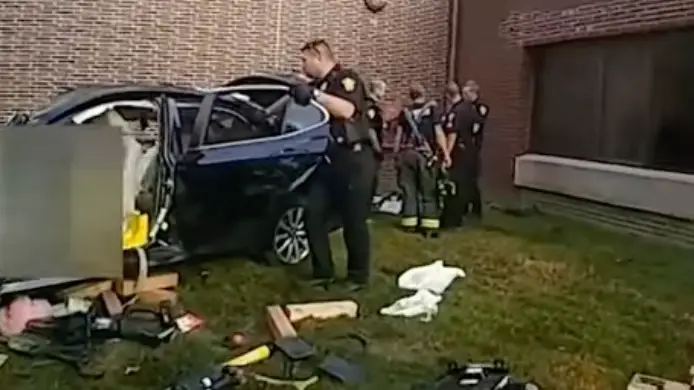
Shirilla was just 17 in July, 2022, when she intentionally drove her car into the side of a building in Strongsville, Ohio, at around 5.30am, after the trio attended a high school graduation celebration and a weed-filled after party.
Although police at first believed the crash to be an accident, tip-offs as well as forensic analysis of CCTV and tire tracks at the scene, led investigators to charge her with multiple counts of murder and aggravated vehicular homicide.
While she is now languishing in prison after receiving a sentence of 15 years to life in 2023, an interview with Shirilla in Netflix's new documentary The Crash has raised fresh questions about whether she really meant to do it.
Advert
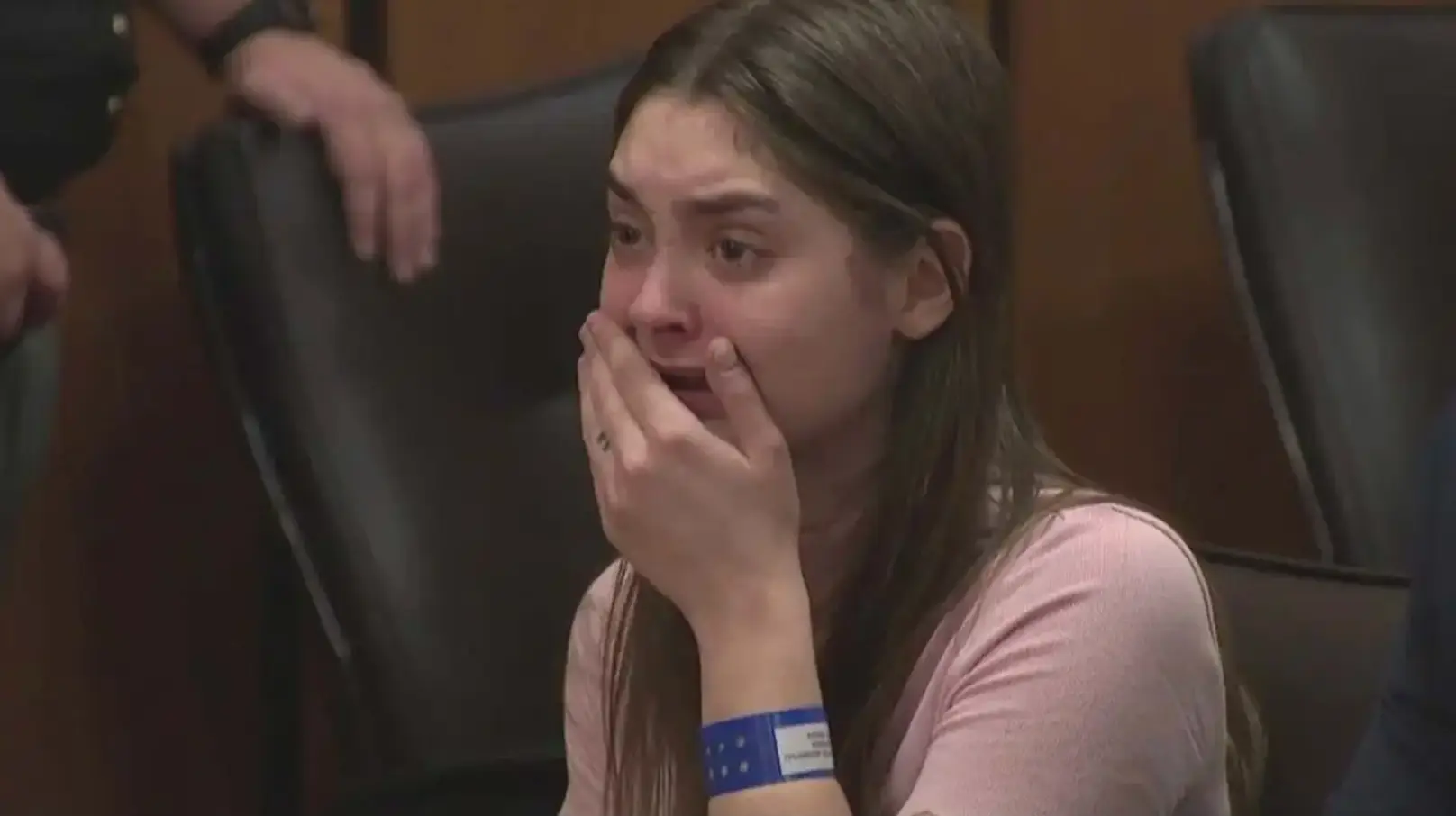
At the core of this renewed debate is an interview in the Netflix documentary with Shirilla herself, who attempts to explain, as she did it in court, that she had suffered a medical episode that meant she could not control the vehicle.
While video analysis of a small left-right jerk motion before the car smashed into a wall at 100mph, killing boyfriend Dominic Russo and his friend Davion Flanagan, proved to the court that the teen had her hands on the wheel, she denies any knowledge of the crash.
The interviewer asks her: "How does a medical emergency account for the control of the car?"
She responds: "I'm unsure, cause I have no recollection of that morning, but I know nothing about it was intentional cause that's not my character."
While some people have found this answer convincing, being unable to comprehend why anyone would do such a thing, the body language expert behind the YouTube channel Behavioral Arts has explained a concerning undercurrent to Shirilla's answer.
The analyst, who has previously shared his findings with the likes of CNN and Fox News, said that the interviewer had asked the right question, because the way she answered it said far more than she was willing to say out loud.
"I've been kind of hinting at this so far, but it's very important in interrogation or in interviews when we ask a question," the Youtuber said, explaining: "One of the things that we focus on is, did this answer my question, and it did answer my entire question."
He added: "So, anything that falls along the lines of redirecting, not answering the question, answering only one specific part of the question, all these things fall into the category of non-answer statements or a refusal to answer."
The body language expert then pointed to how Shirilla had not answered why a medical emergency had caused her to accelerate into a wall, instead choosing to answer a different question by saying she couldn't remember that night.
He explained: "If you really think about it, her memory has nothing to do with this specific question because he's saying, according to your theory, right, you said it's a medical emergency. According to that, how do you explain the control of the car?"
And this could be seen in the very way that the words left her mouth, with Behavioral Arts pointing out that she had stumbled over the beginning of her words.
He said: "You'll also notice right in the beginning there's something we call speech disfluency where she goes, 'I'm unsure cause I have no recollection', She kind of fumbles on her words."
This is not because she doesn't know what to say, he said it's because she was thinking hard about the wording of her answer.
"This usually indicates an increase in cognitive load," he explained, adding: "We're thinking a lot, which kind of causes the speech to mutter a little bit, you know. So, there's a lot going on with this answer."
Topics: Netflix, True crime, Mackenzie Shirilla, Crime, Ohio
 William Morgan