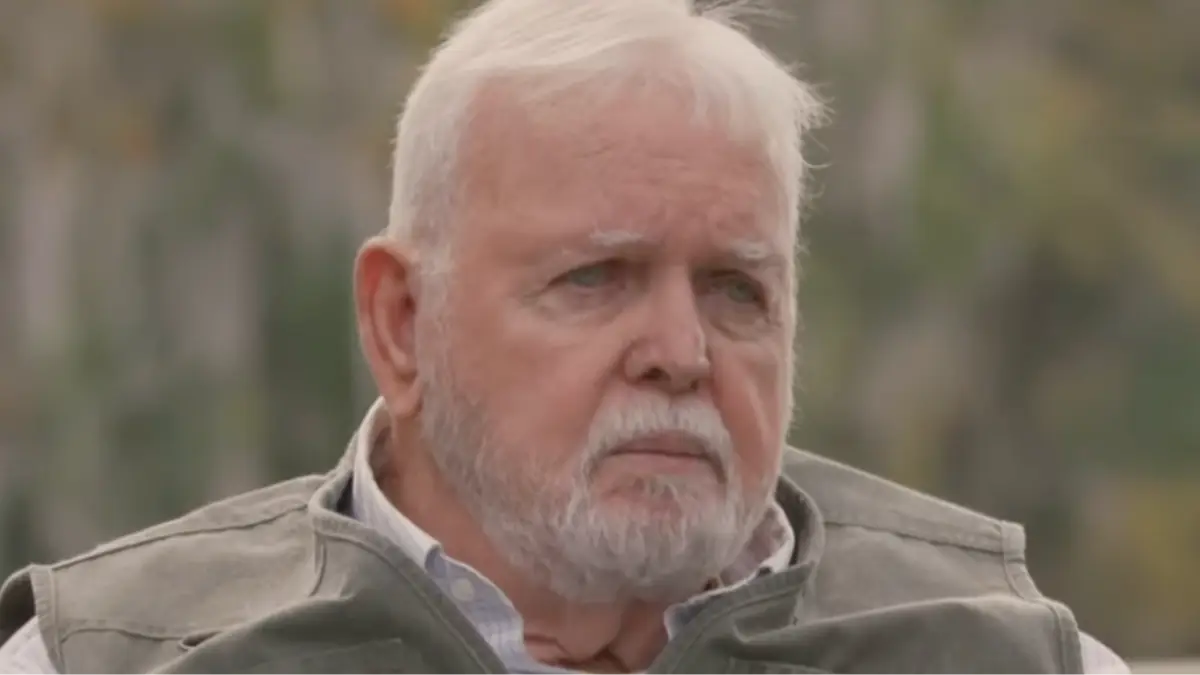
Former death row executioner recalls moment he quit with PTSD after watching 15-minute botched killing

A former prison warden has opened up about how the botched execution of death row inmate Pedro Medina left him in a 'dark place'.
Medina was sentenced to death for the 1982 murder of 52-year-old elementary school gym teacher Dorothy James in Orlando, Florida.
In 1997, Ron McAndrew was tasked with overseeing the execution, having already helped perform two via the electric chair.
Medina, 39, was strapped into the electric chair and uttered the final words: "I’m still innocent."
Advert
McAndrew, now 88, told The Mirror in a recent interview that his job was to secure Medina’s right ankle with a leather strap.
However, the former death row executioner had concerns that a damp sponge to 'help conduct the electricity' had been wrung out too much.
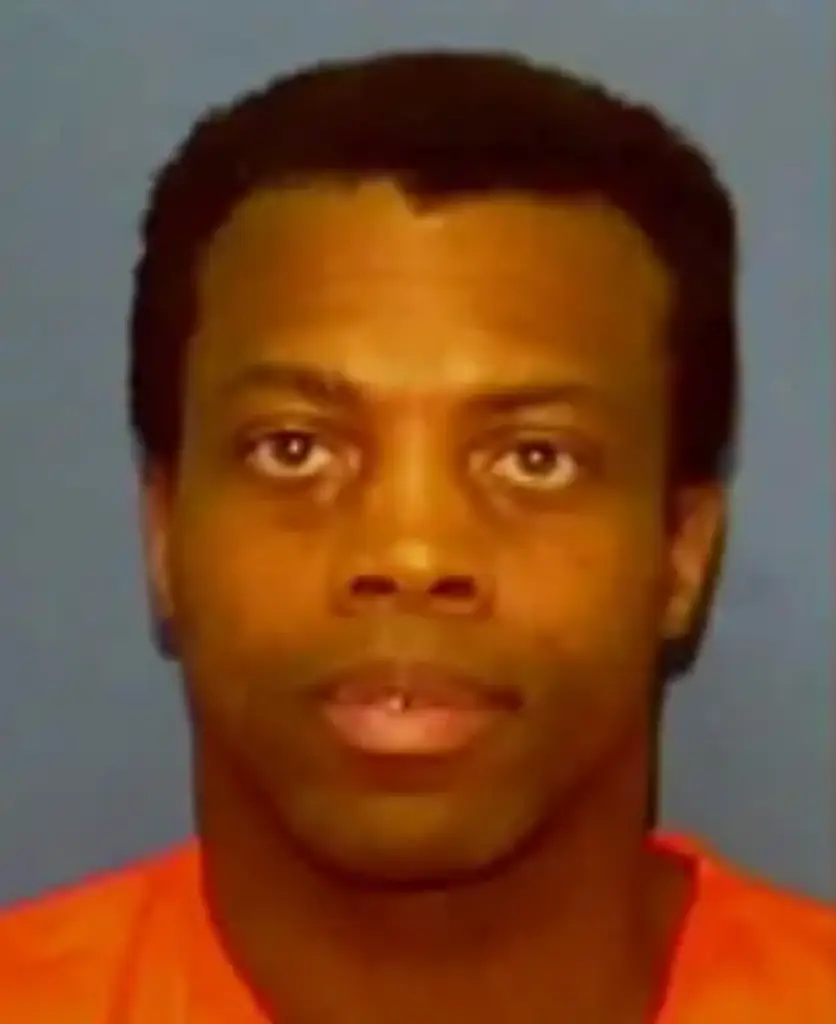
McAndrew said this was dismissed and the execution went ahead, but he watched on in horror as the inmate ‘burned to death’.
Recalling the horrific experience, McAndrew said: “I gave him the signal to commence the electricity. But the instant the electric hit Pedro's head, there was a spark and a loud pop.
“Even in one’s home, if you flick an electric switch and you get a pop, you know darn well something has gone wrong.
“Suddenly, a plume of black smoke came out from under the helmet, followed by a flame. It came right up in front of my face, and there was a very serious tightening of the body.”
He continued: “You could see the hands squeezing the ends of the arms on the chair with the force of a mighty man. And the rest of the body heaving. These were motions I had not seen in the first two, there was a great deal more resistance.
“I suddenly realized we are not electrocuting this man, we were burning him to death - because it continued to burn on the top of his head.”
The room then filled with smoke and it's believed that it took around 15 minutes for Medina to die.
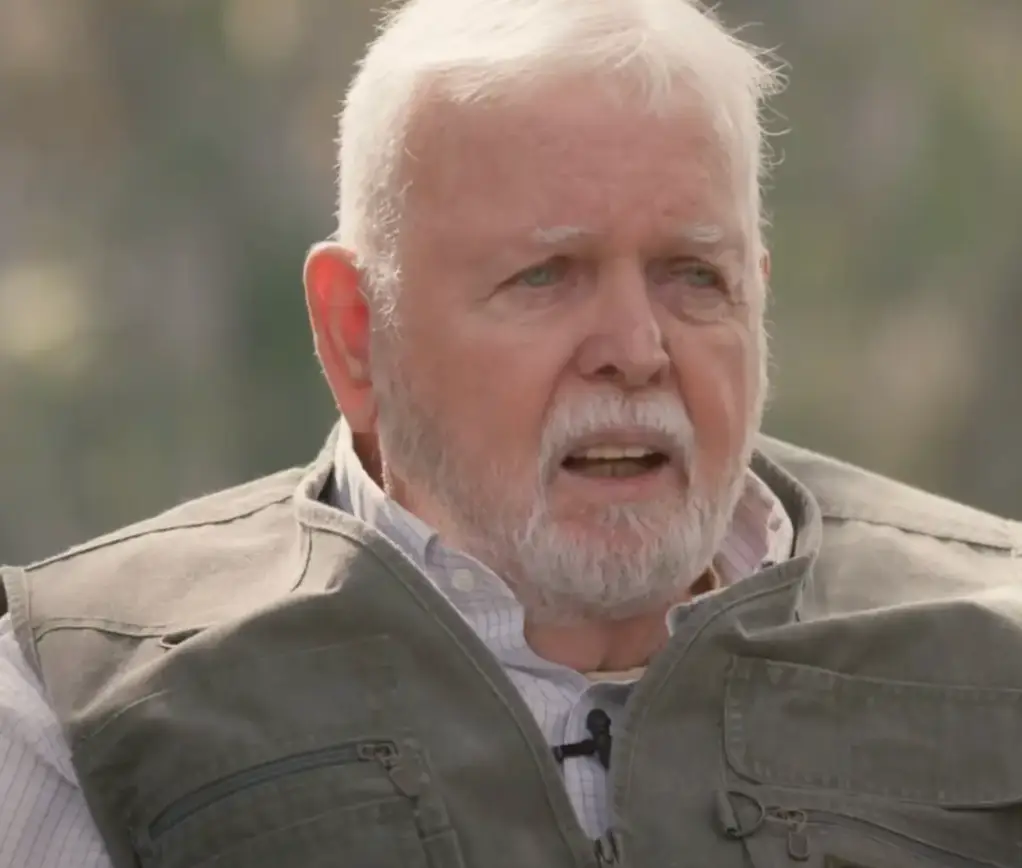
McAndrew left his role as a warden and death row executioner a year after the botched execution, having dealt with PTSD and finding himself in a 'dark place'.
Ultimately, he had become 'uncomfortable' with the morality of the situation.
“I was beginning to question why we were killing people that we already had in captivity," he told Death Penalty Info.
“I was feeling uncomfortable about taking the lives of people that were captured and, and were no longer a threat to anyone.”
McAndrew has attended therapy for the past 13 years and revealed that he still has flashbacks to the execution to this day.
In recent years, he's become an active campaigner against the death penalty.
Which states have the death penalty?
According to the Death Penalty Information Center, 27 US states have the death penalty, though it is not actively carried out in all of them.
- Alabama
- Arizona
- Arkansas
- California (executive hold on executions since 2019)
- Florida
- Georgia
- Idaho
- Indiana
- Kansas
- Kentucky
- Louisiana
- Mississippi
- Missouri
- Montana
- Nebraska
- Nevada
- North Carolina
- Ohio (executive hold on executions since 2020)
- Oklahoma
- Oregon (executive hold on executions since 2011)
- Pennsylvania (executive hold on executions since 2015)
- South Carolina
- South Dakota
- Tennessee
- Texas
- Utah
- Wyoming
Which states have abolished the death penalty?
- Alaska (1957)
- Colorado (2020)
- Connecticut (2012)
- Delaware (2016)
- Hawaii (1957)
- Illinois (2011)
- Iowa (1965)
- Maine (1887)
- Maryland (2013)
- Massachusetts (1984)
- Michigan (1847)
- Minnesota (1911)
- New Hampshire (2019)
- New Jersey (2007)
- New Mexico (2009)
- New York (2007)
- North Dakota (1973)
- Rhode Island (1984)
- Vermont (1972)
- Virginia (2021)
- Washington (2023)
- West Virginia (1965)
- Wisconsin (1853)
 Callum Jones